According to Reuters, since the start of US-Israeli hostilities against Iran on February 28, the British government's borrowing costs have risen more than in other European countries or the United States. At the same time, investors began to lose hope that the Bank of England would cut interest rates this year. This situation makes the UK particularly vulnerable to the risk of conflict-induced inflation increases.
The text continues below the video
War in the Middle East. Britain wants to be prepared for anything
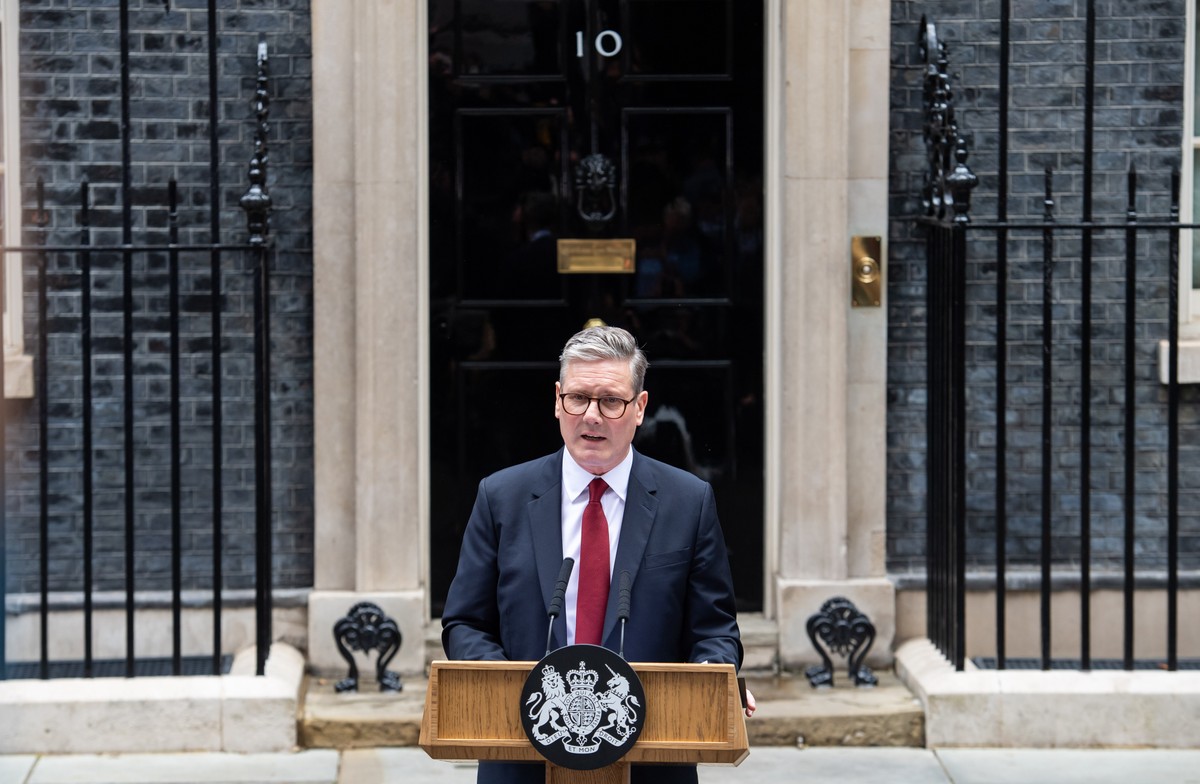
Starmer noted that his government is taking steps to prepare for the potential consequences of war. “Our task is to look forward, look to the future and cooperate with others,” said the Prime Minister, adding that London is in talks with international partners to develop joint actions to limit the negative impact of the conflict on British citizens.
The Prime Minister also drew attention to rising oil prices, which rose sharply on Monday. He warned that a prolonged conflict would have an increasing impact on the British economy. “The longer this goes on, the more likely it is to impact our economy.” – he explained.
Read also: Saudi Arabia limits oil production. Warehouses are filling up quickly
USA and Great Britain. “Special relations” put to the test
In response to speculations about the weakening of the “special relationship” between Great Britain and the United States, Starmer assured the durability of cooperation between the two countries. “It's really important to emphasize that the United States and the United Kingdom are working together every day, as they always have.” – he said. At the same time, he emphasized that decisions regarding British interests remain the responsibility of the British Prime Minister.
Starmer's statements appeared in the context of criticism from US President Donald Trump, who criticized London's cautious stance towards the war waged by the US and Israel against Iran. The conflict began on February 28, when the United States and Israel carried out airstrikes on Iran, resulting in the death of, among others, the country's supreme leader, Ali Khamenei. In response, Iran attacked Israel and several Persian Gulf states, hitting American military bases and civilian facilities.
Read also: The oil market is hot. We know what's next with fuel prices