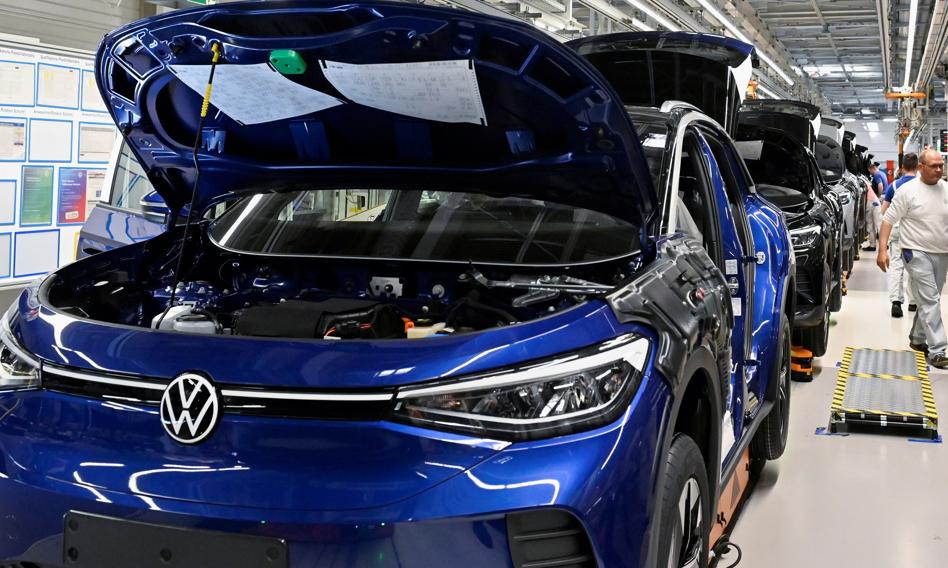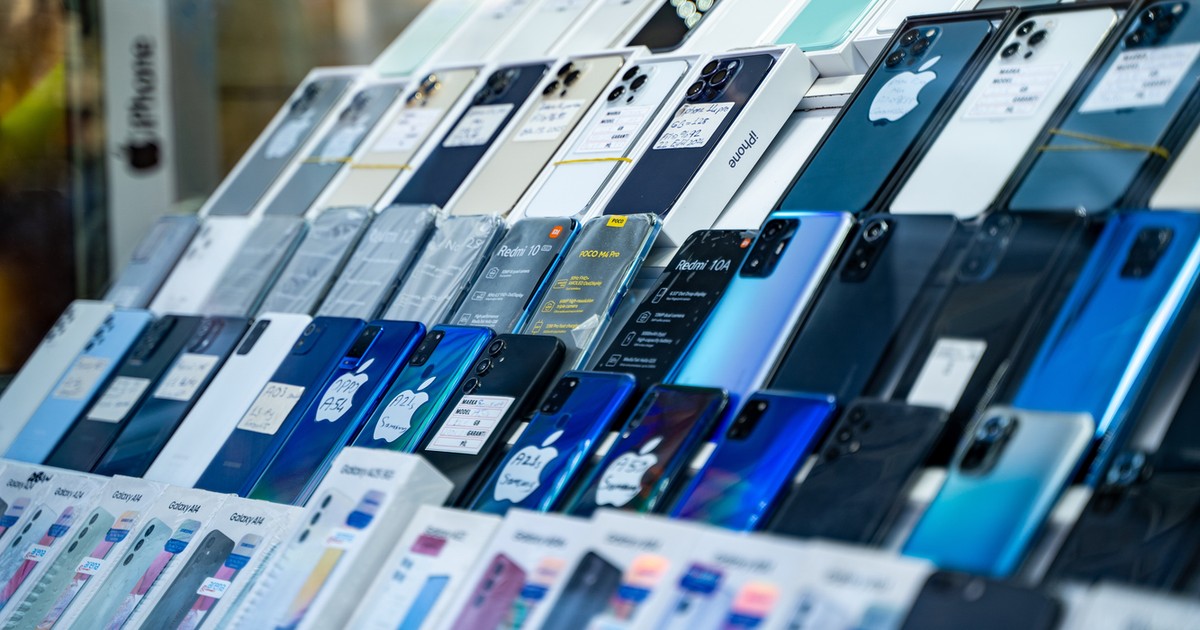
In its report, Gartner describes the largest contraction of the personal computer and smartphone market in over a decade. Analysts of this company predict that in terms of volume the PC market will shrink by 10.4% this year.and the smartphone market – by 8.4%. Reason? First of all, the explosion in memory prices. Gartner estimates that by the end of 2026, the total cost of DRAM and SSD is expected to increase by approximately 130%.which will increase the average prices of computers by 17 percent and smartphones by 13 percent. compared to last year. In such market conditions customers are more likely to postpone purchases, and manufacturers are slimming down their offerings in the lowest price ranges.
The key to understanding these announcements lies in the cost structure of electronics. The share of memory in the material costs of an average PC is expected to increase with 16 percent in 2025 to 23 percent in 2026 — a level that cuts off producers' ability to “absorb” increases in the cheapest configurations where margins are very low.
In this market segment there is not much that can be done in terms of cutting production costs. A certain hard limit is created here, among others, by the requirements of the operating system and software. For example, Microsoft Copilot+ PC certification is only possible for devices with at least 16 GB RAM. However, Windows 11, although according to Microsoft's official guidelines can theoretically be installed on a computer with 4 GB RAM and a 64 GB disk, in practice it would be almost unusable on it, so too large cuts in the specifications of budget computers may lead to the creation of devices that no one will want.
As a result the segment of laptops below USD 500, i.e. PLN 2,000-2,500, is becoming unprofitable and – as Gartner warns – will disappear by 2028 This will be particularly felt by, for example, parents and students, among whom the most budget portable computers are very popular.
IDC announces the end of budget smartphones as we know them
Cost pressure will also affect smartphones. Analysts at IDC are even more pessimistic than those at Gartner because they say that in terms of volume, it will shrink not by 8.4, but by as much as 12.9%.. Also here the budget devices segment is expected to suffer the most. As IDC's Nabil Papal says, the current memory crisis will trigger “a structural reorganization of the entire market, fundamentally changing the long-term TAM (Total Addressable Market), supplier landscape and product mix.”
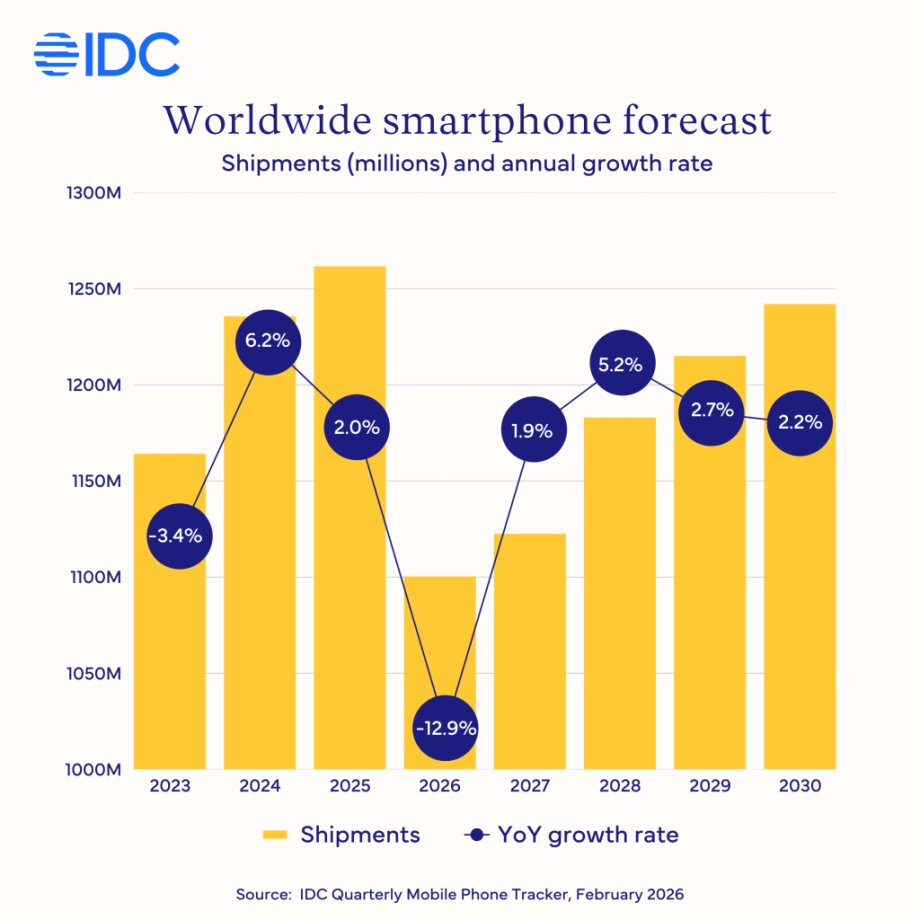
Forecast of changes in smartphone sales volume according to IDC.
He later adds: “Although memory prices are expected to stabilize by mid-2027, they are unlikely to return to previous levels, which will make segment under $100 (171 million devices) will be permanently unprofitable. In short, there is no return to normal for retailers and consumers.”
On the other hand, IDC announces that in the face of problems with the availability of the cheapest phones and drops in sales volume by as much as 14%. the average price of smartphones sold will increase, i.e the market will shift more and more towards premium equipment.
The biggest winners of this structural change are expected to be Samsung and Apple, because these companies are best prepared to wait out these difficult times and have the best access to key components. Apple seems to understand this opportunity well, as shown, among others, by the brand's new cheaper iPhone, iPhone 17e, which offers twice as much data memory for the same price as its predecessor, when all major Chinese smartphone manufacturers announce upcoming price increases or reduced memory in base models.
Read also: iPhones are breaking popularity records. Their sales surprised even Apple
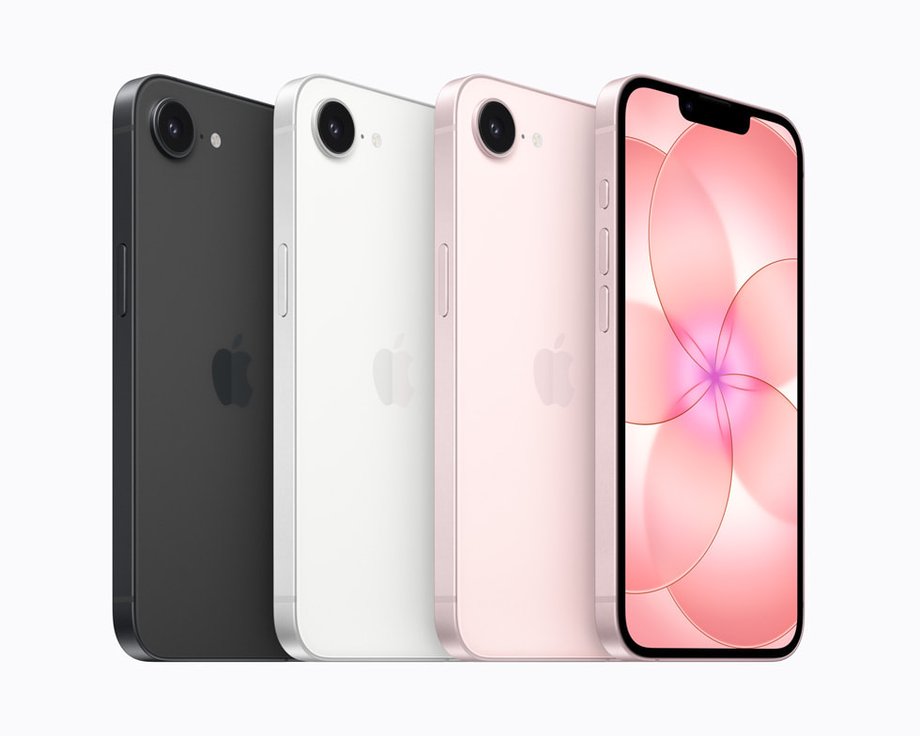
The price of the iPhone 17e shows that Apple will want to take advantage of the situation and further increase its share in the smartphone market.
In short, creators of large language models and other AI enthusiasts announced that AI would change our lives forever. And everything seems to indicate that they were right – although for now it is not doing it in the way we probably expected.