Spain stood up strongly to Trump. Economics professor: it's a good strategy

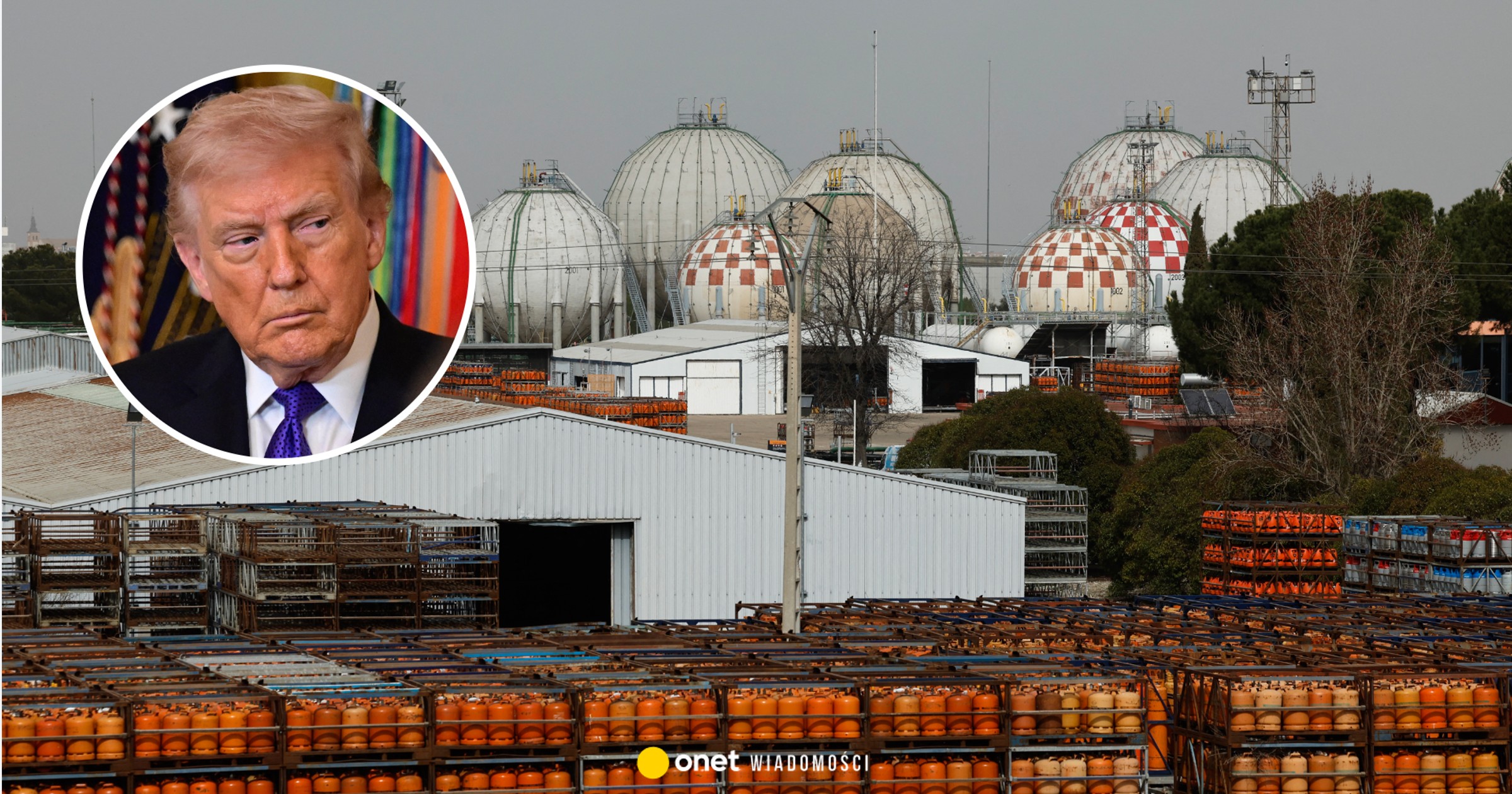
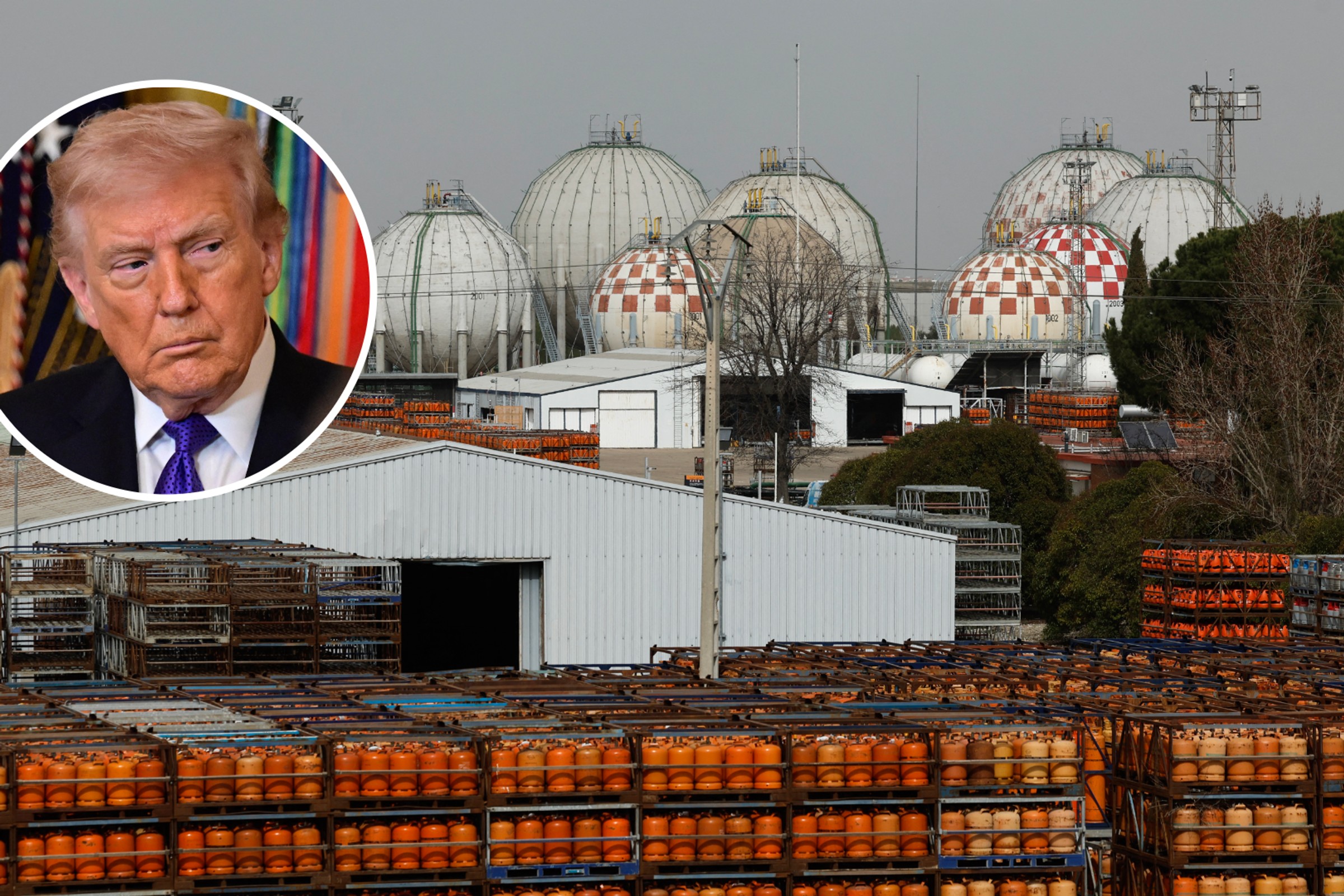
While the country's political class may be steadfast in its opposition to the United States and Israel's war in Iran, Spanish businesses and regional leaders are rushing to determine what Washington's response might look like.
It shouldn't be easy for the United States to cause Spain economic pain. The EU functions as a common market of 27 countries without barriers, a collective trading entity that cannot be divided or fragmented by individual retaliation.
However, Spanish companies prefer not to take risks, given how vulnerable their country would be to a trade embargo from the United States. The USA is the main supplier of fossil fuels to Spain. Over 15 percent Spain's oil imports last year came from the United States, which also supplied a record 44 percent. liquefied natural gas imported by this country only in January this year. Cutting off supplies of any of these raw materials would be disastrous in the face of rising energy prices caused by the Gulf War.
“We are talking about losses that could amount to up to EUR 1 billion”
Even though the United States accounts for less than five percent total Spanish exports, the suspension of trade relations would have a serious impact on regions such as the autonomous Basque Country, which is an important industrial player.
— About eight percent. of our exports go directly to the United States, says Ander Caballero, Secretary General for External Action of the Basque government, in an interview for POLITICO in Brussels. “We will need to see how any policy changes will be applied, but anything that affects the energy or automotive sectors, or involves machine tools, steel and aluminum will be a cause for concern,” he adds.
Caballero notes that products produced in the region are also part of larger value chains involving large German, French and British companies. – Even though the United States is only our fourth largest trading partner, we can still talk about losses that may amount to up to EUR 1 billion (PLN 4,268 million) – says the politician.
Basque Country President Imanol Pradales convened this week an emergency meeting of the regional Industrial Defense Group, which includes representatives from the government, chambers of commerce and key sector and business leaders, to coordinate emergency actions in response to the trade turmoil resulting from the conflict in the Middle East.
The rapid response group was created a year ago and is tasked with mitigating the regional impacts of Trump's tariff policies, which Pradales describes as “a challenge the likes of which we haven't seen in decades.” The group held its fourth extraordinary meeting this week.
— The Basque Country has no influence on the global geopolitical situation, but we can react quickly to protect our industry. The time it takes us to respond will determine the scale of the impact, Pradales says.
Washington's arsenal of economic weapons
The rush to prepare for the worst underscores Spaniards' fears of the White House's arsenal of economic weapons. By far the most popular of these weapons has been trade tariffs. But Trump also used sanctions to deny his opponents the ability to use U.S. credit cards and cut off countries like Iran from the world's reserve currency.
Bessent also has no objection to using the US dollar as a weapon. Earlier this year, he told POLITICO that sanctions and restrictions on access to the dollar allowed Washington to influence other countries' policies “without the use of weapons.”
This is particularly worrying for banks such as Spain's largest lender Santanderwhich last month agreed to take over the American Webster Financial Corporation. Transaction worth USD 12 billion 200 million. (over PLN 52 billion) may catapult Santander into the top ten American retail and commercial lenders. The breakdown in trade relations between Madrid and Washington could make it more difficult to obtain necessary regulatory approvals.
Santander CEO Ana Botin sought to reassure shareholders on Wednesday, emphasizing that it was crucial to “look to the medium term.” While she acknowledged that the current situation was “extraordinary,” she downplayed the conflict, saying: “trade continues and is very strong.”
“Spain and the United States have had excellent relations for centuries,” Botin said in an interview with Bloomberg TV, referring to the financial support provided by the Spanish crown to George Washington during the American Revolutionary War, the 250th anniversary of which falls this year. “The long-term relationship is strong,” she added.
Will Donald Trump chicken out again?
Of course, it is entirely possible that Trump's threat to cut ties with Spain will never come to fruition. Conventional wisdom holds that whenever the risk of economic self-harm outweighs political rhetoric, “Trump Always the Coward” — or TACO (Trump Always Chickens Out).
This week Sanchez stressed that regardless of Trump's threats, Spain will continue to oppose the war in Iran. Jose Manuel Corrales, professor of economics and international relations at the European University of Madrid, says the Spanish prime minister's stance is reasonable because the US president tends to back down when countries respond with an unyielding stance.
“It's worked for Canada and Mexico and, of course, China,” he says. — Politically, this definitely works for the Spanish government, which is currently being praised for standing up to Trump and firmly saying no to this war.
Regardless of whether Washington cuts trade relations with Madrid, Spain's economy is already feeling the effects of instability caused by the US attack on Iran. Corrales notes that Spain's dynamically developing economy – which grew by 2.8% in 2025 and according to forecasts this year it will increase by over two percent. — may be weakened by rising inflation if the war continues for a long time.
“The truth is that we may be facing a crisis with serious consequences,” he predicts. — The war (in Iran) will already have an impact on the American economy, but the Trump administration will sooner or later have to pay for the damage it has caused to the global economy, he concludes.