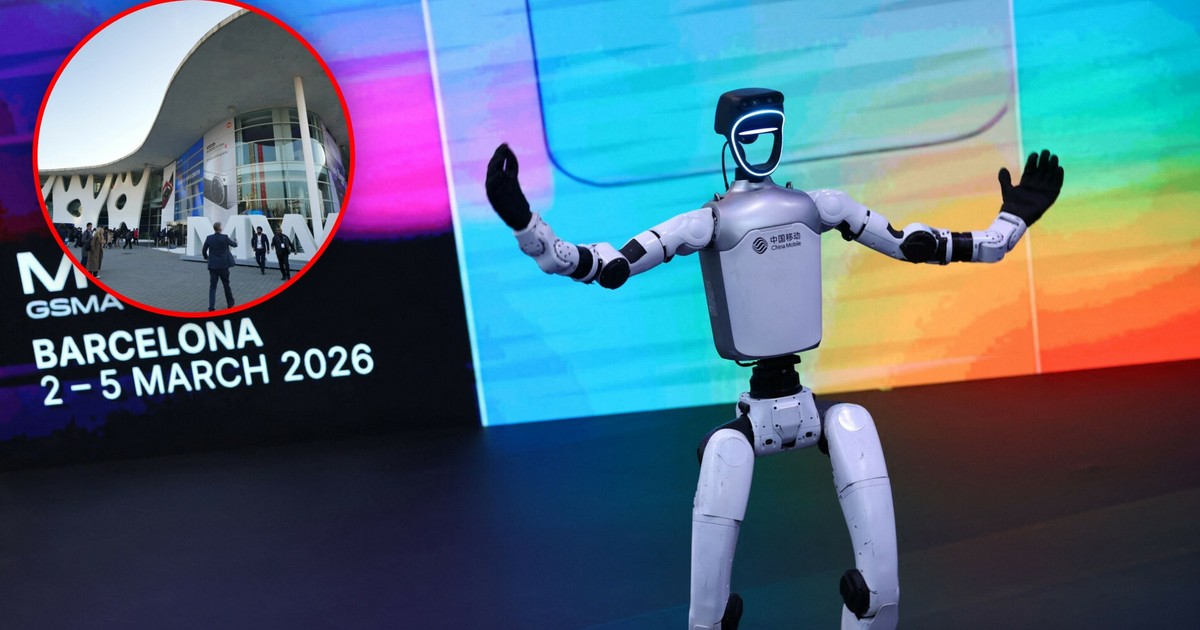
MWC has long been a place where Europe, the largest consumer market in Europe, was the arena of clash between technology giants from the United States and Chinese manufacturers of devices and infrastructure competing on the market.
The rest of the article below the video:
This year, Europe has become strongly involved in the competition that has been going on for years. Specifically, European telecommunications providers who do not want to be sidekicks during the technological revolution. Deloitte, McKinsey and analysts during MWC pointed out that telecoms are trying to break away from the role of hard infrastructure provider and join the race for AI sovereignty.
At stake is who controls AI platforms and monetizes traffic, and telecoms aspire to build their own edge/AI platforms. Thus, they enter the field of play in which big tech offers a global scale and AI tools.
For this purpose, they want to cooperate, for example, with the American Nvidia, with which the German T-Mobile will create an industrial AI cloud. And in a broader agreement, among others: with Ericsson, Cisco and Nokia, both companies are also expected to create artificial intelligence-based 6G technology. This is supposed to be a response to the expansion of big tech that wants to keep the highest margins for itself.
European operators emphasize that without more flexible merger policies and stronger investment incentives, it will be difficult to finance the next wave of infrastructure – which TeckNexus described as “a conflict between the dogma of competition and the need for scale.”
In the background of this competition, there is also a fierce fight for the final shape of EU regulations – which may favor one or the other side in the era of the fight for the digital sovereignty of the Old Continent.
2. China makes its presence felt
It is already a tradition of the MWC that the fair has become a showcase for Chinese tycoons. While for Samsung it is a complementary event, because it presented its flagship Galaxy S26 a week before the fair, and Apple in practice avoids the event in Barcelona, for companies such as Xiaomi, Huawei or Honor, MWC is one of the key events of the year.
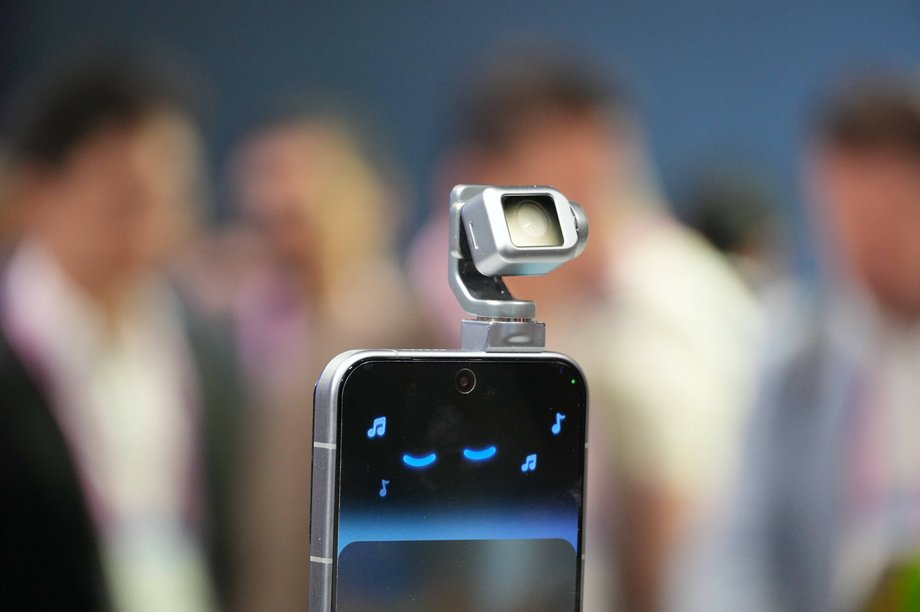
Robot phone at the Honor stand during the fair
|
IMAGO/NOUSHAD/Imago Stock and People/East News / East News
This year, Samsung focused on presenting a coherent ecosystem of its devices, including phones, laptops, watches, tablets and headphones.
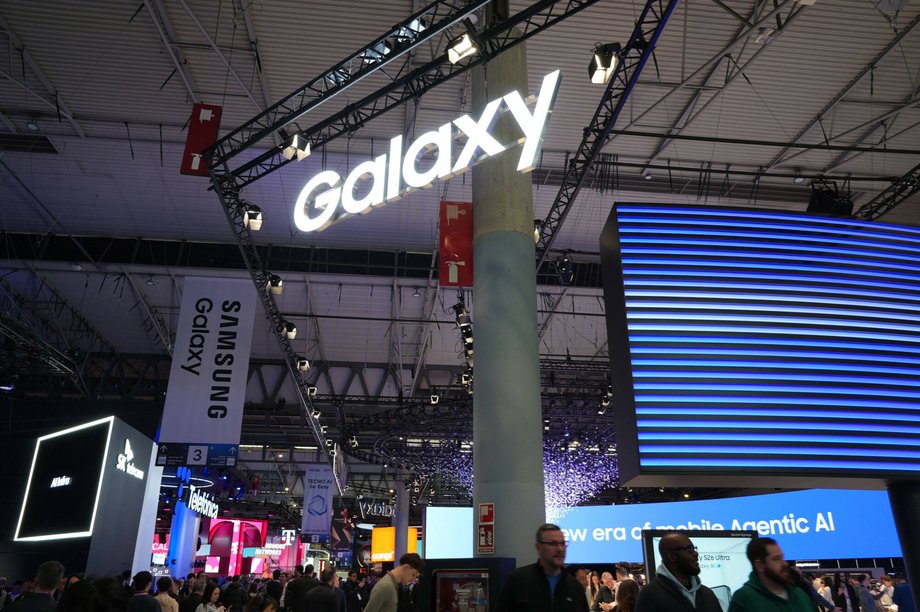
Samsung stand
|
IMAGO/NOUSHAD/Imago Stock and People/East News / East News
Chinese companies wanted to stand out again with unusual solutions. Honor attracted attention with its “Robot Phone” device – a phone with a retractable, movable “handle” that can, for example, position the device for a selfie or gesture during calls. In addition to re-presenting its electric car concept, Xiaomi also presented the premiere of its flagship in Barcelona 17 Ultra.
At the fair, attention was drawn not only to smartphones, but also to laptops. Lenovo came to the capital of Catalonia with experimental solutions. It presented, among others: a foldable gaming Legion Go Fold, a 3D laptop without glasses, and a modular AI laptop whose components can be replaced.
Huawei also marked its presence, whose infrastructure is targeted by EU regulations requiring telecoms to replace a significant part of their equipment. The Chinese tycoon – as he himself informed – presented at his stand over 100 demonstrations of AI applications in industry and 22 industry solutions – from smart offices and hotels to network security.
3. The fight for integration
However, it was not the devices that determined the discussions at this year's 20th MWC in Barcelona. Although we are used to the idea that technology fairs involve bidding for faster, more spectacular and more powerful devices, this time the event in Barcelona looked different. This was evidenced by the very slogan of this year's event, i.e “The IQ Era” — the transition from connectivity to intelligent, autonomous networks, services and models.
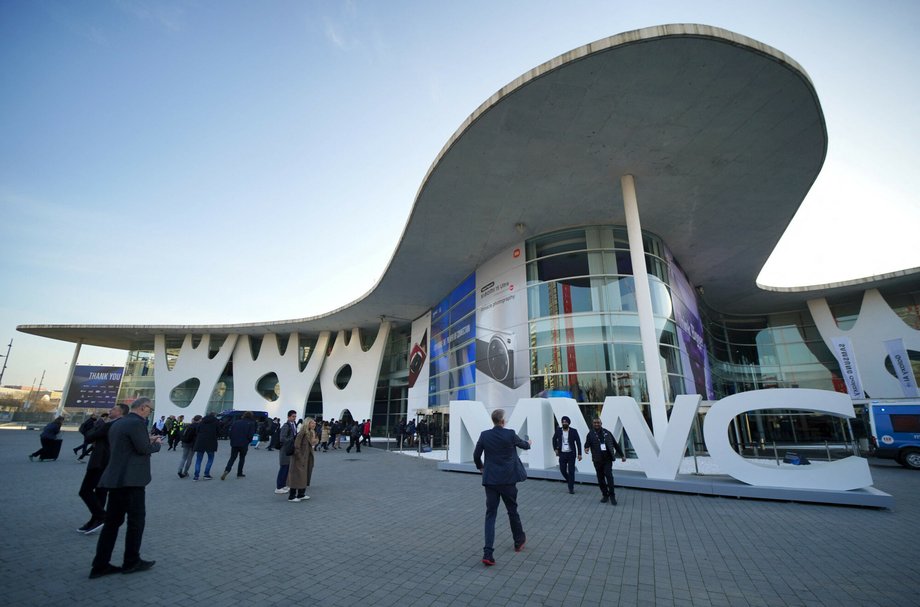
Entry to MWC 2026
|
JOSEP LAGO/AFP/East News / East News
And it looked similar during the fair itself. The advantages of individual “ecosystems and concepts” and broadly understood digital sovereignty in the era of interpenetrating solutions were much more important than the individual devices themselves.
From Barcelona, Grzegorz Kowalczyk, journalist of Business Insider Polska