The Pentagon is sounding the alarm. New spending on the F-35 in the face of the threat from Iran

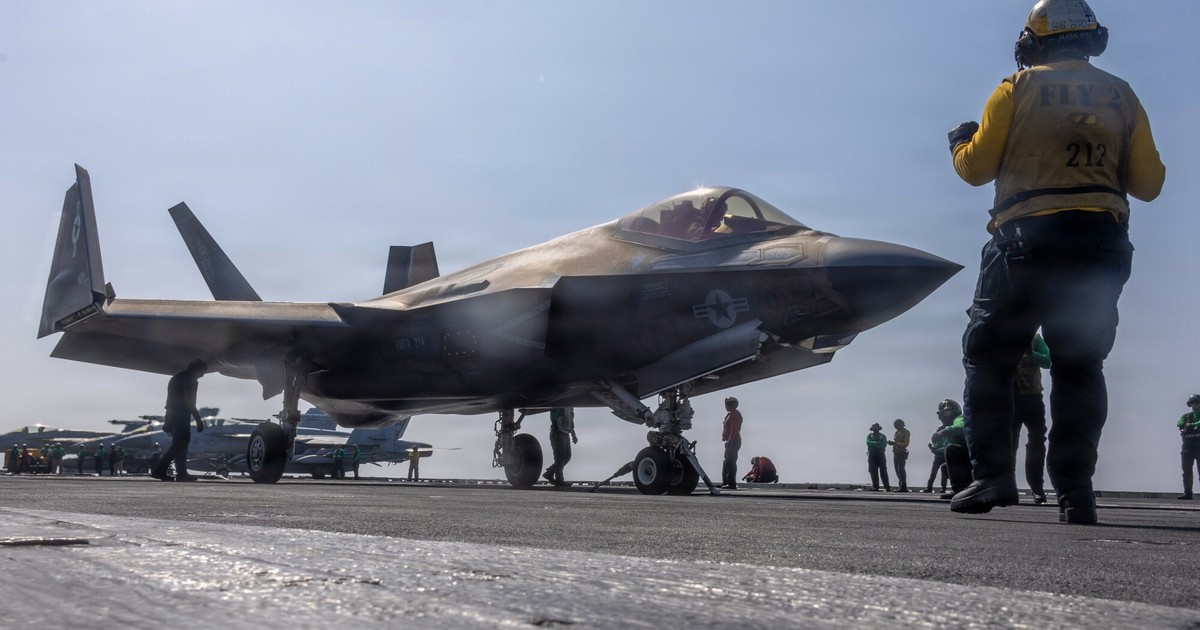
The Pentagon needs an additional $12 billion. by 2031 to improve the F-35's declining combat readiness rates. US Marine Corps F-35C fighters continue missions over Iran from the aircraft carrier USS Abraham Lincoln.
Continued below the video:
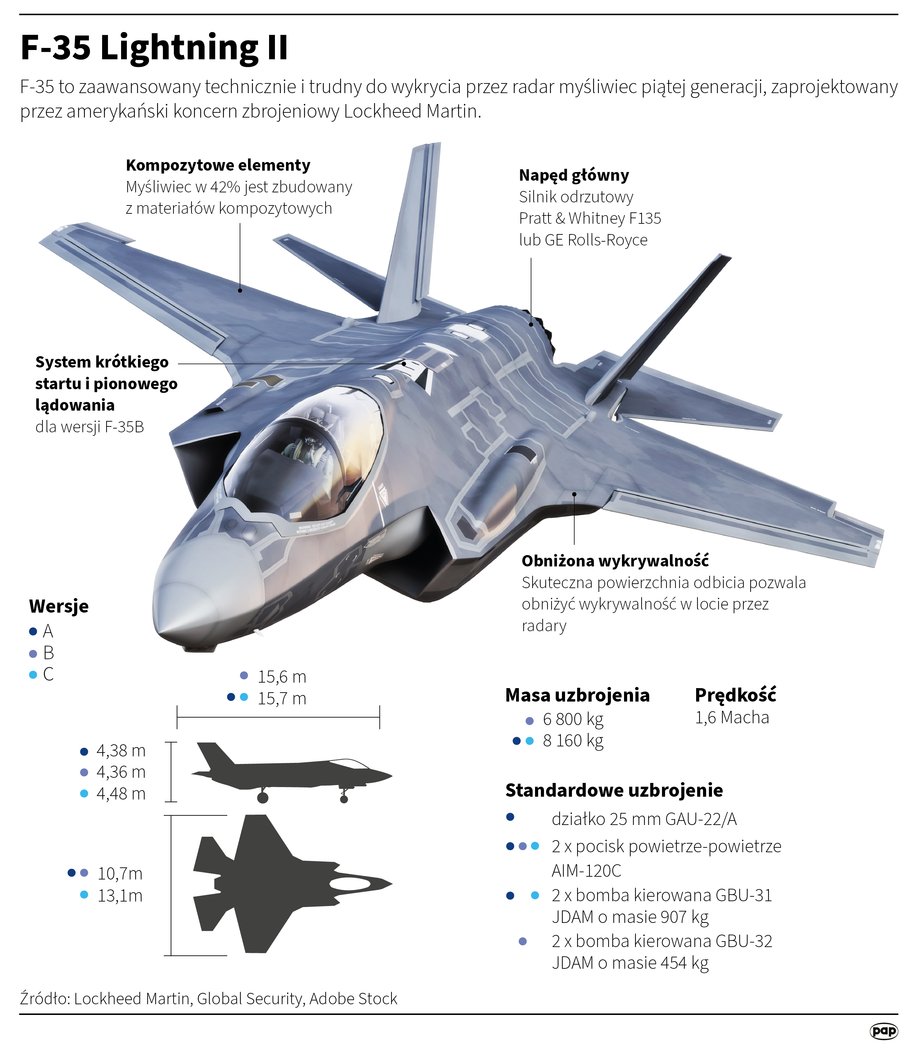
|
pap/ Maciej Zieliński, Adam Ziemienowicz / PAP/photos
The additional funding — mostly for spare parts — would increase the cost of maintaining a planned fleet of 2,470 Air Force, Navy and Marine Corps aircraft over decades of service.
The news comes as U.S. Marine Corps F-35C fighters continue missions over Iran from the aircraft carrier USS Abraham Lincoln.
Continued below the video:
The new data raises questions about the level of effort required to keep these planes in the air and the impact of maintaining them on the remaining fleet. F-35C fighters currently flying in the Middle East likely use parts from other regions, according to a U.S. Government Accountability Office (GAO) official.
See also: The Netherlands is considering a “jailbreak” of F-35 fighters
The F-35's combat capability is declining
Concerns about the program are not new. Last year, the Marine Corps' overall F-35C F-35C “mission capable” rating – a measure of which planes are considered safe and ready to fly a single mission – dropped to 64.2 percent. with 66 percent in 2024, according to new data provided to the GAO, writes Bloomberg.
The difference is even greater when it comes to achieving “full mission capability rates” – the percentage of time that aircraft are fully capable of completing all assigned missions. The Marine Corps' Model C rate was 22 percent. , compared to almost 30 percent achieved in fiscal year 2022. The program's goal is to achieve 75 percent.
See also: Polish F-35s are going to be painted. Here are the latest photos
F-35 for Poland
As reported by the Ministry of National Defense at the beginning of February, two more multi-role aircraft F-35A Hussar prepared for Poland are already in the final stage of production. The machines were ready for painting.
These are aircraft numbers 3509 and 3510, which are to be shipped directly to Poland after production. F-35 aircraft numbers 3501 to 3508 will remain overseas until the third quarter of 2027 – they will be used, among others, for: train our pilots.
The F-35 is an ace in the hole of the US army in the clash with Iran
Offensive systems used by the Israeli and US armed forces – both in terms of combat platforms (fighter and multi-role aircraft: F-22, F-35, F-15 and F-16 and B-2 bombers), as well as the weapons used (satellite-guided bombs and missiles, Tomahawk-type cruise missiles launched from surface ships and submarines) are one or two generations ahead of Iran's weapons.
This allows it to operate in Iranian airspace virtually without disruption, especially since a significant part of these assets (especially F-22 and F-35 aircraft, which are fifth-generation machines) remain invisible to Iranian radars and other reconnaissance systems.
Source: Bloomberg, PAP