The spectacular rise of artificial intelligence is experiencing an “electric shock” in the US

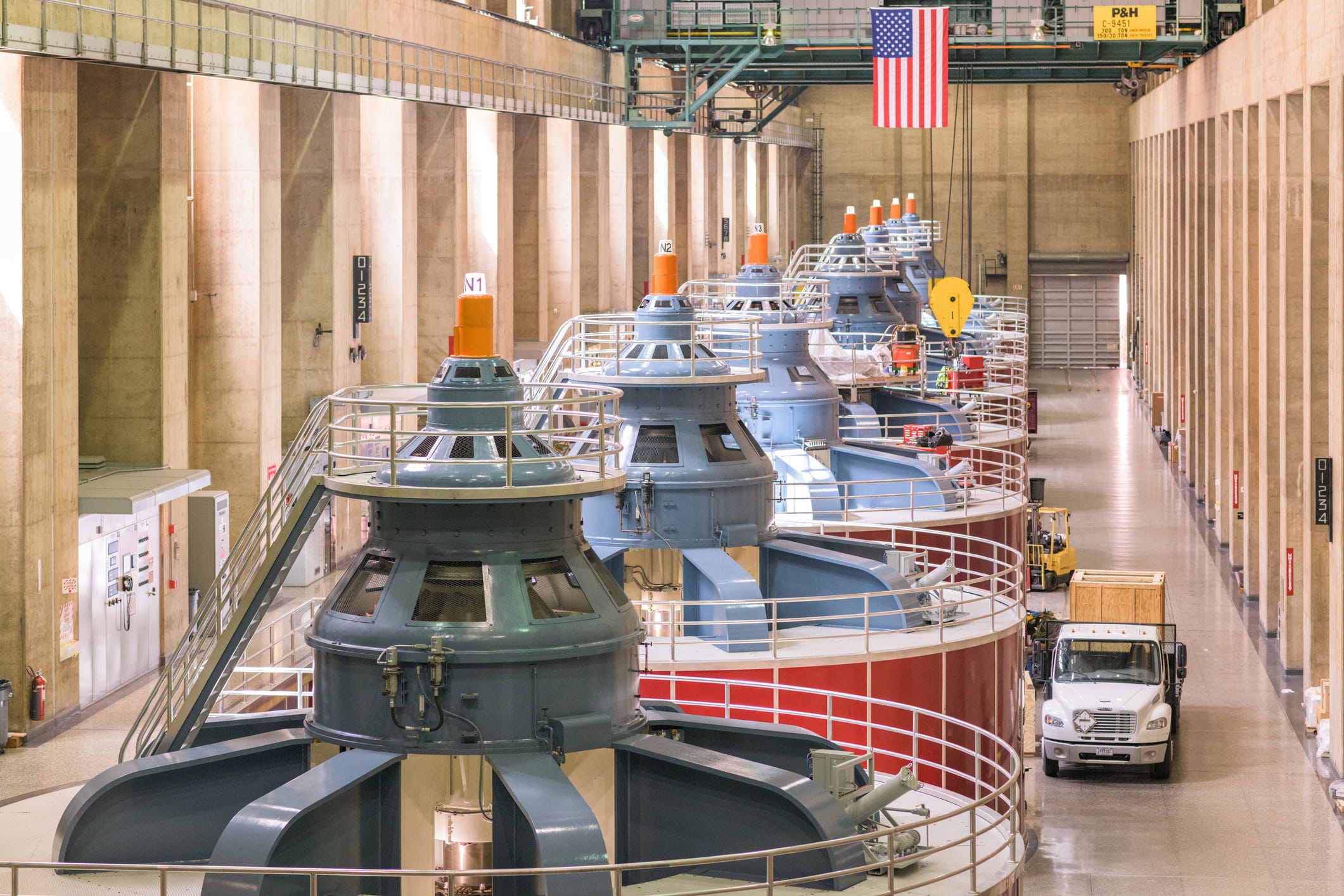
The race by big US tech companies to develop and dominate the global artificial intelligence sector may soon hit a serious roadblock as US power grids struggle to keep up with big-spending tech giants, Reuters reports in an analysis.
America's tech giants, including Nvidia, Microsoft, Amazon, Alphabet and Meta, have in recent months announced plans to spend more than $600 billion on AI in 2026 alone. The investment wave has already raised concerns among some investors about the profitability of this strategy.
Reuters notes that investors do have reason to be concerned, as ambitious plans to expand AI in the US are likely to be hampered by severe energy infrastructure bottlenecks, including turbine shortages, slow grid expansion and regulatory red tape.
Data centers used to train and deploy AI models require huge amounts of power for processing and cooling. The largest facilities in the US consume over one gigawatt (GW) of continuous load, enough to power up to 850,000 homes.
The rapid planned expansion of these energy-consuming facilities, often located in isolated areas, will frequently require the construction of independent power plants powered by natural gas, renewable sources or nuclear technologies.
The US president has told tech giants to build their own power plants
Energy consultancy Cleanview has already identified 46 data centers that plan to build their own, mostly gas-fired, power plants. Their combined capacity of 56 GW represents about 30 percent of all planned U.S. data center capacity, the firm said.
And soon, the development of independent energy systems may no longer be an option, but a requirement.
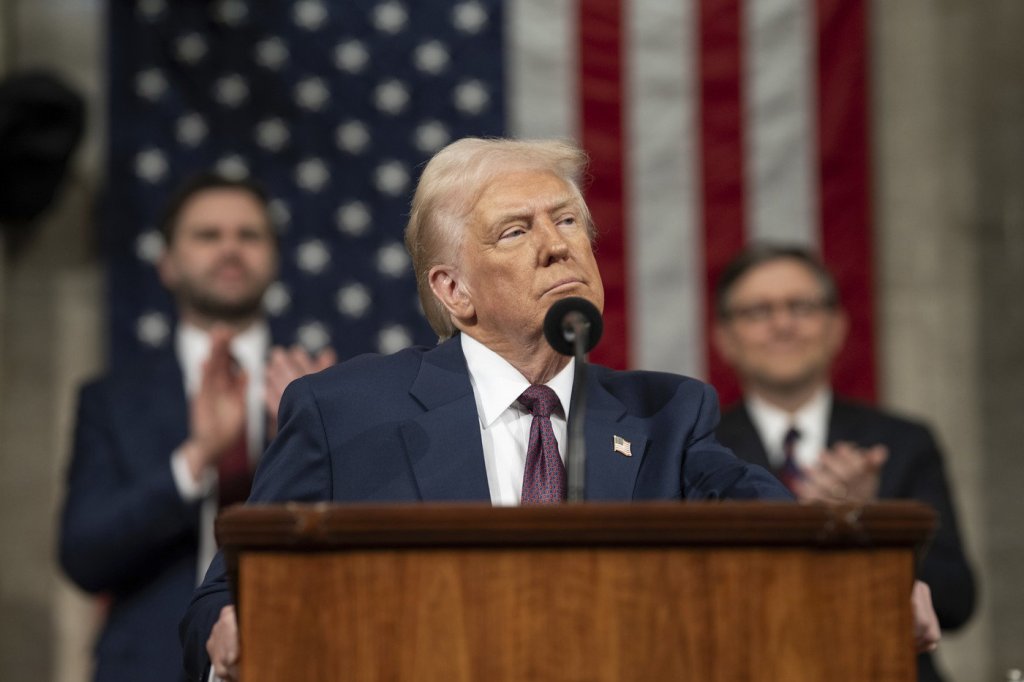
In his State of the Union address on Tuesday night, President Donald Trump, a strong supporter of AI development in the US, said technology firms “have an obligation to provide for their own energy needs”.
“They can build their own power plants as part of their factory so prices don't go up for anybody,” the White House leader said.
But the pressure is already mounting. In 2025, annual US electricity consumption reached an all-time high for the second consecutive year, reaching 4,195 terawatt-hours. Electricity prices nationally also rose by an average of 7% in the 12 months to January, according to government data.
Analysts forecast that electricity demand will continue to grow by nearly 2 percent a year on average between 2025 and 2030, more than twice the rate of the past decade, driven largely by the expansion of data centers, according to the International Energy Agency. This will put additional pressure on the networks.
And that pressure could be felt soon.
The huge energy consumption of data centers is causing new concerns
PJM Interconnection, the largest US power grid operator, which manages about 180 GW of power flows across 13 US states, warned earlier this month of possible supply shortfalls of up to 60 GW in the coming decades due to accelerating growth in data center demand.
The company also warned that the US grid could run out of capacity and sufficient reserves no later than 2027, increasing the risk of blackouts.
The grid operator unveiled plans last month that would force big power users, mainly data centers, to either develop their own power sources or accept connection under a framework that allows PJM to reduce their power supply.
One of the country's other major power grids, the Electric Reliability Council of Texas, is also at risk of being overwhelmed by the explosive growth in data center demand.
ERCOT said in December that high-consumption projects totaling 226 GW, mainly data centers, were requesting grid connection. Their consumption is about three times the current total capacity of US data centers. Many of the applications are for projects exceeding 1 GW.
A global problem that doesn't just affect the big players in AI
On top of all that, data centers will likely have trouble procuring the gas turbines needed to power many of them.
Gas turbine makers including GE Vernova, Siemens Energy and Mitsubishi Power have warned they cannot cope with explosive growth in global demand, particularly from the power generation sector. Siemens Energy and GE Vernova executives said their order books are full for years, with delivery dates for the large turbines stretched to the end of this decade.
Their comments come as the US is not the only country facing difficulties due to electricity consumption and aging grids. Globally, investment in electricity grids has lagged behind new installed generation capacity.
The International Energy Agency (IEA) showed in a recent report that globally more than 2,500 GW of projects – including renewables, battery storage and high-consumption developments such as data centers – remain stuck on grid connection waiting lists. Around a fifth of data center expansion projects worldwide experience delays due to this.
The IEA said that to meet global electricity demand by 2030, annual investment in grids would need to increase by 50% from the current level of $400 billion, along with a significant expansion of grid-related supply chains.
Reuters notes that the rush to build data centers to support the global AI “arms” race is poised to become a defining economic feature of this decade, if not this century.
However, meeting the necessary power demand will likely prove difficult, meaning that future AI could be held back by the very real limitations of today's physical world.
Article PHOTO: Sean Pavone / Dreamstime.com.