Macron and Sanchez are going to clash with Trump. “We are in the same boat”

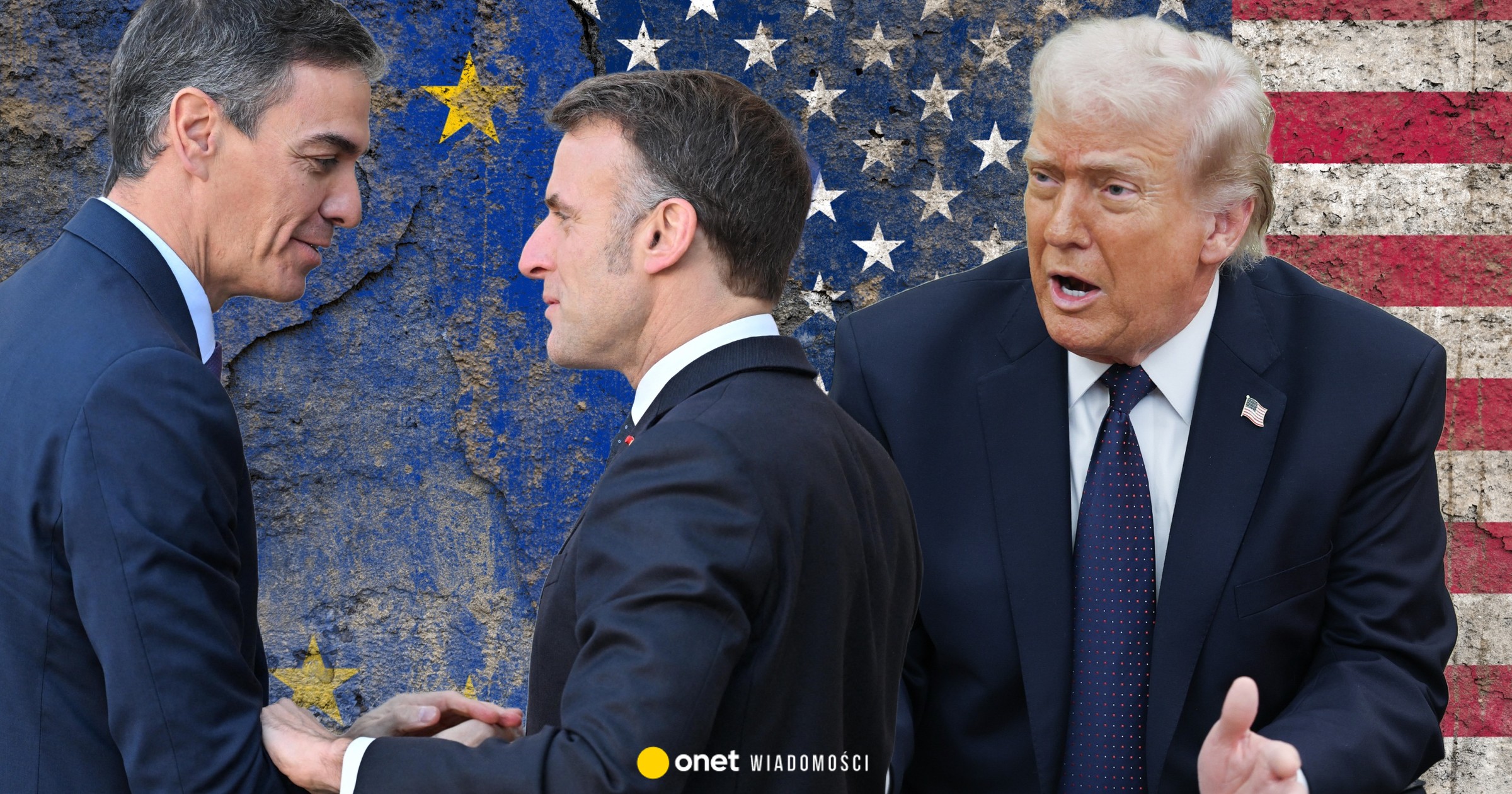
Spanish Prime Minister Pedro Sanchez is no longer the only European Union leader to openly confront US President Donald Trump over the Iran war. French President Emmanuel Macron is also increasingly on his side.
On Wednesday, March 4, Macron called Sanchez to express his support and emphasize that all 27 European Union countries should unite and jointly respond to possible actions by Washington if Trump actually carries out his trade threat.
The President held a telephone conversation with Prime Minister Sanchez to express France's European solidarity against the recent threats of economic pressure against Spain yesterday
– said one of the French president's associates after the conversation.
On Sunday evening, after the attack on Iran, Macron signed a joint declaration with Germany and Great Britain – the so-called group E3. They declared their willingness to “work with the United States and allies” to “take steps to defend our interests and the interests of our partners in the region, including, if necessary, enabling necessary and proportionate defensive actions that destroy Iran's ability to launch missiles and drones at source.”
The three's reluctance to openly condemn the US attack on Tehran stood in stark contrast to Sanchez's harsh stance. The Spanish prime minister called the US actions a “violation of international law” and an “unjustified and dangerous military intervention.”
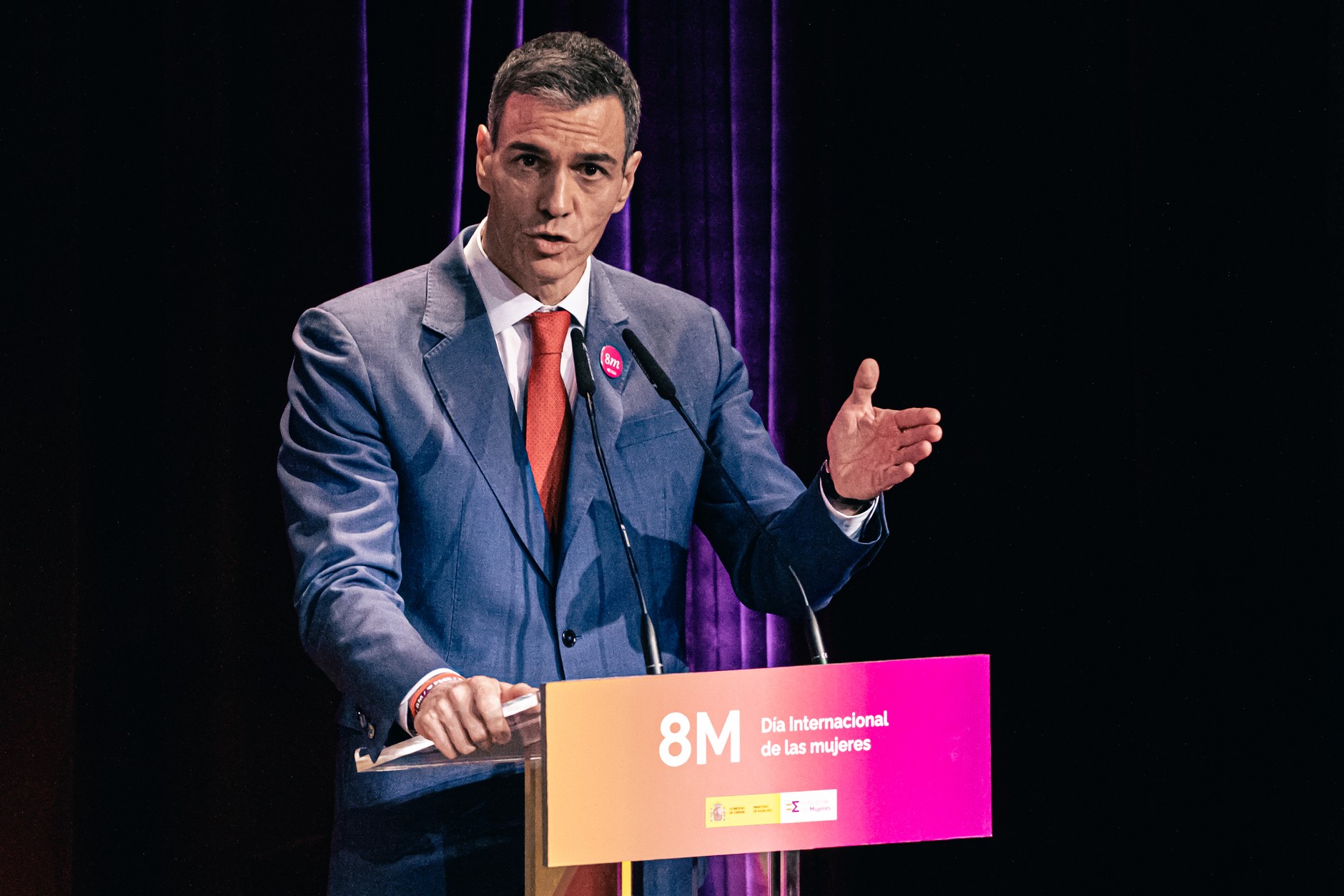
Spanish Prime Minister Pedro Sanchez, Madrid, March 4, 2026.Europa Press News / Contributor / Getty Images
On Tuesday evening, however, Macron clearly moved closer to Sanchez's position. In a televised speech, he almost directly criticized the American strikes on Iran.
“These actions were carried out outside the framework of international law, and we cannot accept this,” he said.
“We are in the same boat”
The toughening of France's position on the legality of the war was also confirmed by Wednesday's conversation between Paris and Madrid. A person close to the French president emphasized that Macron is convinced that “Europe must be united and respond with one voice whenever one of its members is attacked – also in the sphere of trade.
You could say that we are in the same boat
– added the same person from Macron's entourage.
Macron's relationship with Trump has long been complicated. Periods of demonstrative friendship are interspersed with sharp criticism and public polemics with the American president. In recent months, however, the French leader has taken a much more decisive stance.
In January, France called on the European Union to use the so-called instrument of countering economic coercion – commonly referred to as the “trade bazooka” – against Washington at the height of trade tensions. In turn, during the World Economic Forum in Davos, Macron told the audience directly that he did not like “political bullies”, which was quite a clear allusion to Trump's trade threats.
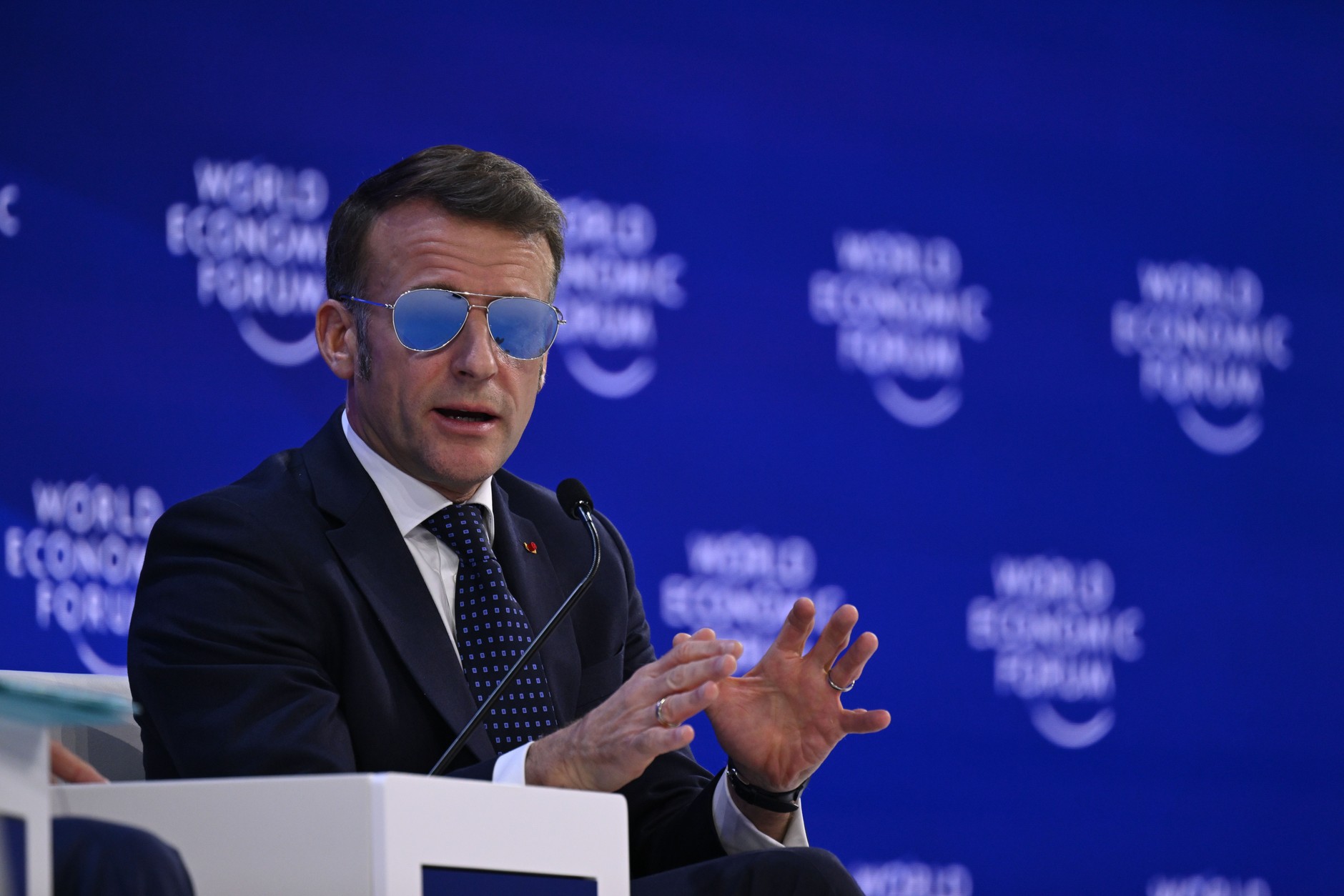
French President Emmanuel Macron at the World Economic Forum in Davos, January 20, 2026.Harun Ozalp/Anadolu via Getty Images / Contributor / Getty Images
Problems in the country
The growing conflict in the Middle East is a convenient distraction for Sanchez and Macron from problems in domestic politics. At the same time, it allows them to score political points by taking a strong stance against the president of the United States.
According to a recent survey conducted by the state-run Center for Sociological Research, as many as three-quarters of Spaniards say they have a “very bad opinion” of Trump, and eight out of ten respondents consider him a threat to world peace.
Also in France, global political tensions are giving Macron a new political “second life”, although he is already approaching the end of his term and in practice is president with no chance of re-election. A clash with Trump costs him little politically, and polls even show an increase in support after this year's international trade and security disputes.
Iraq's shadow over Iran
Countering the power of the United States is relatively easy for Macron because he can appeal to the Gaullist tradition of French politics — that is, the desire for strategic independence from Washington. French opposition to attacks on Iran also brings back memories of Paris's staunch opposition to the US invasion of Iraq.
Former Prime Minister Dominique de Villepin – who as foreign minister made a famous speech opposing the Iraq War – has now warned on X that a war in Iran could end similarly: years of civil war after the fall of the dictator.
During Wednesday's speech, Sanchez emphasized that Madrid's opposition to the war in Iran results directly from the “fundamental principles on which the European Union was built.”