Article by Sergiu Alexandru – Published on Thursday, 05 March 2026, 14:01 / Updated on Thursday, 05 March 2026 14:02
The first race of the new Formula 1 season takes place on Sunday, March 8. The year 2026 promises to be a spectacular one in the Grand Circuit, after the FIA made several rule changes.
- The Formula One Australian Grand Prix takes place on Sunday 8 March from 06:00. It will be liveTEXT on GSP.ro and live on Antena 1.
- The first two practice sessions take place on Friday, and on Saturday the third session, plus the qualifications, scheduled at 07:00.
The wait is over! The first of the 24 races scheduled this season takes place on Sunday. From March 8th to December 6th, Formula 1 fans will be treated to a real spectacle, especially as the rule changes could balance the values and reduce the differences between the teams.
In the 2026 season, Formula 1 will have 11 teams, after Cadillac was given the go-ahead to compete in the Grand Prix. The American team chose two experienced drivers, Valtteri Bottas and Sergio Perez. Another novelty is the arrival of Audi in Formula 1. It is not about a new team, but about the transformation of Sauber into Audi.
What are the teams and drivers of the 2026 F1 season
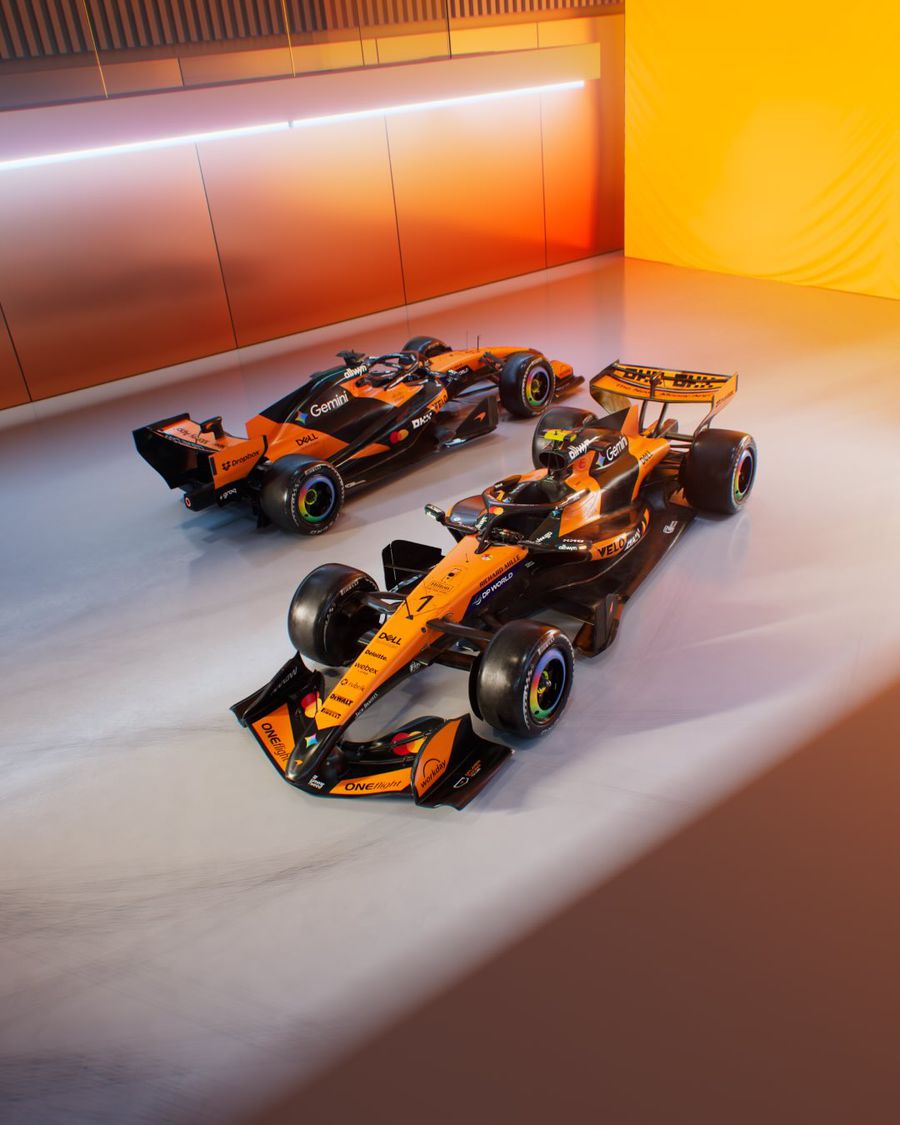
McLaren
-
Lando Norris – 26, Great Britain, 152 races, 11 wins, one world title
-
Oscar Piastri – 24 years old, Australia, 70 races, 9 wins
Mercedes
-
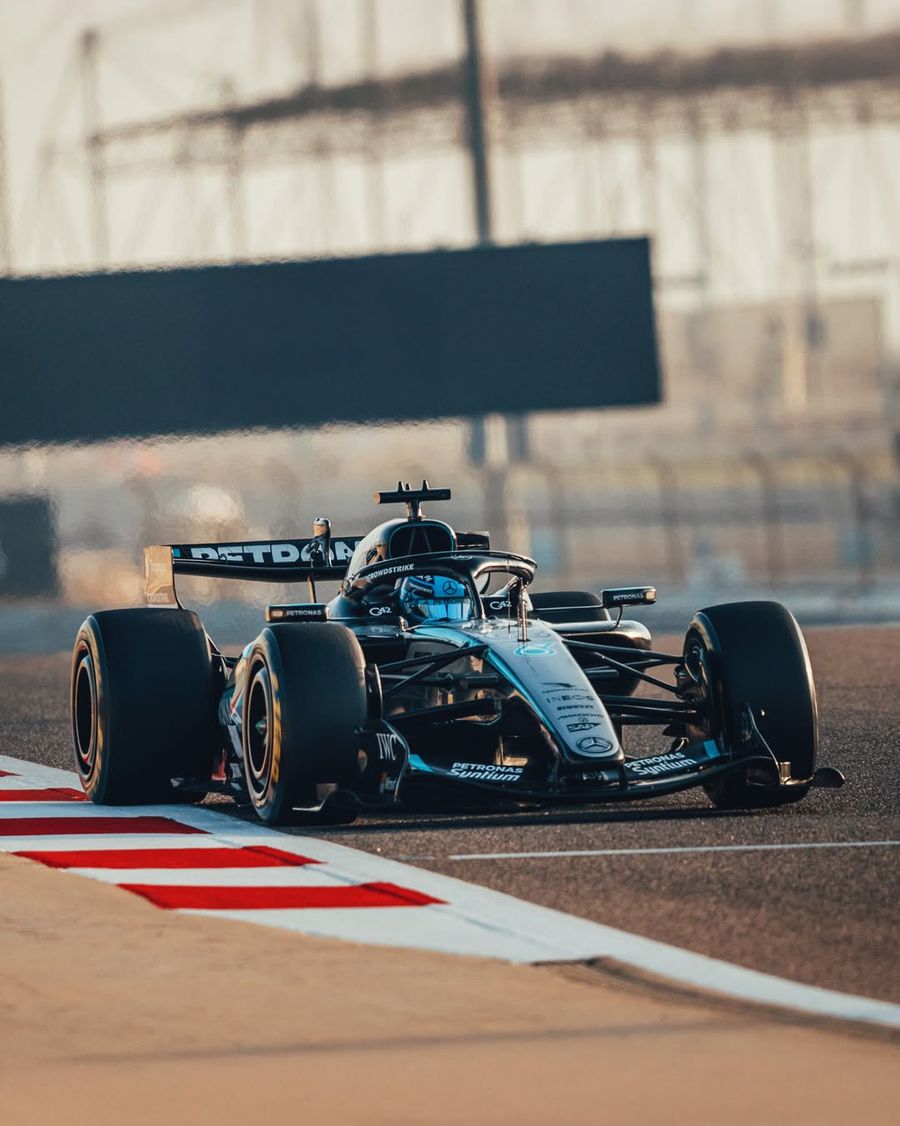
George Russell – 28, Great Britain, 152 races, 5 wins
-
Kimi Antonelli – 19 years old, Italy, 24 races, 0 wins
Red Bull
-
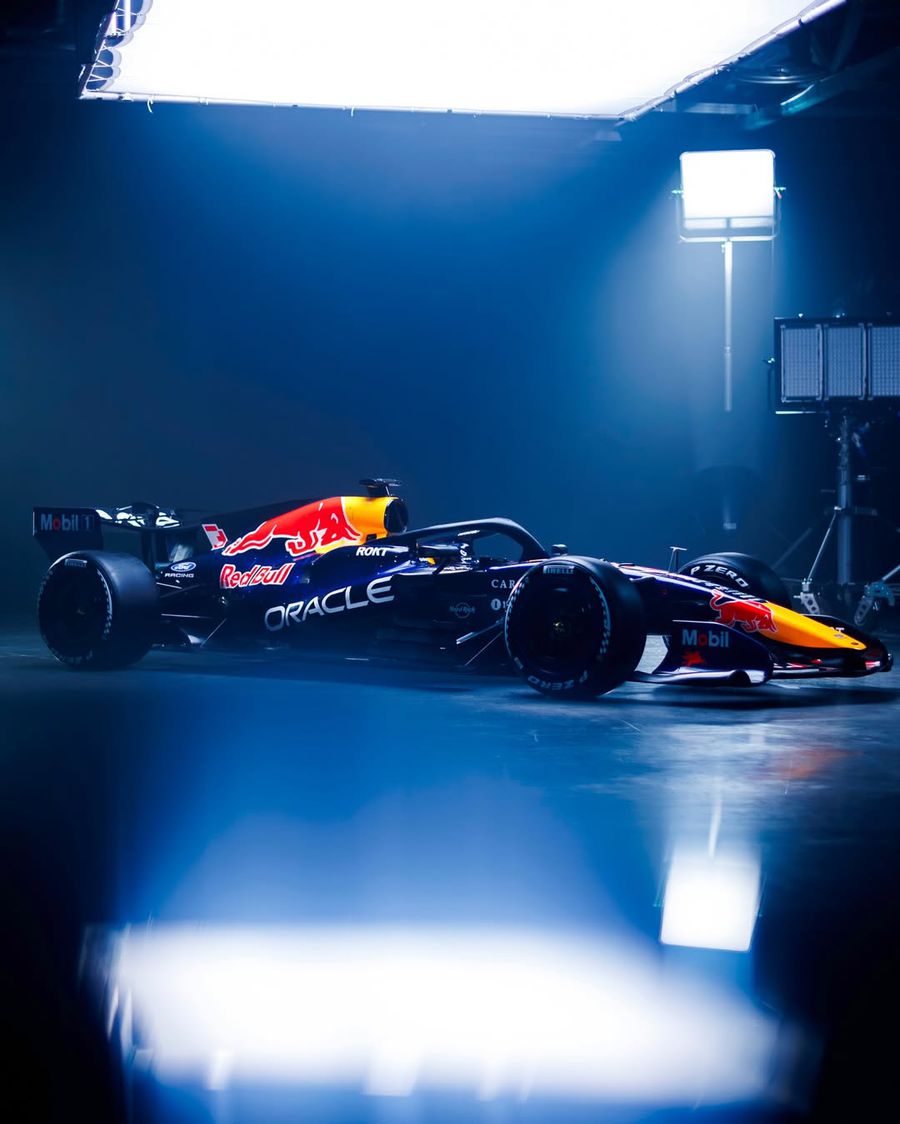
Max Verstappen – 28, Netherlands, 233 races, 71 wins, 4 world titles
-
Isack Hadjard – 21 years old, France, 24 races, 0 wins
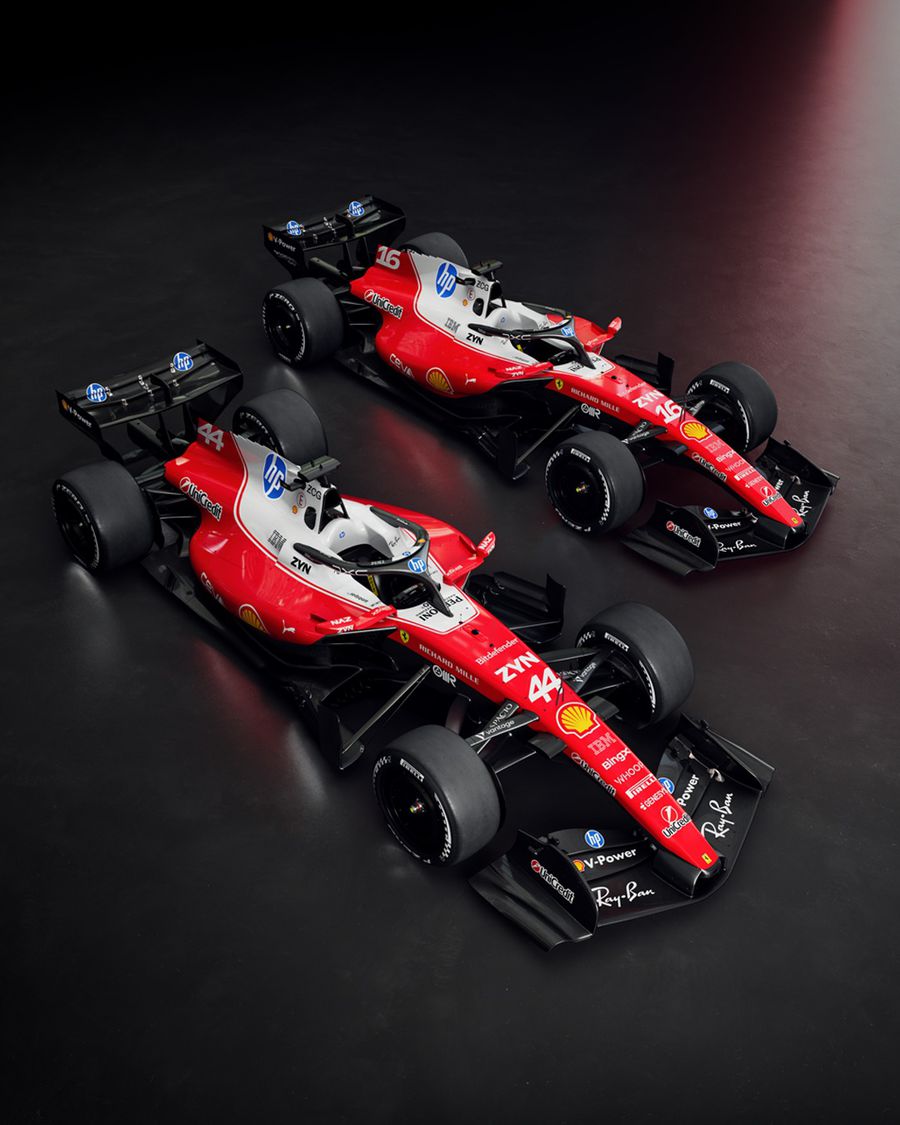
Ferrari
-
Lewis Hamilton – 41 years, Great Britain, 380 races, 105 wins, 7 world titles
-
Charles Leclerc – 28 years old, Monaco, 171 races, 8 wins
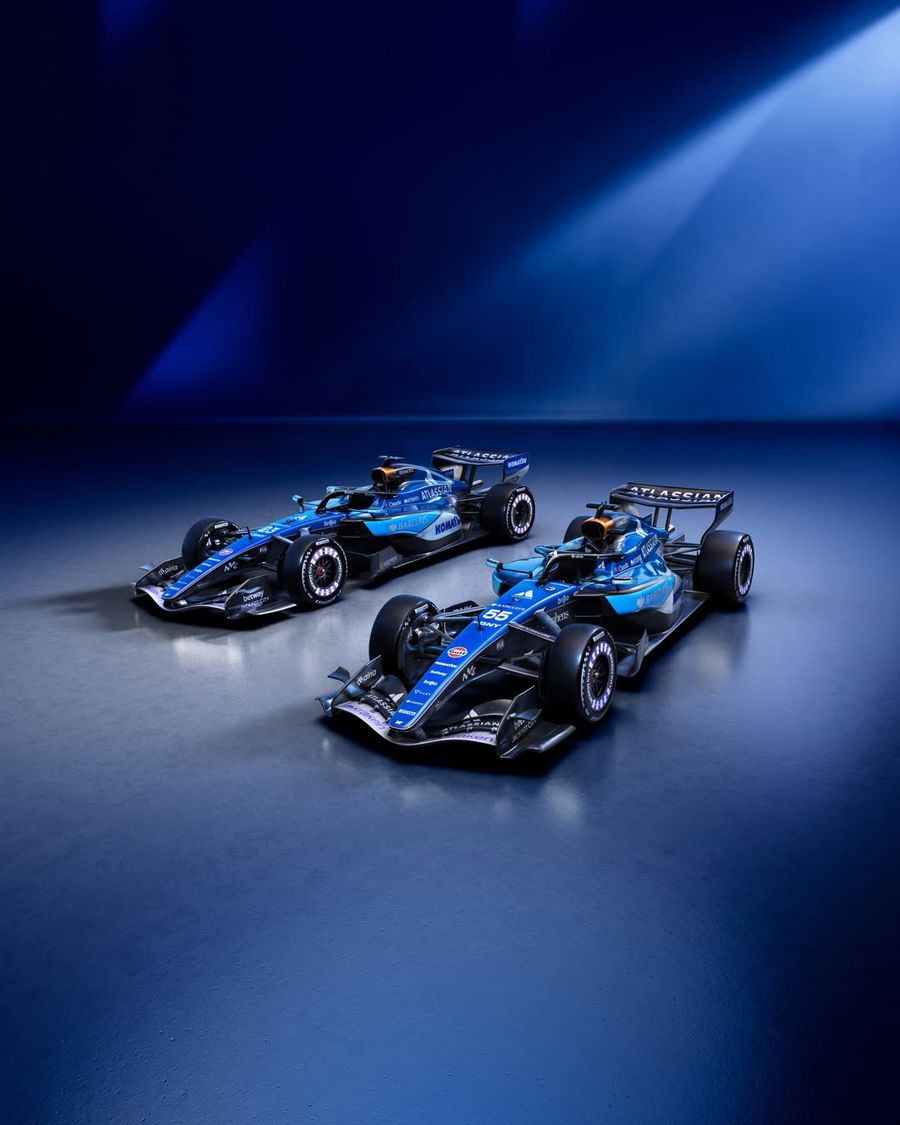
Williams
-
Carlos Sainz – 31 years old, Spain, 229 races, 4 wins
-
Alexander Albon – 29 years old, Thailand, 128 races, 0 wins
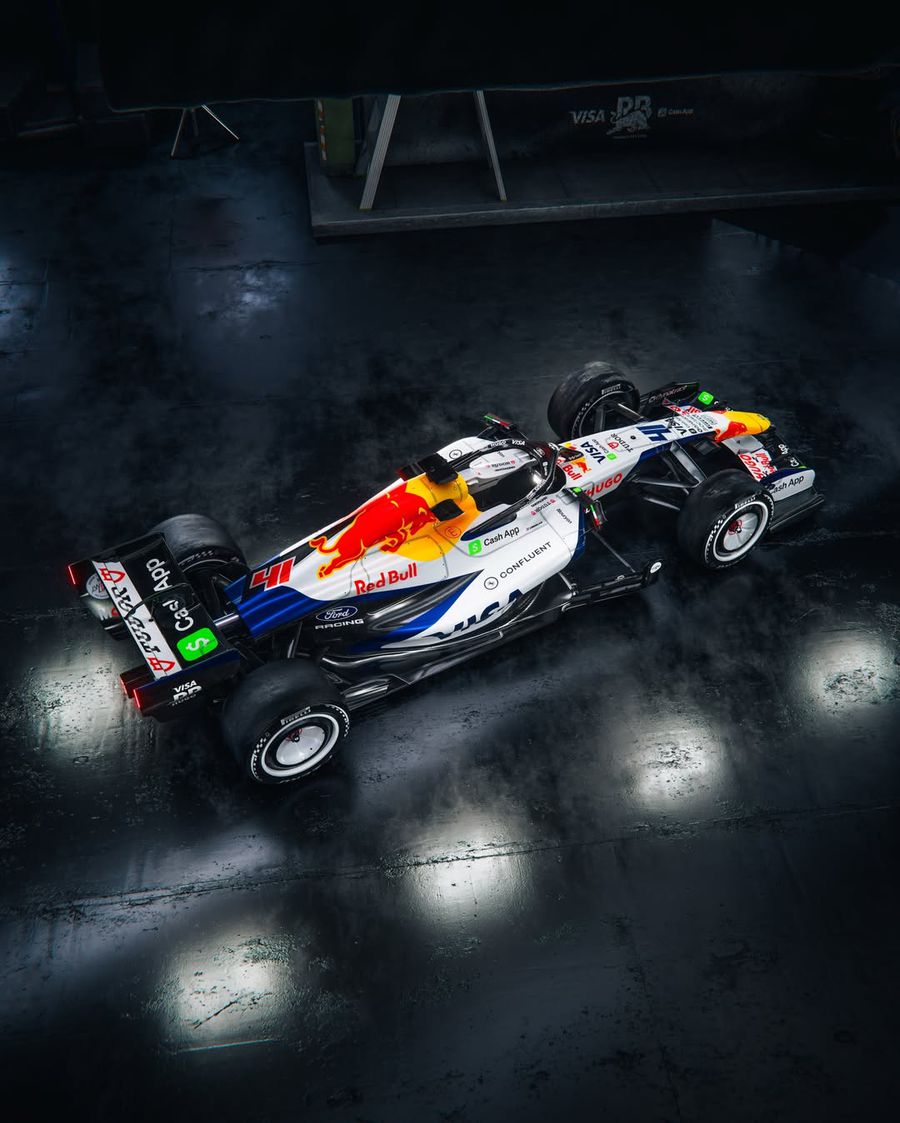
Racing Bulls
-
Liam Lawson – 24 years old, Australia, 35 races, 0 wins
-
Arvid Linblad – 18 years old, Great Britain, debutant
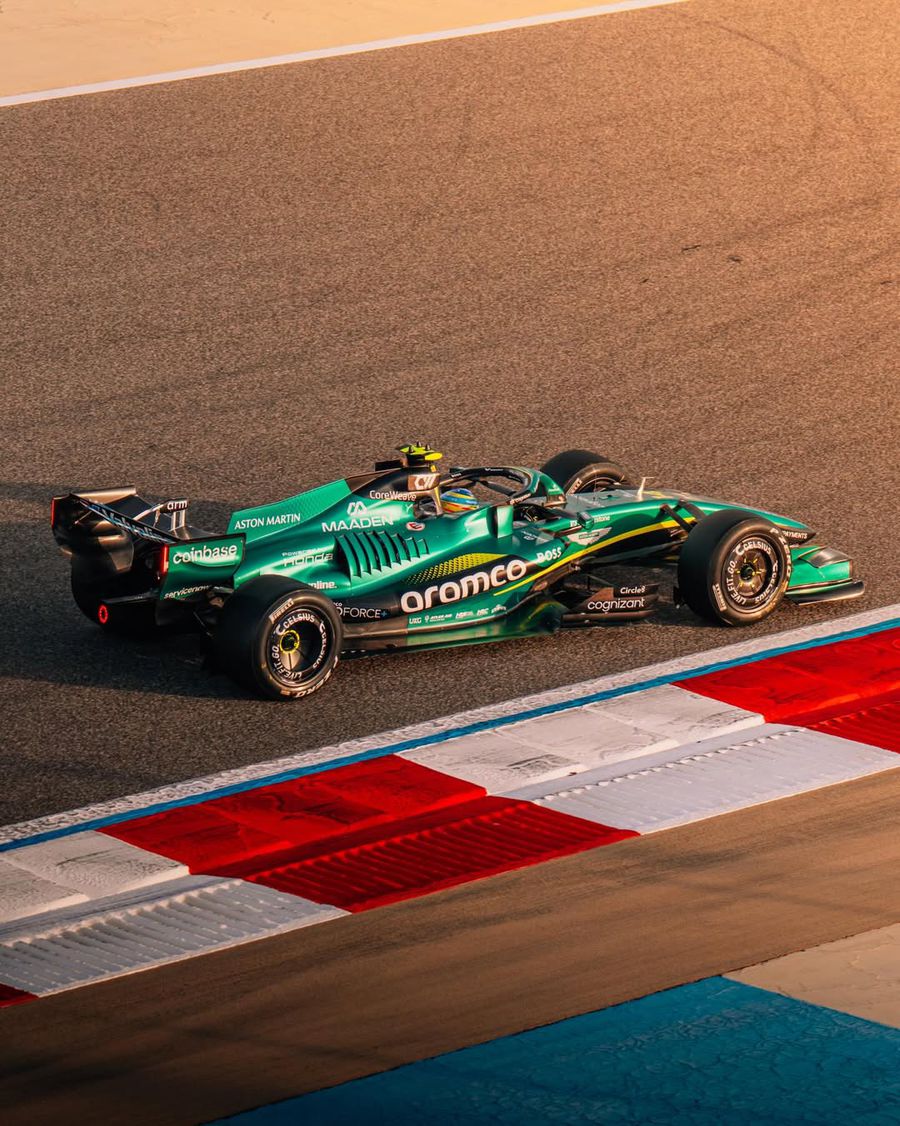
Aston Martin
-
Fernando Alonso – 44, Spain, 425 races, 32 wins, two world titles
-
Lance Stroll – 27 years old, Canada, 189 races, 0 wins
Haas
-
Esteban Ocon – 25 years old, France, 180 races, one win
-
Oliver Bearman – 20 years, Great Britain, 27 races
hearing
-
Nico Hulkenberg – 38 years old, Germany, 250 races, 0 wins
-
Gabriel Bortoleto – 21 years old, Brazil, 24 races, 0 wins
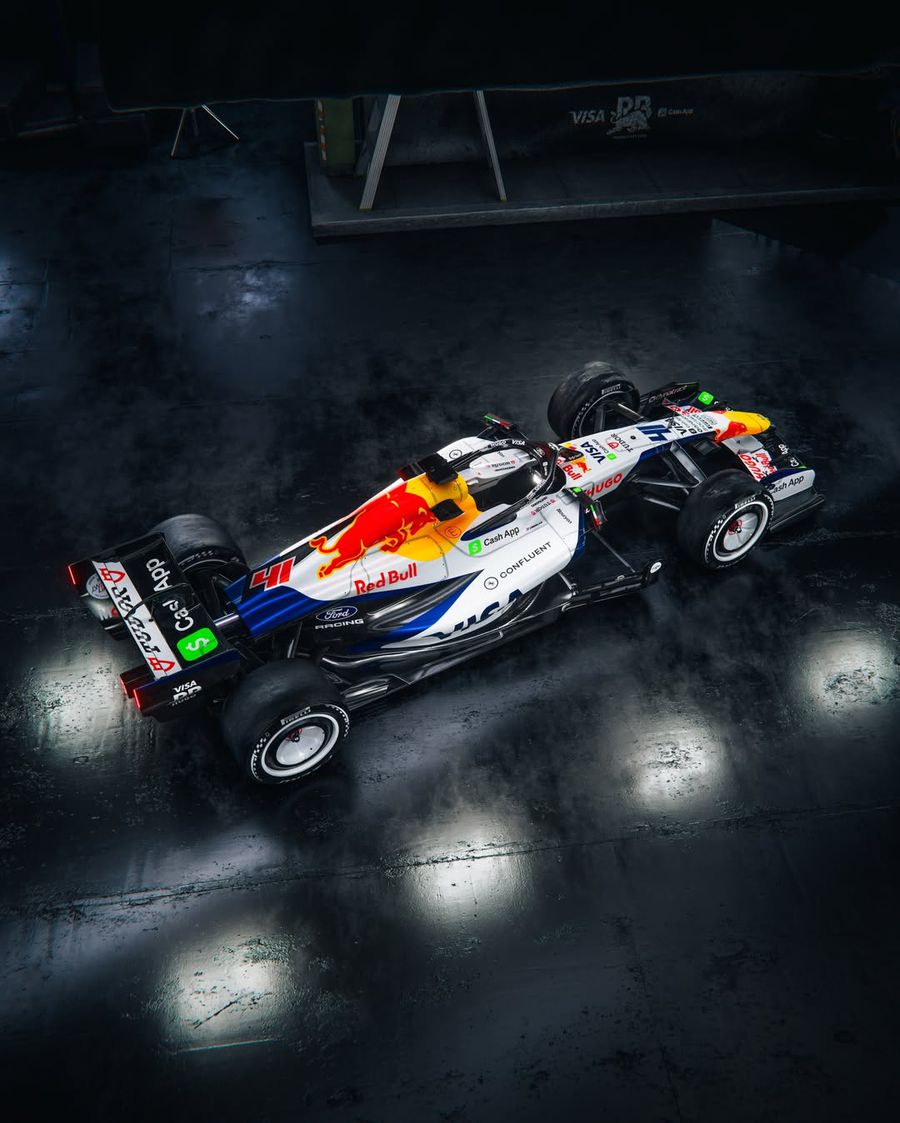
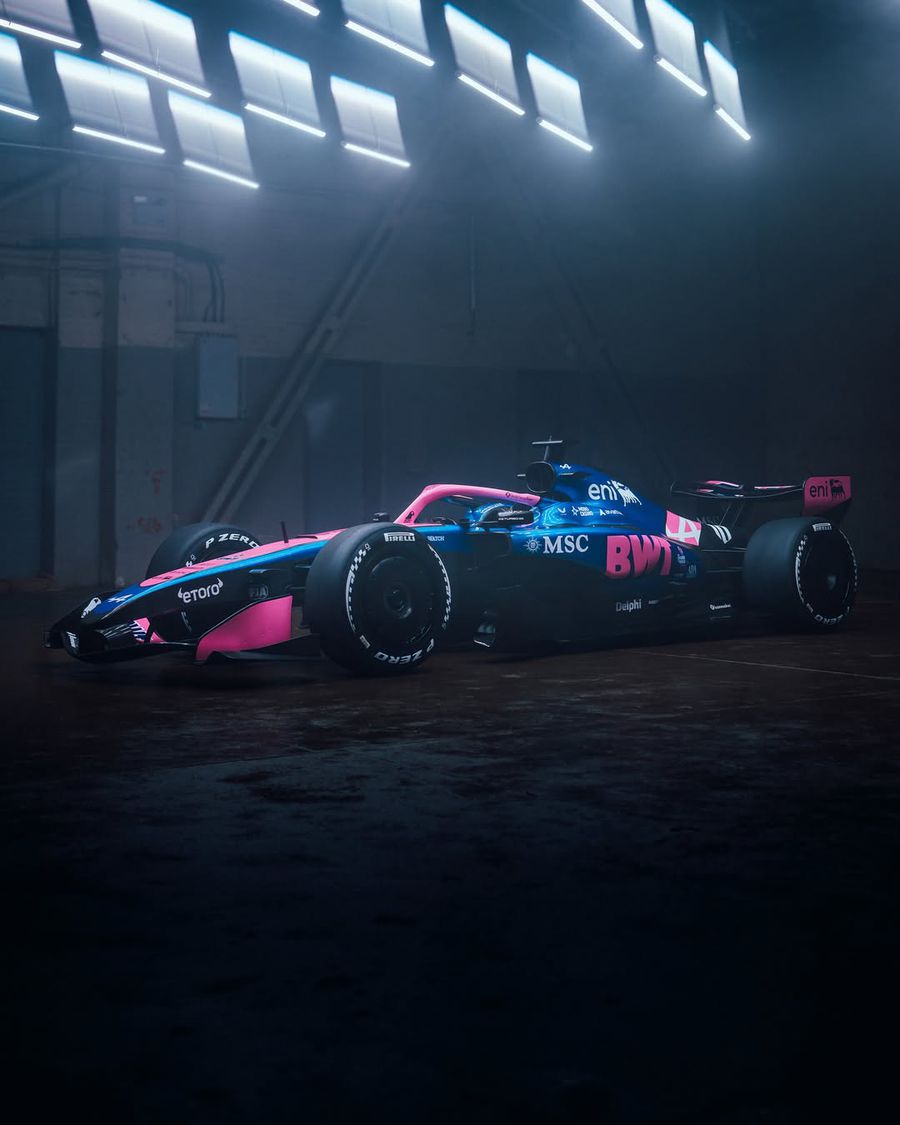
Alpine
-
Pierre Gasly- 30 years old, France, 177 races, one win
-
Franco Colapinto – 22, Argentina, 26 races, no wins
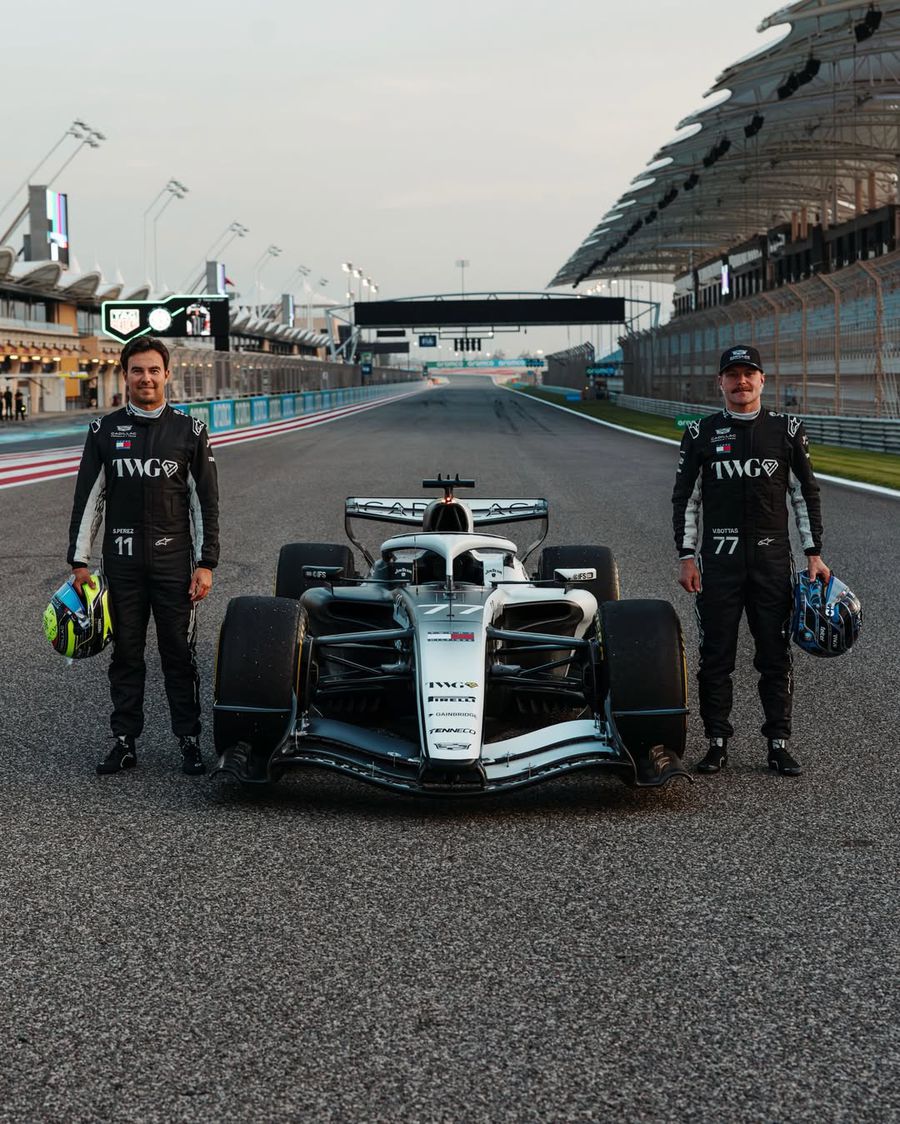
Cadillac
-
Sergio Perez – 36 years old, Mexico, 281 races, 6 wins
-
Valtteri Bottas – 36 years old, Finland, 247 races, 10 wins
Last season, McLaren was constructors' champion for the second year in a row. In drivers, Lando Norris (McLaren) became champion for the first time, followed by Max Verstappen (Red Bull) and Oscar Piastri (McLaren).
Few changes, only one starter
If in 2025 there were 6 debutants, this year there is only one. It is about the British Arvid Lindblad (18 years old), who will compete for Racing Bulls. Another major difference from the previous season is the small number of changes to the teams.
Compared to last year, most of the teams kept the same drivers. Red Bull decided to promote Racing Bulls' Isack Hadjar in place of Yuki Tsunoda, while Racing Bulls opted for Lindblad.
Formula 1 season calendar 2026
- MP of Australia: March 6-8
- MP of China: March 13-15
- MP of Japan: March 27-29
- Bahrain MP: April 10-12
- MP of Saudi Arabia: April 17-19
- Miami MP: May 1-3
- MP of Canada: May 22-24
- Monaco MP: June 5-7
- MP of Catalonia: June 12-14
- MP of Austria: June 26-28
- UK MP: July 3-5
- Belgian MP: July 17-19
- MP of Hungary: July 24-26
- MP of the Netherlands: August 21-23
- MP of Italy: September 4-6
- MP of Spain: September 11-13
- MP of Azerbaijan: September 24-26
- Singapore MP: 9-11 October
- United States MP: October 23-25
- MP of Mexico: October 30 – November 1
- MP of Brazil: November 6-8
- Las Vegas MP: November 19-21
- Qatar MP: November 27-29
- Abu Dhabi MP: December 4-6
Where will the sprint races take place in 2026:
- China (Shanghai) – March 14
- USA (Miami) – May 2
- Canada (Montreal) – May 23
- Great Britain (Silverstone) – July 4th
- Netherlands (Zandvoort) – August 22
- Singapore – October 10
Major changes in Formula 1: a new regulation in 2026
The 2026 season marks a new start for Formula 1, following a series of major rule changes. There are changes to the chassis, engines, fuel and aerodynamics, with the FIA hoping for more spectacular races and hotter duels. According to the official website, here are the most important changes for the new year.
Smaller and lighter single-seaters
Single-seaters from 2026 will have a reduced wheelbase compared to the ones so far. The distance between the front and rear axles is 200 mm shorter than last year – 3400 mm instead of 3600 mm. The cars are also narrower, with the floor width reduced by 100mm, and the tires also contribute to this change. The front tires are 25 mm narrower, while the width of the rear tires has been reduced by 30 mm.
The elimination of the MGU-H (Motor Generator Unit – Heat) system contributed to lowering the weight limit. Due to the smaller dimensions of the car and tires, there has been a significant drop in the minimum weight, from 800 kg in 2025 to 768 kg this year.
Another aerodynamics
The main regulation change from last year is the removal of the “venturi tunnels” under the car, which generated considerable aerodynamic performance through ground effect. The front and rear wings were simplified, the wheel covers were removed and the side deflectors were reintroduced to direct the airflow from the front wheels to the interior of the car.
New power units
From this year, single-seaters will run on advanced sustainable fuels. They will still have a V6 turbo hybrid engine, but with a new power unit.
The MGU-H system has been removed and the internal combustion engine (ICE) now has a reduced output of around 400 kW. However, the MGU-K (Motor Generator Unit – Kinetic) has been retained and is more powerful, with electrical power output increasing from 120 kW to 350 kW, resulting in a roughly 50-50 split between internal combustion and electric power.
The battery can now be recharged at more than double the previous 4 MJ per turn. Thus, greater emphasis is placed on energy recovery. This process is done under braking, under partial acceleration, by what is called “super clipping” or by the pilot taking his foot off the accelerator before braking.
A new fuel
Instead of a fuel derived from crude oil or fossil feedstock, advanced sustainable fuel is one where the molecules must be extracted from an advanced sustainable feedstock. That is, any second-generation raw material that does not compete with the food chain. It could be residues from various industries or even organic waste, with FIA measuring the CO2 equivalent at each step to control the extraction processes of the molecules as well.
Overtake Mode
The Forward Drag Reduction System (DRS) is replaced as an overtaking aid by a new power mode, simply called 'Overtake Mode'. It allows a pilot to recharge a surplus of 0.5 MJ and generate more electrical power to be able to maintain a higher speed for a longer period.
There will be only one detection point per tour for this mode. The mode will be available to drivers on the next lap, provided they remain less than one second behind the car in front at that detection point. In addition, the new regulations introduce concepts such as active aerodynamics, a “Boost” system and adjustments to race procedures. Here are the main changes explained.
“Boost” System
The “Boost” mode provides pilots with recovered energy, whenever they want. The 'Boost' button can be freely used by drivers, either as an overtaking or defensive tool, or simply to improve lap times. The energy can be released all at once or distributed over the course of the tour.
“Straight” mode
A major innovation is the introduction of “Straight” mode, a special aerodynamic configuration that allows the cars to reduce their drag, thus becoming more efficient when accelerating towards top speed. This mode will be most effective on long straights, where the speed difference it generates should have a greater effect in closing the gap between two competing cars.
Unlike the old DRS system, which only opened a slot in the rear wing, the new system involves both the rear and front wings. The upper elements of the front wing descend simultaneously with the upper element of the rear wing.
This mode will be used automatically on each lap in dry track conditions in specially designated areas. Basically, the car will switch between two configurations: one with maximum downforce in corners and one with reduced drag in straight lines.
Adjustments to the start procedure
In the past, the MGU-H component was used to spin the turbine, but this has been removed. Now the turbine depends on the exhaust gases from the internal combustion engine (ICE), which takes more time.
Therefore, a small change will be added to the starting procedure: after the last car lines up on the grid, the drivers will receive a pre-start warning and have five seconds to increase their revs before the first set of lights.
Changes in qualifications
The increase in the number of pilots, from 20 to 22, led to an adjustment of the regulations for qualifications. Instead of five cars, six will be eliminated in Q1. The same will happen in Q2, where another six cars will leave the competition. Thus, Q3 will remain unchanged, with the top 10 drivers fighting for pole position.