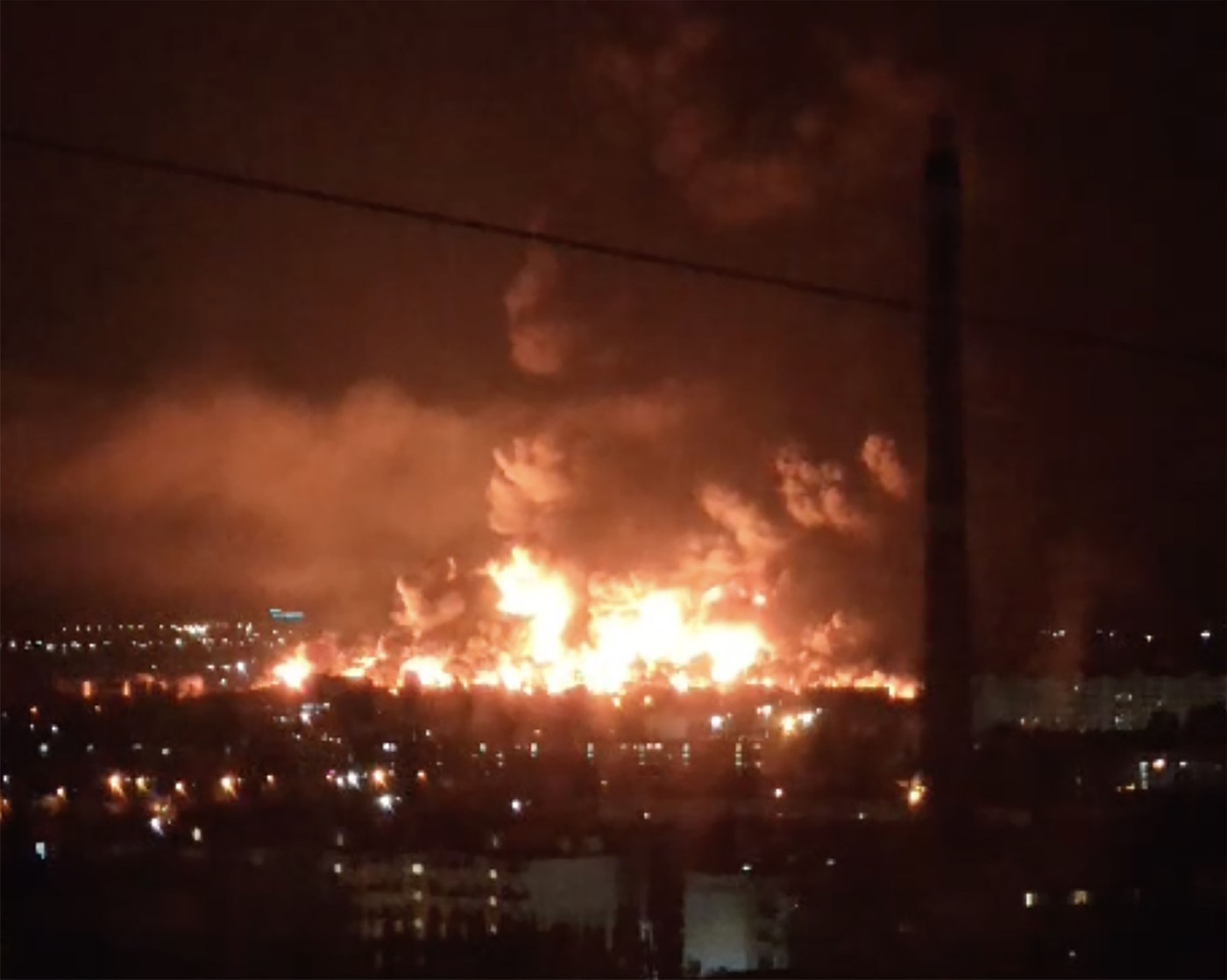
The war in Iran – A shock for those who have to travel by plane these days. Destinations not related to the Middle East are also affected

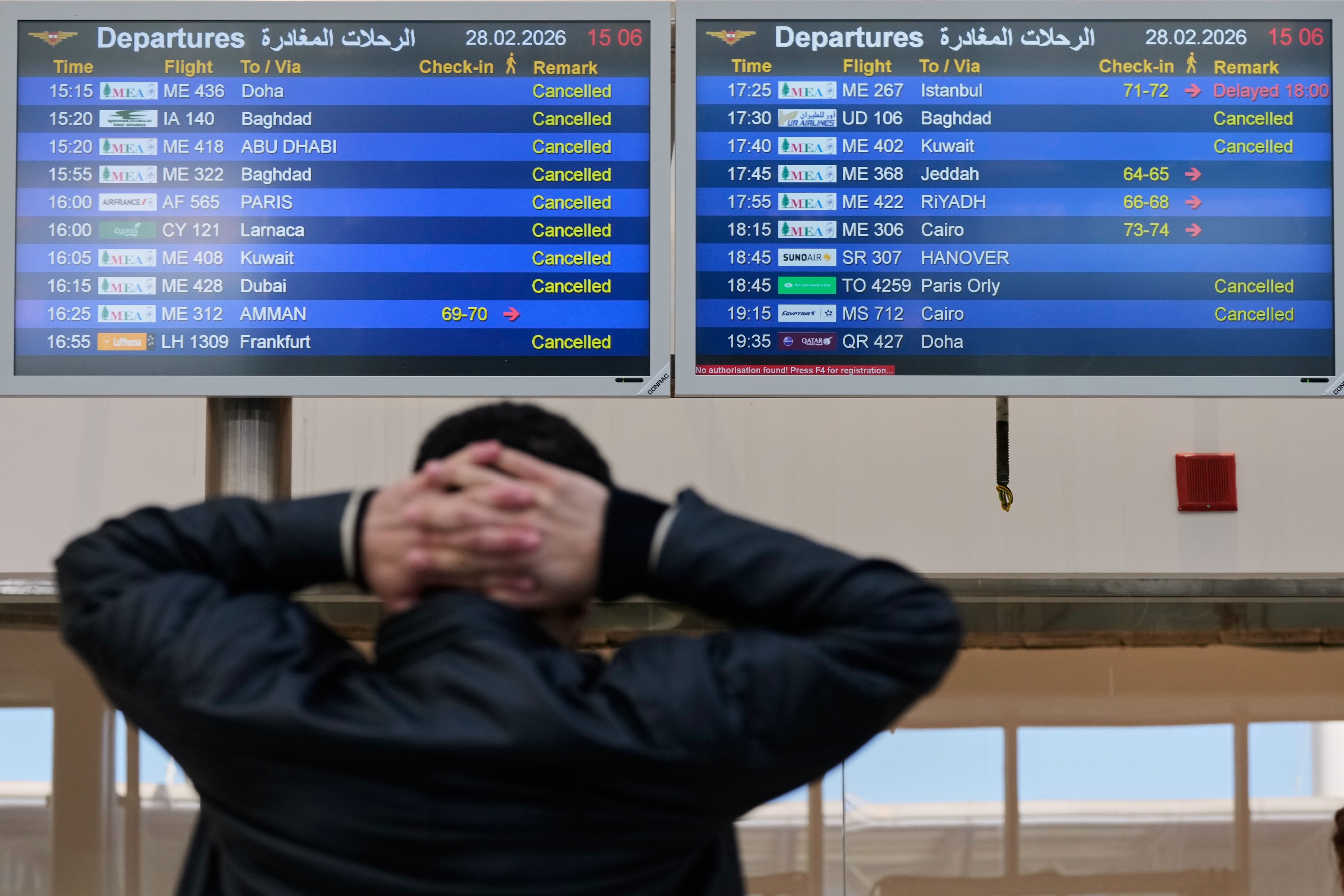
A traveler checks departure times as numerous flights are canceled at Rafik Hariri International Airport in Beirut, Lebanon, Saturday, February 28, 2026. Credit line: Hassan Ammar/AP/Profimedia
Worldwide knock-on effects after airspace blockade. With major airports in Dubai, Doha and others grounded, aircraft and crews have been stranded in the wrong locations, disrupting airline schedules globally, Reuters reports.
Key transit airports, including Dubai and Abu Dhabi in the United Arab Emirates, as well as Doha in Qatar, were closed or operated with severe restrictions as much of the region's airspace remained closed.
Gulf states are facing heightened uncertainty after US and Israeli strikes killed Iran's Supreme Leader Ayatollah Ali Khamenei on Saturday.
Israel said it had launched a new wave of attacks on Iran on Sunday, as loud explosions were heard for a second day in a row near Dubai and over Doha after Iran launched retaliatory airstrikes on neighboring Gulf states.
Dubai International Airport suffered damage from Iranian attacks, and airports in Abu Dhabi and Kuwait were also hit.
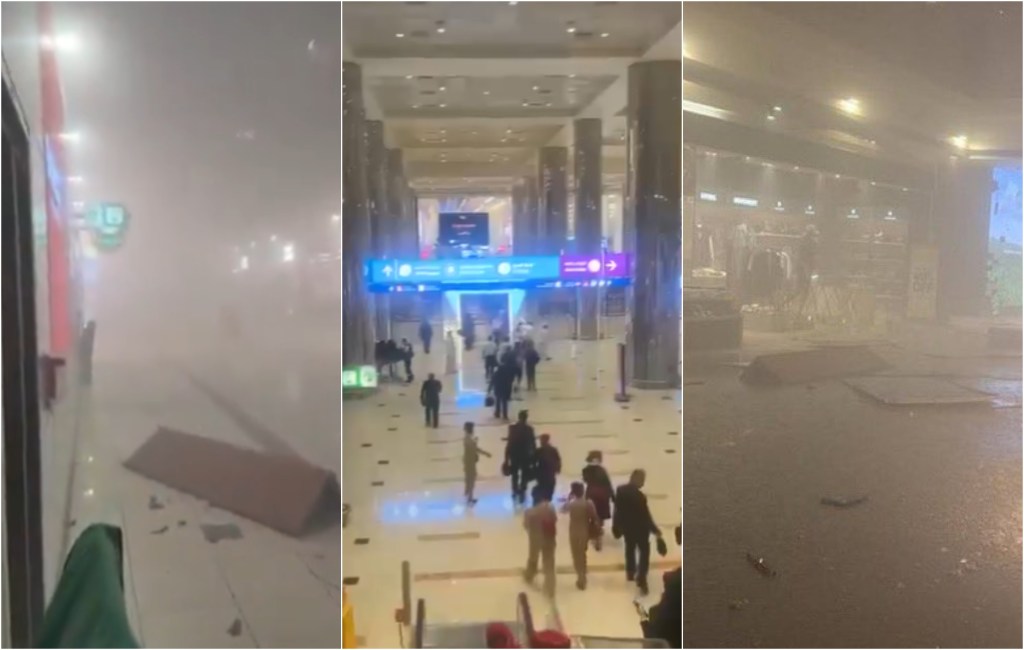 Dubai airport damaged by Iran's retaliation. Four people injured, passengers evacuated and building full of smoke – VIDEO
Thousands of flights have been affected across the Middle East since the US and Israel launched their first strikes on Iran on Saturday, according to data from flight monitoring platform FlightAware.
Cascading effects
The airport closures had effects far beyond the Middle East. Dubai and the neighboring city of Doha are at the crossroads of east-west air routes, channeling long-haul traffic between Europe and Asia through closely coordinated networks of connecting flights.
With these hubs blocked, aircraft and crews have been stuck in the wrong locations, disrupting airline schedules globally. Destinations not related to the Middle East were also affected.
“It's about the sheer volume of people and the complexity,” said British aviation analyst John Strickland.
“It's not just the passengers that are affected, it's the crews and aircraft everywhere,” he added.
Where can planes still fly?
Airlines in Europe, Asia and the Middle East have canceled or rerouted flights to avoid closed or restricted airspace, lengthening journeys and increasing fuel costs.
The disruptions were compounded by the loss of overflight routes over Iran and Iraq, which had become more important after the Russia-Ukraine war forced airlines to avoid the airspace of both countries.
The closure of Middle Eastern airspace has forced airlines to operate through narrower corridors, and fighting between Pakistan and Afghanistan has added additional risk, said Ian Petchenik, director of communications at Flightradar24.
“The risk of prolonged disruption is the main concern from a commercial aviation perspective,” Petchenik said.
“Any escalation of the conflict between Pakistan and Afghanistan leading to the closure of airspace would have drastic consequences for travel between Europe and Asia,” it added.