After the restrictions introduced by Euronet and Planet Cash, the Blik operator argues that withdrawals above PLN 200 are a transaction margin and promotes cashback in stores. Polish Payment Standard does not want to answer detailed questions about rates, conversations with operators and analysis of the effects.
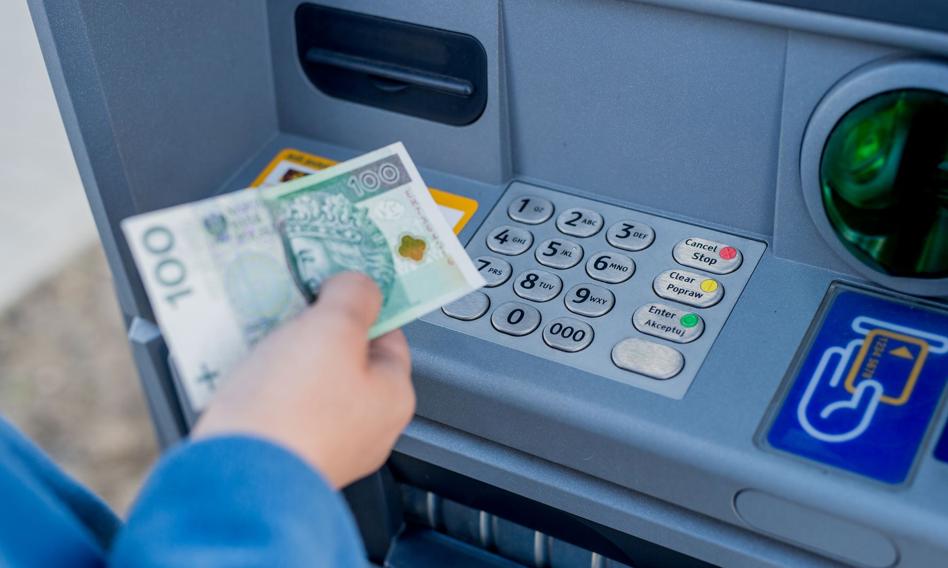
Restrictions on Blik cash withdrawals from ATMs are no longer an incident. Euronet has introduced a limit of PLN 200 for a one-time withdrawal with the Blik code in part of its network, and Planet Cash announced lowering the limits in a model in which the values are to vary depending on the ATM. We have already written about both decisions on Bankier.pl, and the market is entering a stage where what the system operator will do becomes crucial.
What is this all about?
The crux of the dispute is not the limit itself, but the money behind the cash withdrawal. This is an ATM fee, i.e. a commission that the payment system pays to the ATM operator for allowing a bank customer to withdraw cash from the ATM machine. This is a settlement between institutions, not a fee charged to the customer at the ATM. The problem is that ATM operators have been indicating for years that the rates do not keep up with the costs of maintaining the infrastructure, i.e. device servicing, location leases, cash handling, transport and security, energy and salaries.
Therefore, card organizations have decided to increase this fee to offset some of the expenses incurred by ATM operators. From February 2026, Mastercard charges PLN 1.20 plus 0.18%. withdrawal amount, and Visa PLN 1.20 plus 0.17 percent. When withdrawing PLN 1,000, the bank's cost increases from approximately PLN 1.70 to approximately PLN 3 in the case of Mastercard, and from PLN 1.30 to approximately PLN 2.90 in the case of Visa. Dr. Michał Macierzyński, head of the digital services department at PKO Bank Polski, estimated that this would mean an additional PLN 100-150 million annually for the sector and an increase in unit costs of withdrawals by up to over 100%. compared to the current level.
In this context, the dispute over Blik becomes more clear to the average reader. ATM operators say that network maintenance costs are increasing, and Blik remains with a flat fee of PLN 1.20. This makes it easier to understand why ATM operators are fighting more and more fiercely for the conditions for Blik withdrawals, and some of them are starting to limit limits.
PSP did not want to answer these questions
Polski Standard Płatności did not answer a series of specific questions that were supposed to explain the crux of the dispute, i.e. the economics of Blik withdrawals in ATMs and whether it is possible to avoid the restrictions spreading to other networks.
We asked whether PSP confirms Euronet's thesis that current rates do not cover operators' costs and that transactions are carried out “twice below costs”. We wanted to know on what data PSP bases its assessment, whether in the years 2024–2026 it held talks with Euronet and other independent operators about changing rates, and what was the blockage in the negotiations.
We also asked whether PSP was considering changing the fee structure to a mixed model, similar to the one introduced by card organizations in ATM settlements, i.e. a fixed part plus a percentage of the amount, and if not, why not. We asked why Blik “stays the way it is” when Mastercard and Visa are changing the rules and ATM fee rates, and what would have to happen for PSP to revise the rates for Blik withdrawals.
We also directly raised the allegation of a potential conflict of interest, because PSP's shareholders are the largest banks, and Mastercard is also in the background. We wanted to see an analysis of the effects of Euronet's decision on access to cash locally, and not only “on a national scale”, as well as data on the real scale of the problem, including what percentage of Euronet devices are actually excluded from the limit.
Finally, we asked what actions PSP would take to restore full functionality of Blik withdrawals in Euronet ATMs, whether any talks on rates were planned and whether there was a schedule.
Oh there, oh there. Withdrawals above PLN 200 are only 1%. surgery
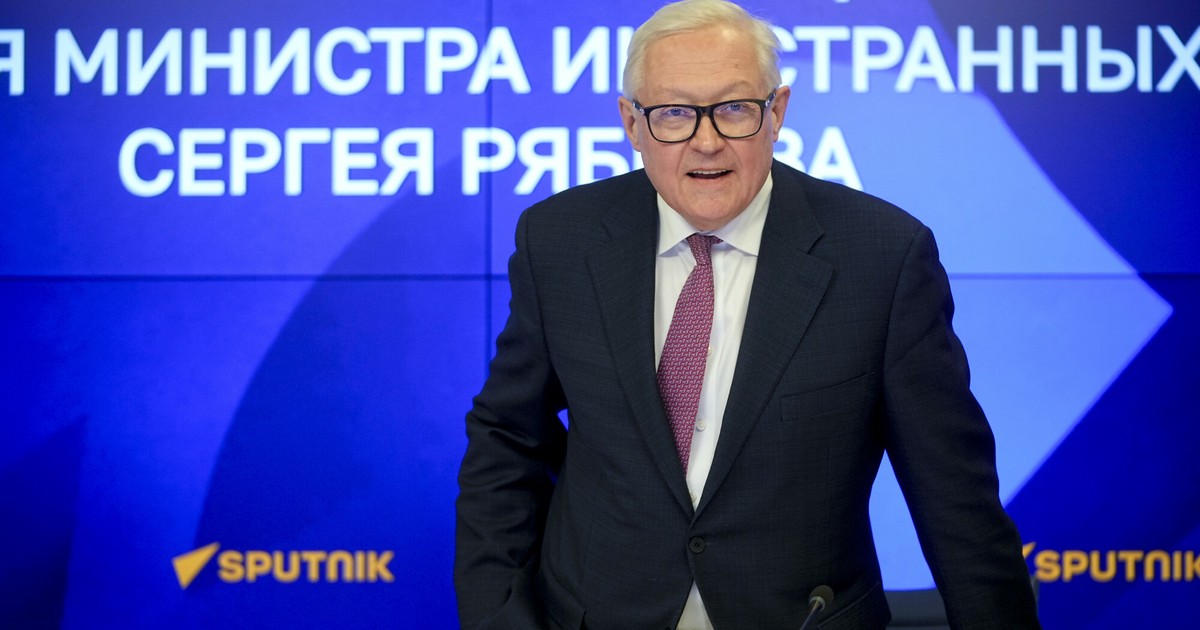
Instead of a point-by-point answer, PSP sent a comment from Adam Kokoszkiewicz, director of the sales department at Polski Standard Płatności. In this statement, the company emphasizes that cash withdrawals constitute an insignificant part of all Blik operations, and transactions above PLN 200 constitute just over 1%. all transactions.
PSP admits that the decisions of independent operators will affect the daily experience of users, but shifts the emphasis in a different direction. He criticizes the move away from a uniform limit in favor of per-ATM settings, because then the customer will only find out what amount he can withdraw when using the device, and points out that predictability and transparency of the rules are important.
“Instead of going to the ATM, go to Żabka”
The key thing, however, is that in practice the PSP does not answer the question of how it intends to solve the source of the conflict, since subsequent ATM operators speak directly about the unprofitability of Blik withdrawals. Instead, the company strongly promotes an alternative, i.e. cashback in stationary stores. PSP reports that approximately 13 million Blik users have access to this function, who can withdraw cash when making purchases in over a dozen thousand stores, and the potential of this service is to be used even more in the future. At the same time, the company argues that approximately 8,000 are still available on the market. ATMs operating under the existing rules.
This narrative looks like an attempt to circumvent the problem rather than solve it. Although the restrictions apply to some transactions, which PSP emphasizes, from the user's perspective, cash withdrawal is one of the most sensitive functions because it concerns access to one's own funds. When it comes to ATMs in smaller towns and locations with a limited selection of devices, the “marginal share” argument does not have to be reassuring, especially if additional networks start to change the rules.
It is also worth remembering – as we have already written on Bankier.pl – that in smaller towns shopkeepers are reluctant to withdraw cash from the cash register. They argue that they need it to settle accounts with customers.
Image dissonance
There is also a clear image dissonance in the background. Last week, the president of the State Fire Service wrote that the award named after Professor Remigiusz of the Kashubian Association of Polish Banks was handed over to him this year, and the jury appreciated his contribution to the development of Blik and building the European position of the system. Meanwhile, in the dispute that affects the everyday usability of Blik in ATMs, PSP avoids answering questions about talks with operators, impact analyzes and conditions that could end the conflict.
It is also worth noting the infrastructure context. According to the cashless.pl website, the latest data on the largest ATM networks in Poland shows that in the fourth quarter of last year, Euronet and ITCARD reduced the number of machines they had by a total of 192 devices, including Euronet by 167 and ITCARD by 25. Cashless points out that, apart from the case of Millennium, which hands over its ATMs to ATM Express, these are the only declines among the ATM networks operating in Poland. With the ATM network shrinking, the dispute over the economic conditions of withdrawals is no longer an internal industry discussion and may increasingly impact the availability of the service to customers.
We also asked the National Bank of Poland and the Polish Bank Association for comment. By the time of publication of the text, we had not been able to obtain an answer. We will continue the topic.