Purchasing an apartment is only the beginning of the expenses that the owner incurs every month. Regardless, whether the premises are located in a building managed by a community or cooperative, or in a small property called “rent-free”, the list of costs is long and in practice very similar.
In each case there are bills for electricity, gas, water and sewage, as well as settlement of advance payments – both underpayments and refunds. This should be added to costs of additional services such as television and internetwhich for many households are a standard element of the monthly budget.
The term “rent-free” refers only to the lack of a fixed administrative fee paid to the cooperative or manager. This does not mean, however, that the owner does not bear the costs of maintaining the property. On the contrary – must organize and finance them independently or within a small community.
Typical fees include:
- apartment heating,
- water consumption and sewage disposal,
- garbage collection,
- electricity of common areas,
- current repairs,
- contributions to the renovation fund or one-time collections,
- inspections of installations and devices.
As a result the lack of rent does not mean lower total costs, but a different structure of expenses – less predictable and more dependent on random events.
Heating and repair costs: owner's risk
One of the key differences between rented and rent-free apartments is heating method. Many smaller buildings use individual gas furnaces. They give you more control over temperature and energy consumption, but they also mean additional responsibilities and costs.
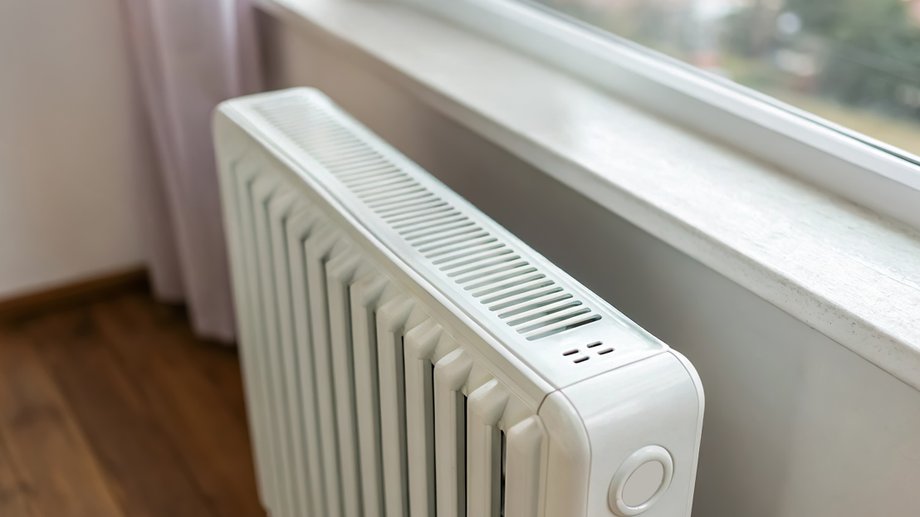
One of the key differences between rented and rent-free apartments is the method of heating
|
Photo Dot Studio / Shutterstock
Read also: Free access to apartment prices. How does the Real Estate Price Register work?
The owner must pay for:
- annual technical inspections, which usually cost from PLN 100 to PLN 300,
- repairs and replacement of parts, which can cost from several hundred to several thousand. zloty,
- higher gas bills for older or less efficient appliances,
- service and installation inspection.
In practice this means that costs may be low for a few years and then skyrocket when the furnace needs to be replaced or a major renovation is needed.
The situation is similar in this case other building elements. In small communities, the costs of roof, facade or installation renovation are spread over several apartments, not several dozen or several hundred, as in large blocks of flats.. This means a higher unit cost.
— At the beginning, we paid PLN 100 for the renovation fund and PLN 100 for the maintenance of common areas. Later, additional fees appeared, and when renovation was necessary, the premiums increased several times. Everyone also paid separately for electricity, gas, water and sewage. The lack of cooperation between residents further complicated the situation – says Mrs. Izabela, the owner of an apartment in a small building near Warsaw.
This is an example showing that in rent-free apartments, greater control over expenses goes hand in hand with greater financial responsibility.
Rent costs in Poland: stability, but without full control
In apartments managed by a community or cooperative, the owner pays a monthly rent that covers many items at the same time. These include:
- heating,
- advance payments for water and sewage,
- renovation fund,
- maintenance of common areas,
- cleaning, maintenance and administration,
- protection or monitoring (if any).
Examples of monthly fees in one of the apartments with an area of 56.26 sq m are: PLN 1,217.90. The largest part is central heating – PLN 492.28 and the operating advance – PLN 316.74. The renovation fund is PLN 168.78and other costs include, among others: water, sewage and waste disposal.
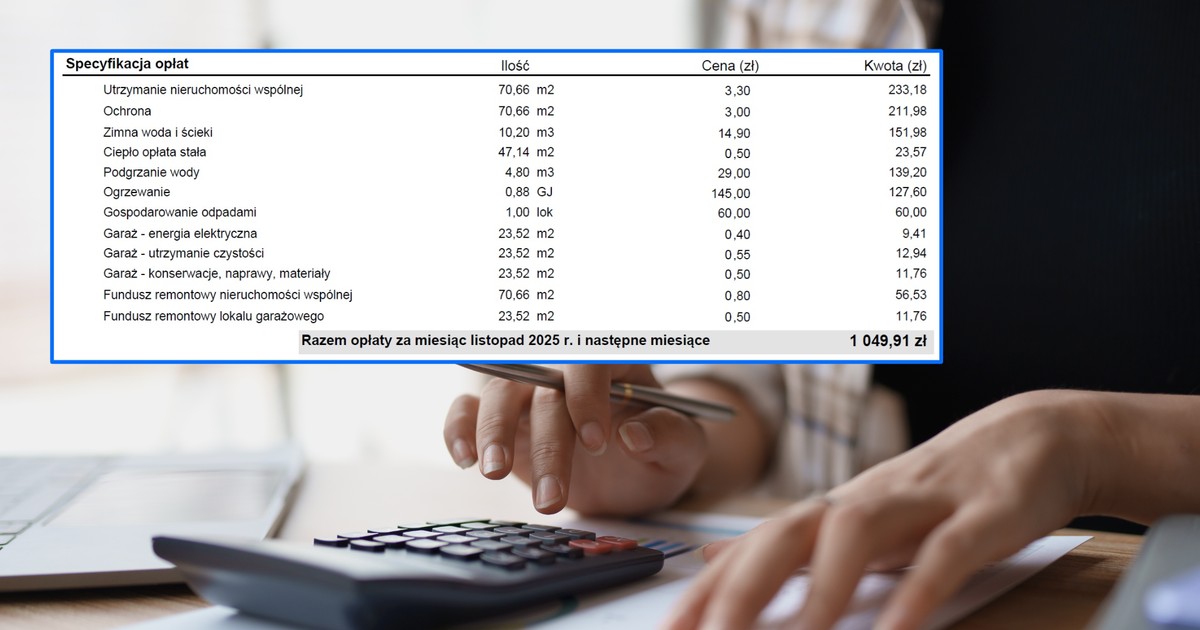
In the second case, for an apartment with an area of approx. 48 m2 with a garage, the monthly fees are: PLN 1,049.91. The largest items are maintenance of the common property – PLN 233.18, security – PLN 211.98 and water and heating costs.
To these amounts, as in rent-free apartments, you must add electricity bills, and in many cases also gas, television and internet bills. The final monthly cost of maintaining the apartment may be several hundred zlotys higher, depending on energy consumption and the selected service package.
The key difference, however, is predictability.
— I don't have to worry about organizing renovations or inspections. Everything is included in the rent and the costs are spread among many residents – says Mr. Krzysztof, the owner of an apartment in Warsaw.
Rent increases usually occur once a year and amount to several percent, which allows you to prepare for higher expenses in advance.
See also: High tax refund for spouses. Check before the tax office does it
Housing costs: what is more profitable in the long term
There is no clear answer to the question which apartment is cheaper to maintain. In practice, complete the costs may be similar, but their nature differs.
Rent-free apartments offer greater independence and the ability to control some of your expenses. At the same time, they involve the risk of sudden, high costs that the owner must cover on his own.
On the other hand rental apartments provide greater predictability and convenience. The costs are spread among many residents, and the administration is responsible for organizing renovations, services and building maintenance. The disadvantage is a smaller impact on the amount of fees and their regular increase along with rising energy and service prices.
In both cases, the owner must take into account the full cost of living, including not only rent or contributions, but also electricity, gas, water bills, advance settlements, as well as TV and internet fees.
Therefore, before purchasing, it is crucial to check:
- total monthly living costs,
- the amount of the renovation fund and renovation plans,
- heating method,
- technical condition of the building,
- property management principles,
- history of fee increases.
Ultimately, the difference between a rented and rent-free apartment is not whether the owner pays, but when, how much and at what risk. In practice, that's exactly what it is cost predictability and the scale of potential unexpected expenses have the greatest impact on the real profitability of the investment.