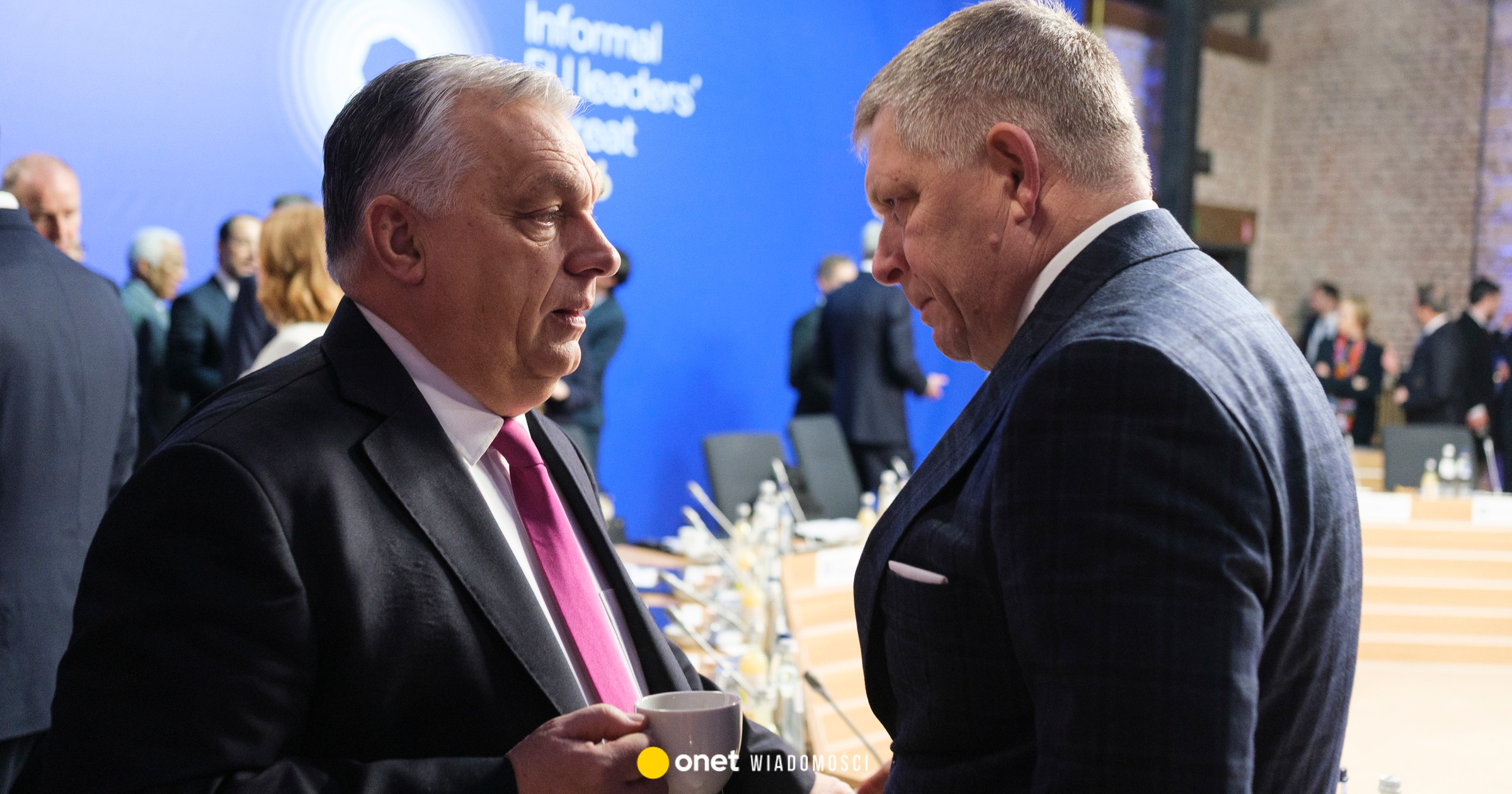
Slovakia has suspended electricity supplies to Ukraine, and Hungary is blocking a new package of anti-Russian sanctions and an EU loan worth EUR 90 billion (less than PLN 380 billion) for the functioning of the Ukrainian state.
In its electoral fight, Orban's Fidesz party bet everything on the thesis that it is against war, in favor of peace, will keep Hungary away from threats, and Hungarians will not participate in any confrontation: neither with money nor with their lives. However, as a new opinion poll shows, this tactic does not work.
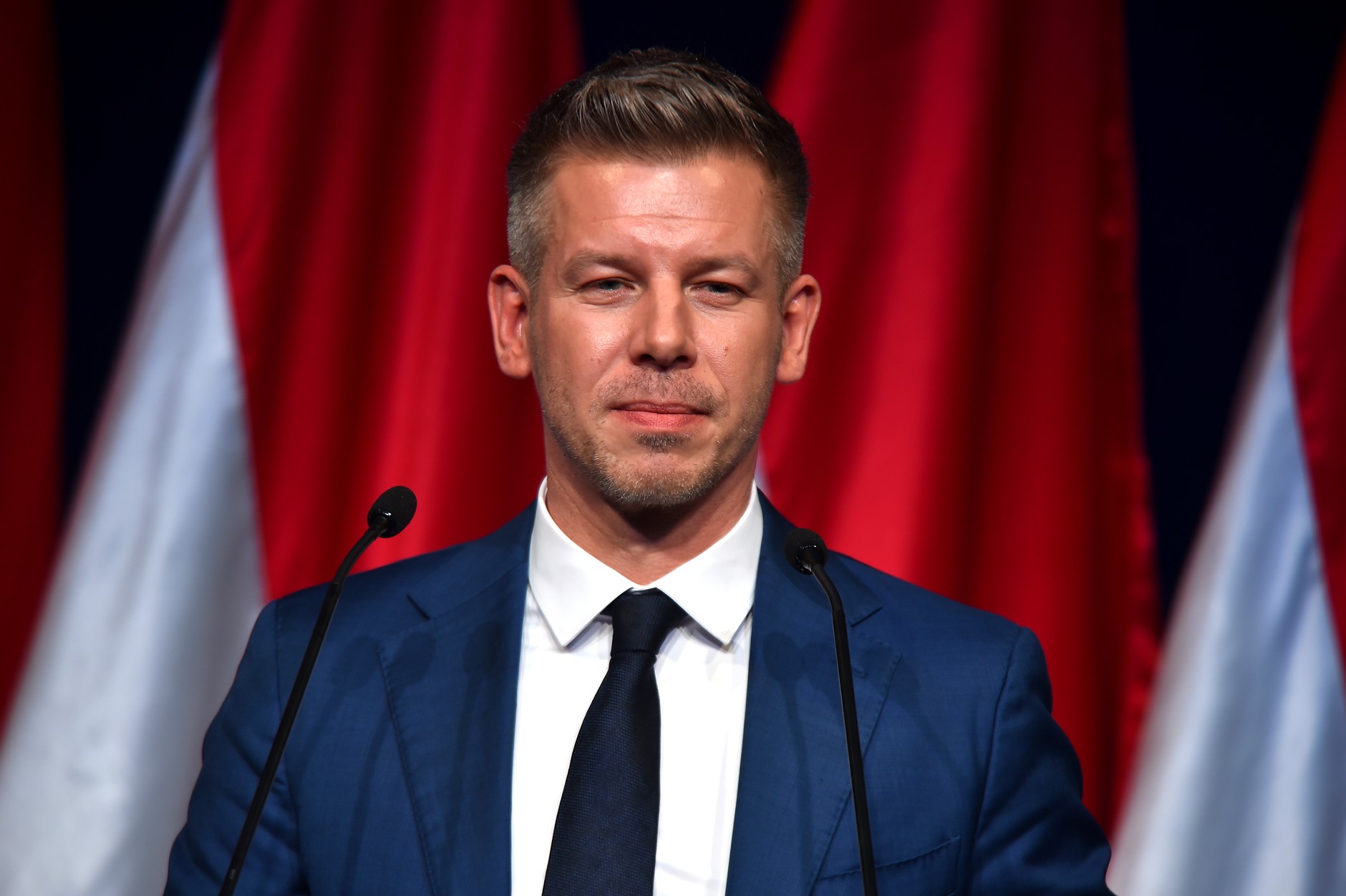
In the latest survey by Median, the difference between Fidesz and its main rival – the TISHA group led by Peter Magyar – has already increased to 20 percentage points. The scenario of a change of power in Hungary is becoming more and more real.
Orban is fighting for the undecided and only sporadically interested in politics part of society, whom he is trying to attract to the ballots with anti-Ukrainian rhetoric – and thus eliminate the advantage of the opposition TISHA party.
The article continues below the video
It can be expected that until April 12, when the elections in Hungary will be held, Viktor Orban will not give up his dirty electoral game. If TISHA and its leader Peter Magyar win, Ukraine and Europe will breathe a sigh of relief.
Magyar, who reads voters' moods well, will certainly not send a Hungarian expeditionary force to Ukraine and will not undertake to guarantee the mentioned loan, but he will not block the decision to associate Ukraine with the EU.
Peter MagyarThierry Monasse/Getty Images / Contributor / Getty Images
It is difficult to predict whether, after Viktor Orban's possible fifth victory in a row, the Hungarian Prime Minister will relent in his opposition to Ukraine or, on the contrary, will be encouraged to an even greater offensive.
“Slovaks and Hungarians find themselves in a difficult situation”
Orban chooses his usual method of operation. It is blocking the 20th package of sanctions against Russia and is also threatening to block the recently approved loan of EUR 90 billion, which is necessary for the functioning of the Ukrainian state.
The official reason for the dispute is the Druzhba pipeline, through which almost 100% of the gas flows from Russia through Ukraine. oil processed by both Hungary and Slovakia. At the end of January, according to Ukrainians, a Russian drone damaged a pipeline in Ukrainian territory.
Slovaks and Hungarians accuse Kiev of repairs being too slow. As of February 24, the infrastructure is still on fire. Ukraine is interested in keeping the Druzhba pipeline out of operation because Hungarian and Slovak money support the Russian war budget. Slovakia and Hungary have not used the last four years to distance themselves from Russian oil.
Now Slovaks and Hungarians find themselves in a difficult situation. Their neighbors do not want to help them import Russian oil through other routes, so they put pressure on Ukraine.
Fico announced that Slovak electricity intended for emergency situations, which is extremely valuable in times of Russian terror against the civilian population, will not flow to Ukraine. But at least according to rough calculations, Ukraine will cope with this problem.
During the period of the hardest frosts and the heaviest Russian bombing, Ukraine had to import about one third of the energy it consumed. Slovakia is the second most important link in the import of electricity for Ukraine (after Hungary, unfortunately for Ukrainians). However, the severe frosts have subsided, consumption is not as high, and Russian bombing of energy infrastructure is, at least now, not as intense.
The need for imports is not as great, and two other importers, Romania and Poland, have some spare capacity. Ukraine will probably be able to compensate for the losses caused by Slovakia, although this is of course an additional problem for Kiev.
Hungary also wanted to cut off electricity supplies. 40% of it flows through this country. electricity purchased by Ukraine. However, Budapest has withdrawn from this idea for now. As Foreign Minister Peter Szijjarto said, it was mainly due to families of Hungarian origin living in Ukraine.
I’m Ashley Davis as an editor, I’m committed to upholding the highest standards of integrity and accuracy in every piece we publish. My work is driven by curiosity, a passion for truth, and a belief that journalism plays a crucial role in shaping public discourse. I strive to tell stories that not only inform but also inspire action and conversation.