The Pentagon reportedly warned Trump of the risks of a major military operation against Iran

The Pentagon has issued warnings to President Donald Trump about the risks of an extended military campaign against Iran, according to current and former officials cited by US media.
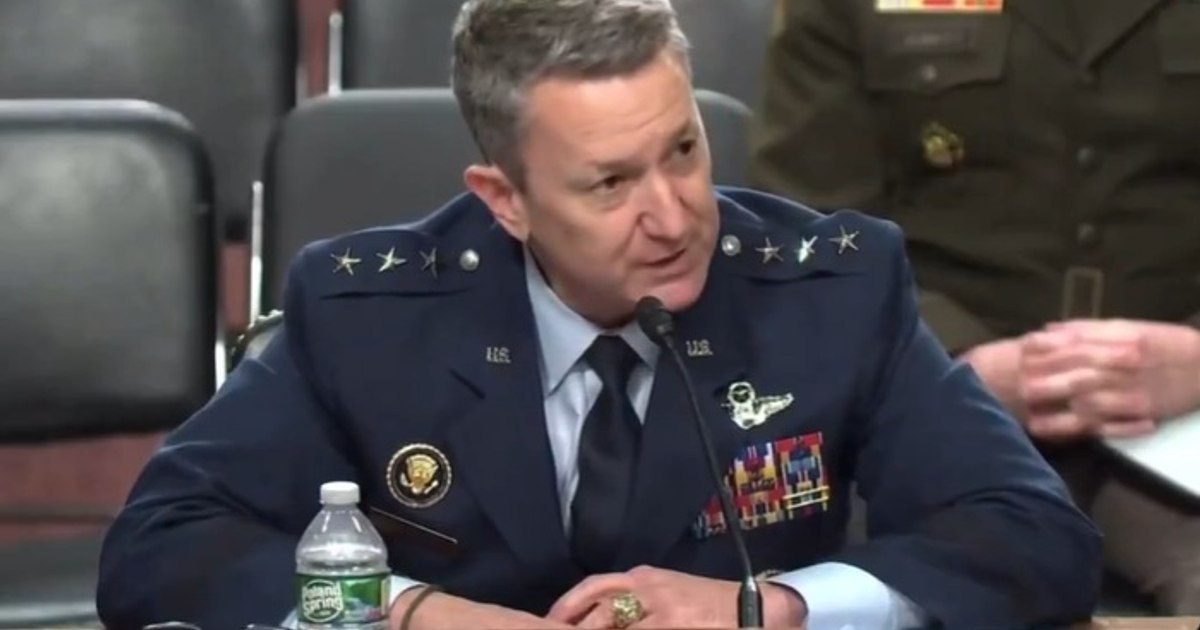
Dan Caine, Chairman of the Joint Chiefs of Staff of the US Army/PHOTO:X
The warnings came mainly from General Dan Caine, chairman of the US Army's Joint Chiefs of Staff, in internal discussions at the Defense Department and at National Security Council meetings. According to sources, other Pentagon leaders have expressed similar concerns, writes The Wall Street Journal.
Officials stress that such assessments are part of the standard process of planning military operations, in which military leaders provide conservative estimates of possible human casualties and strategic costs.
From limited strikes to extended air campaign
The options under consideration range from initial pinpoint attacks to a multi-day air campaign that could aim to destabilize the regime in Tehran. All scenarios carry risks, but a prolonged operation could have significant consequences for US forces, including US and allied casualties, depletion of ammunition stocks and overstretched troops.
Another cause for concern is Iran's ability to retaliate. A prolonged conflict could affect the defenses of US regional partners, and heavy use of air defense systems would deplete limited stocks of essential munitions, such as interceptors for the Patriot, Thaad systems or SM-3 missiles. Officials warn that this could also affect preparations for a possible future conflict with China.
The United States has concentrated in the Middle East the largest deployment of air forces since the 2003 Iraq war, including an aircraft carrier-centered battle group. A second US aircraft carrier is currently in the Mediterranean.
The White House said General Caine provides “unbiased” assessments and that the president makes the final decision. Trump later wrote on his social media platform that while no one wants war, an eventual military confrontation with Iran could be “easy to win.”
Parallel negotiations
At the same time, the US administration is continuing negotiations with Iran on a possible deal that would limit Tehran's nuclear program — which Iranian leaders say is exclusively for civilian purposes — and curtail ballistic missile development and support for regional groups such as Hezbollah and Hamas.
A new round of talks is scheduled in Geneva, where Iran is set to present its position to US peace envoy Steve Witkoff and Jared Kushner.
Iran has threatened severe retaliation in the event of a US attack. Supreme Leader Ayatollah Ali Khamenei recently said his forces could sink a US warship.
Vulnerabilities and pressures on the military
In the event of an attack, American pilots could be exposed to Iranian air defenses during several successive raids. Iranian missiles could also target US bases in the Middle East or urban centers in Israel, as has happened in previous confrontations.
Some officials believe Iran would use all available resources to protect its regime, while the US would have enough interceptors to withstand intense missile barrages for only about two weeks.
To bolster defenses, Washington has sent additional Thaad and Patriot systems to Jordan, Kuwait, Qatar, Saudi Arabia, Bahrain and Israel. The US Navy has also deployed 13 guided-missile destroyers to Middle Eastern and Mediterranean waters.
Recent experiences have highlighted the strains on US military capabilities. During Israel's defense against Iranian attacks last year, the stocks of interceptors were seriously affected. At the same time, a nearly two-month campaign against Iran-backed Houthi rebels in Yemen has put ammunition stocks to the test.
Navy officials also drew attention to the extended mission duration of the USS Gerald R. Ford aircraft carrier, which has been at sea for nearly 11 months, which would represent the longest continuous deployment for a US warship. In the past, overworked crews have been associated with operational errors and incidents.
An eventual military campaign against Iran could become one of the most complex and risky operations launched by the Trump administration, with the potential to draw the United States into a wider conflict in the Middle East, the WSJ notes.