PHOTO Mimmo's story: How a solitary dolphin came to teach adaptation lessons to the people of Venice

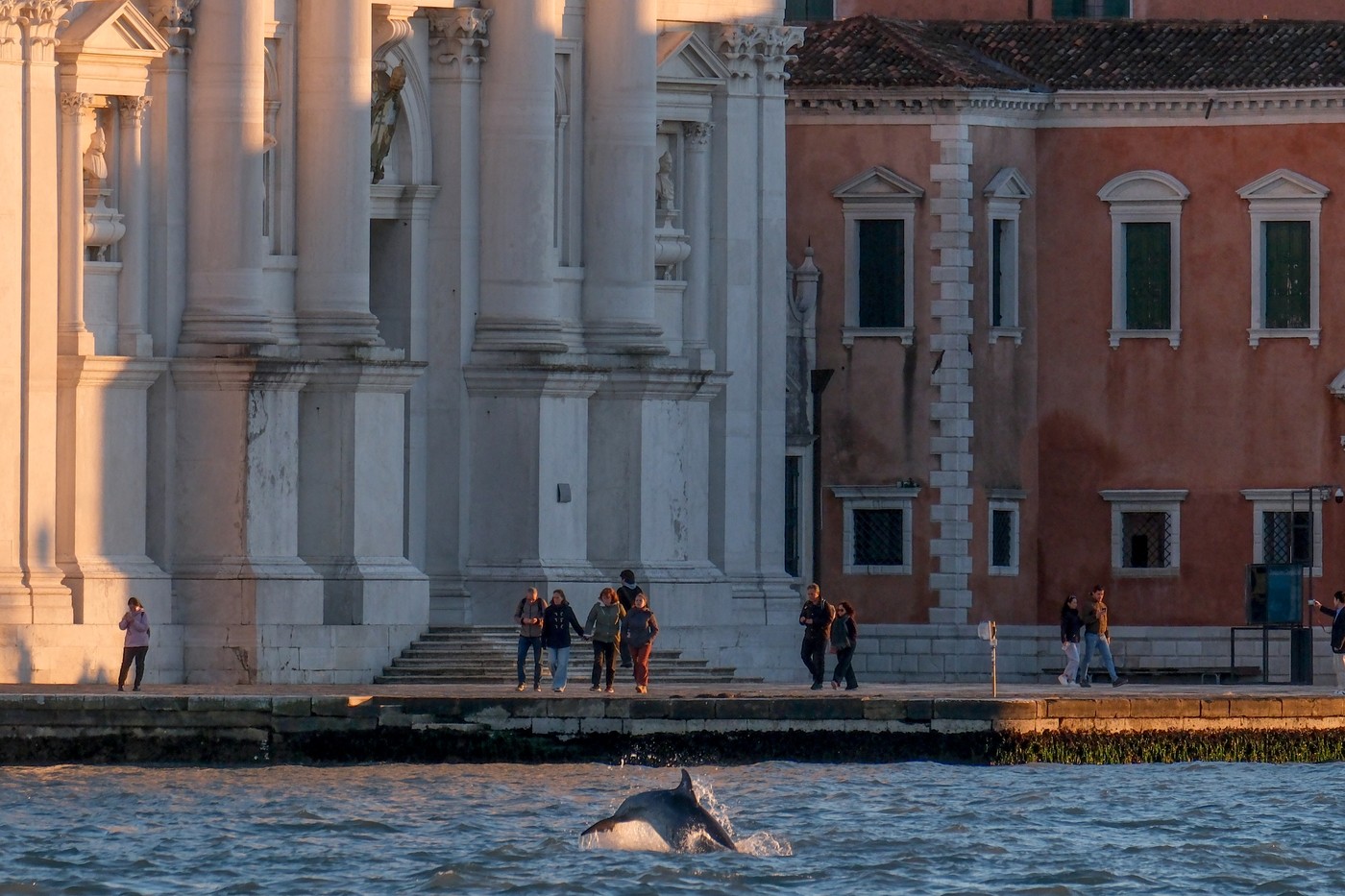
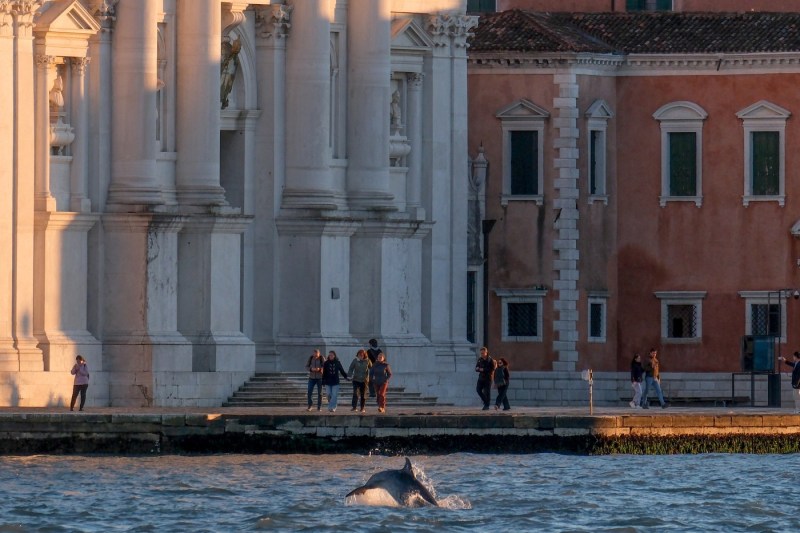
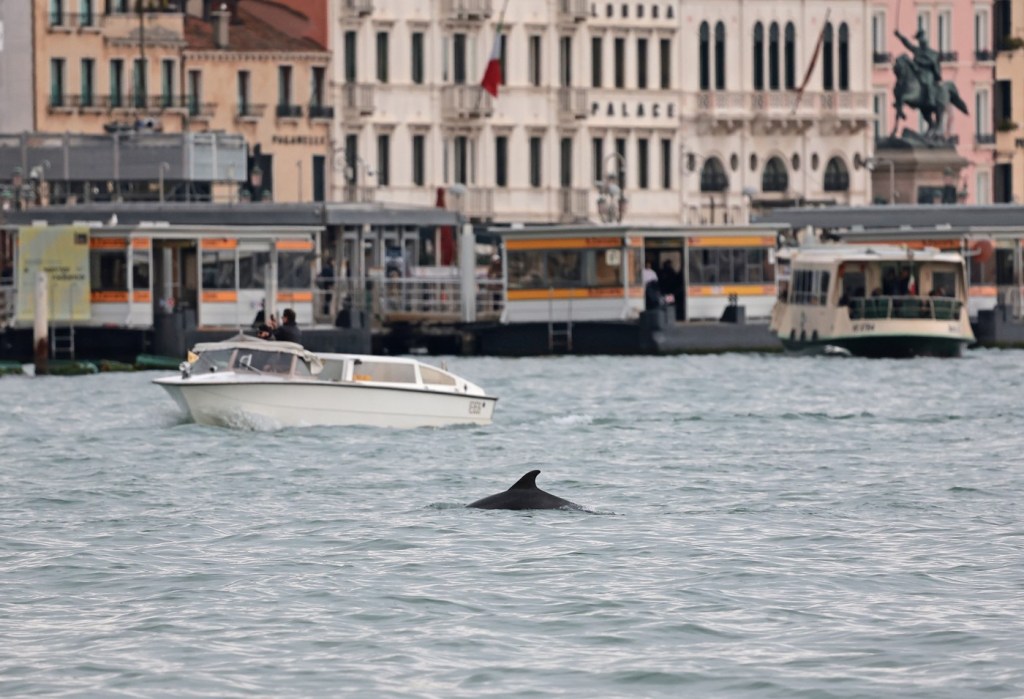
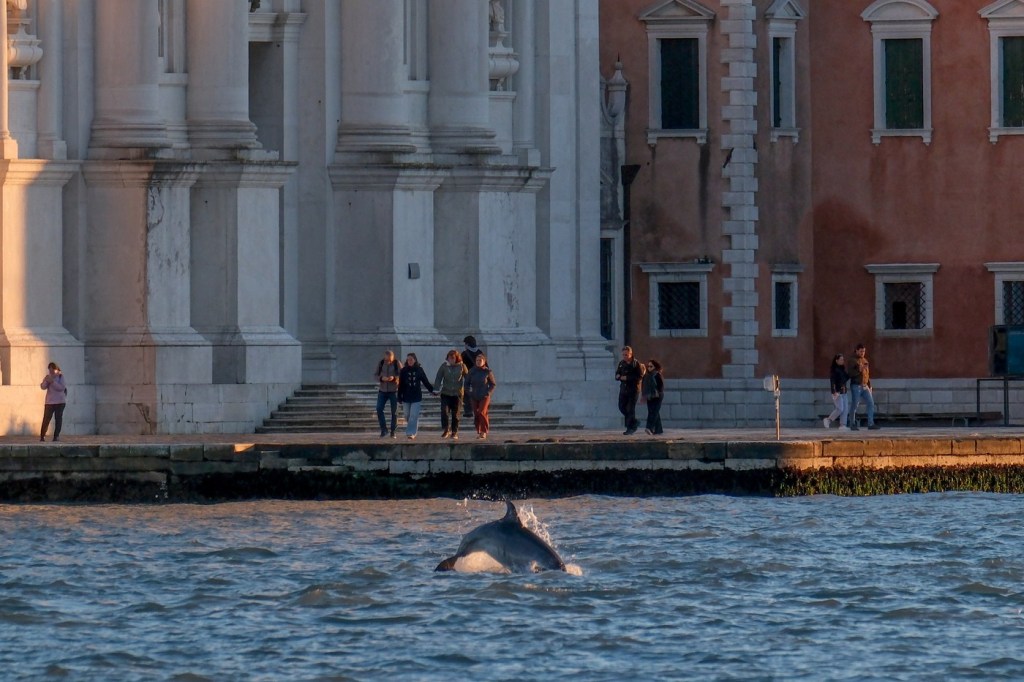
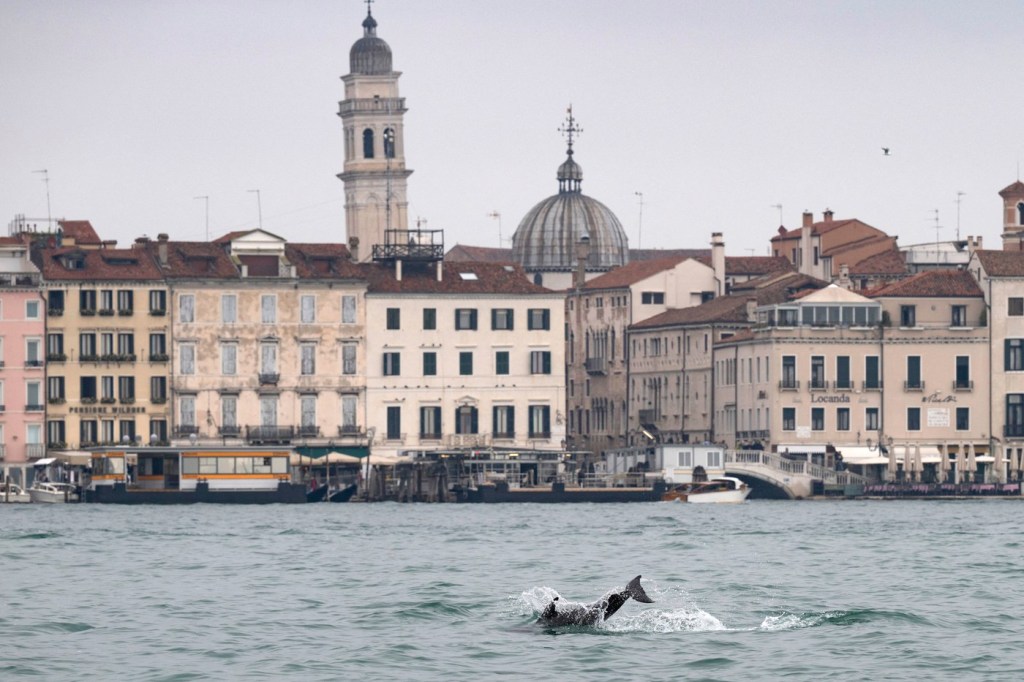
Mimmo the dolphin in the lagoon of Venice. Credit line: SirioPx / SplashNews.com / Splash / Profimedia
Italian researchers warn that human activity and ship traffic in the Venice lagoon must be strictly monitored for the safety of Mimmo, a solitary dolphin that has settled in the area, according to The Guardian.
Mimmo, a bottlenose dolphin, first appeared in the Venice lagoon last June and quickly became an attraction for tourists and locals with his acrobatic jumps.
However, a team of researchers from the University of Padua points out that, although the mammal has adapted well to the city's waters, humans are the ones who need supervision.
Animal and environmental activists have started a campaign to 'save Mimmo', fearing he could be killed by the propellers of boats traversing the busy lagoon.
Mimmo's dolphin monitoring was recently detailed in a study published in the journal Frontiers in Ethology. The paper's lead author, Guido Pietroluongo, said the team's observations documented the animal's “remarkable adaptation to an unusual context.” At the same time, the expert emphasized “the need to manage human behavior to ensure its well-being”.
Bottlenose dolphins are common in Italian waters and usually live in groups. However, in recent years, several solitary specimens in the Adriatic Sea have left their group to settle in coastal or urban areas.
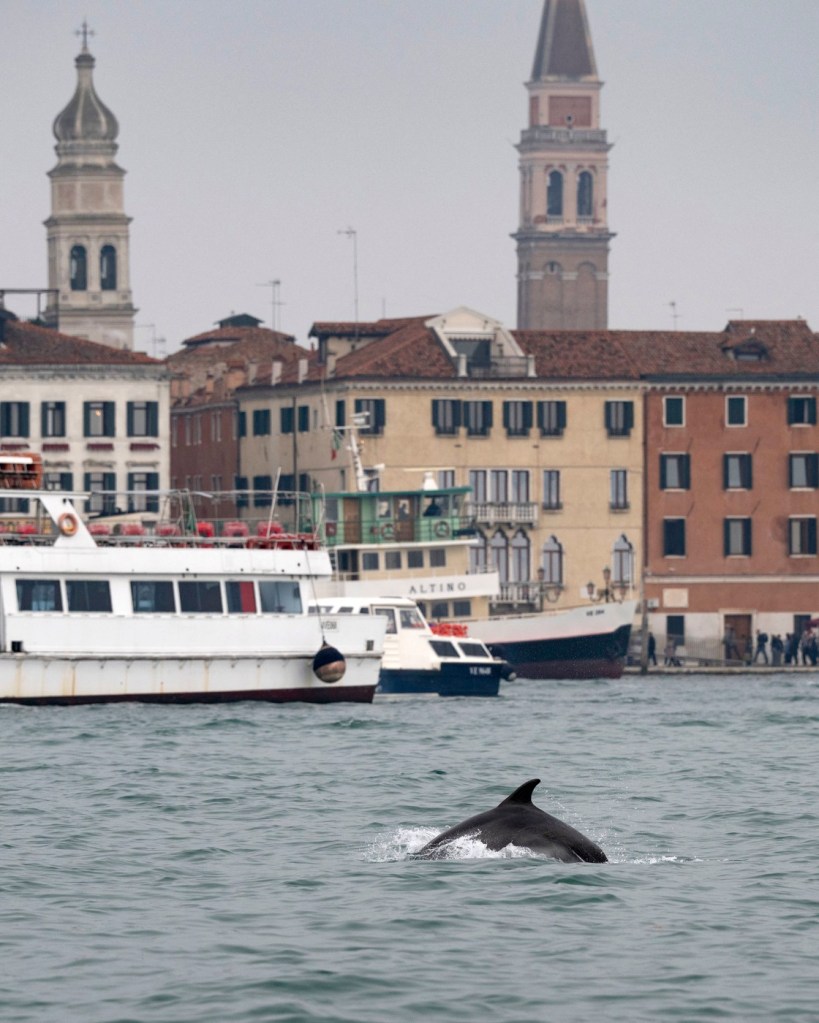
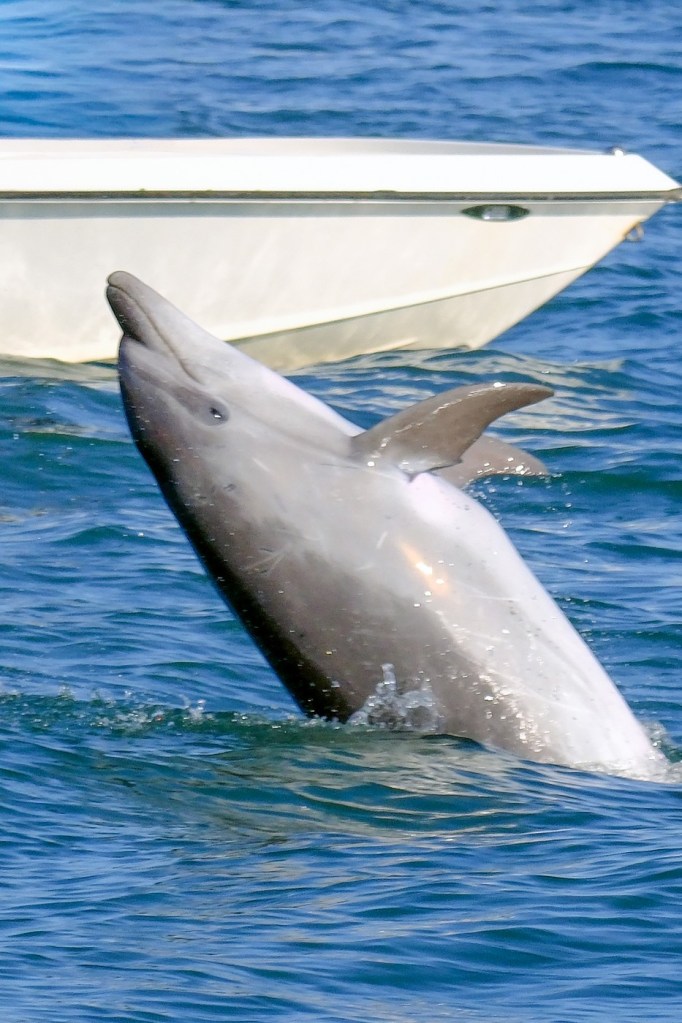
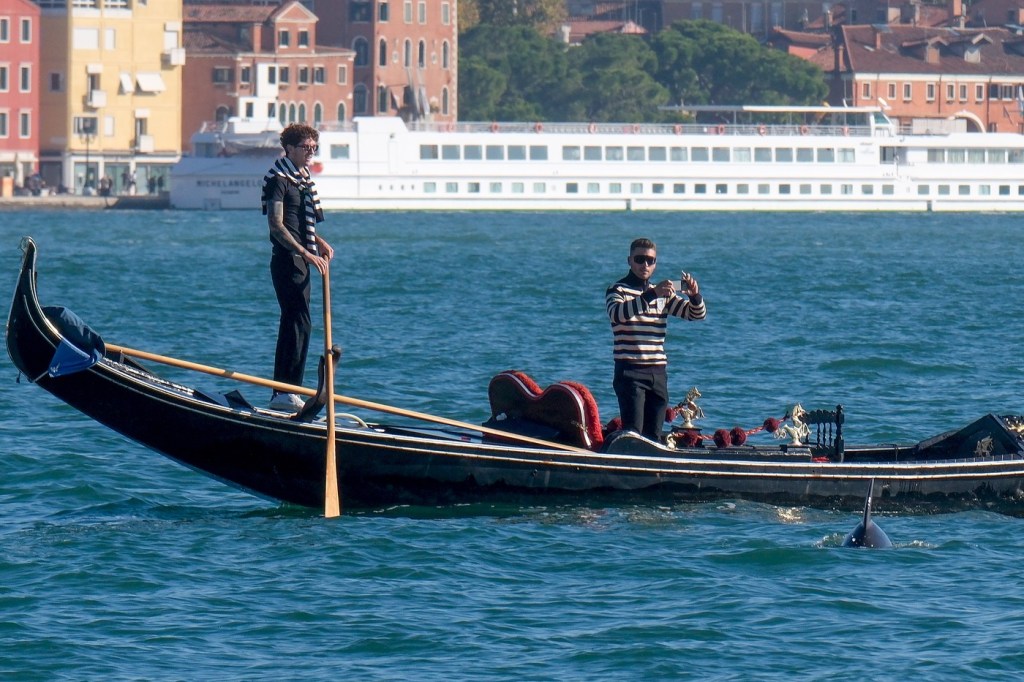
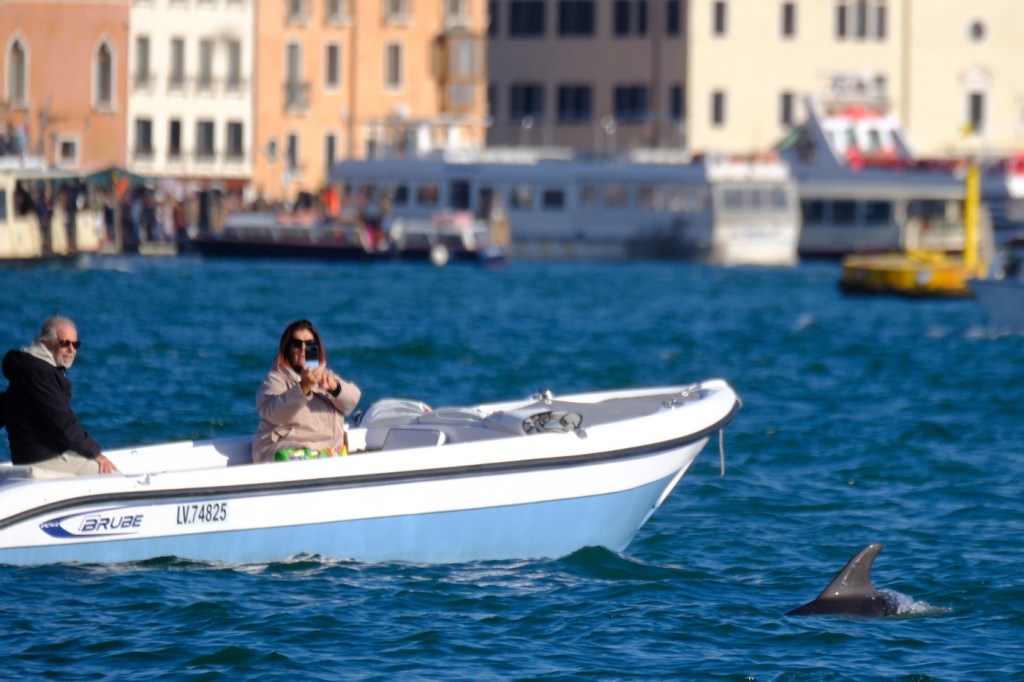
Mimmo was first spotted by Manuel Tiffi, a water taxi driver, last summer. He said the dolphin often swam “right in front of the bow” and did not seem to have any fear of humans.
Since then, scientists have followed the dolphin every week from boats, with the support of the authorities and citizens of Venice, and noted its movement from the southern end of the Venetian lagoon to the northern end, where it remains today.
“The sighting of bottlenose dolphins in urban areas is not particularly surprising as they are highly adaptable and opportunistic marine mammals,” Pietroluongo said, adding that “Mimmo appears healthy and is regularly spotted feeding on mullet.”
Although Mimmo's behavior is considered typical of its species, researchers warn that the greatest risk comes from inappropriate human attitudes and irresponsible boating.
“What is really unusual is not the presence of the dolphin, but the persistent difficulty people have in respecting such animals today,” said Giovanni Bearzi, who has been studying dolphins in the Adriatic Sea for four decades.
The expert pointed out that although dolphins have accompanied maritime activities for millennia, “we are still struggling to coexist with them adequately”.