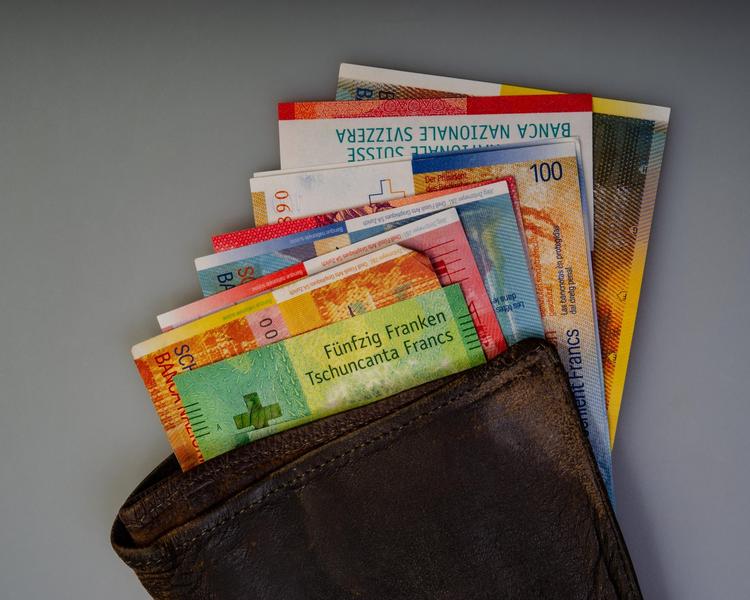
Swiss francs, Photo: Andriy Solovyov / Alamy / Profimedia Images
Switzerland is preparing to include the use of cash in the Constitution, and in March will hold a referendum, given that the population supports the continued existence of physical money, despite the large-scale transition to digital payments, writes Bloomberg, according to Agerpres.
The idea has the support of about 60 percent of voters ahead of the referendum scheduled for March 8, two separate polls by Swiss radio station SRG and the Tamedia/20 Minuten media group show.
The Swiss have long distinguished themselves from other countries by the idea of using cash, although its use has declined in the past decade. In 2024, debit cards will overtake banknotes and coins as the most used payment method, according to a survey by the Swiss National Bank.
At the polls next month, the Swiss will have to choose between a proposal put forward by activists for the use of cash and an alternative proposal from the Government. Both imply the inclusion of cash in the Constitution and differ only in details. The government version has slightly more support.
Voters will also vote on a proposal to eliminate a tax provision that disadvantages couples where both spouses have income, popularly known as the “wedding penalty.” After the first polls showed that the entire population is in favor of this proposal, support has now shifted only to the left and liberal parties. Support has fallen to just over 50%, polls show.
Currently, the Swiss tax system favors couples where one partner, often the husband, earns significantly more than the other or where only one partner works. In turn, the burden on couples earning similar wages often increases when they marry, as they are assessed on their combined incomes. This affects around 670,000 couples.
The Swiss will also vote on a proposal to cut taxes that fund public radio and increase spending on climate change. Polls show that both will most likely be rejected.