According to Mexican and American sources, this criminal empire operated like a diversified holding company, and El Mencho's private assets were only a fragment of a huge network generating revenues in the amount of billions of dollars a year.
The rest of the text below the video
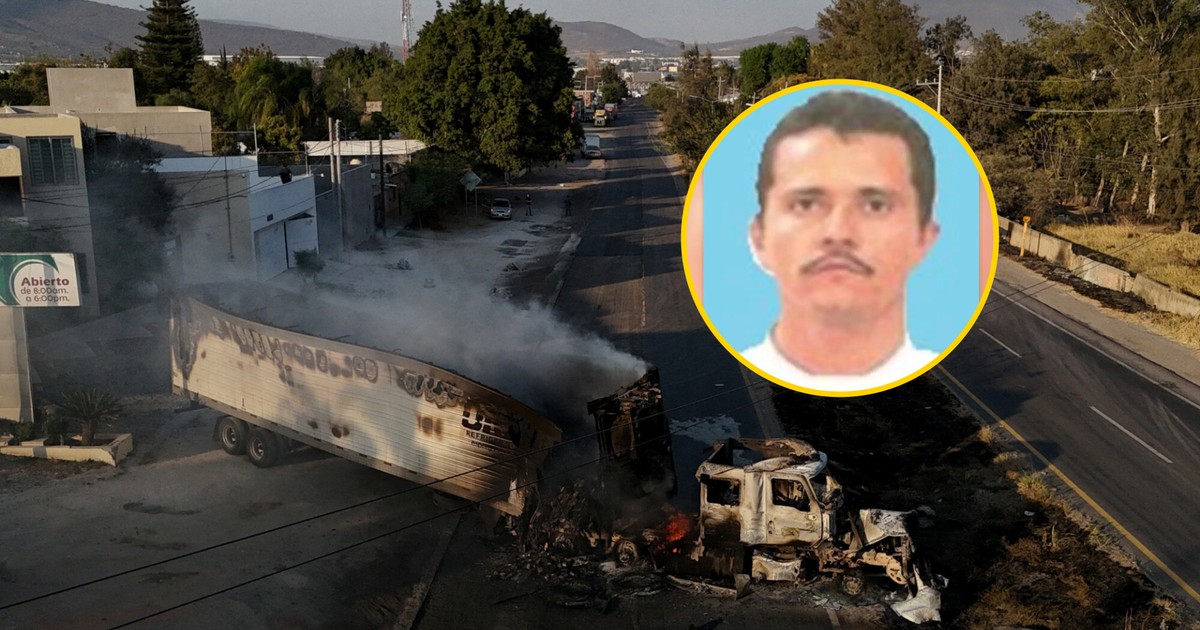
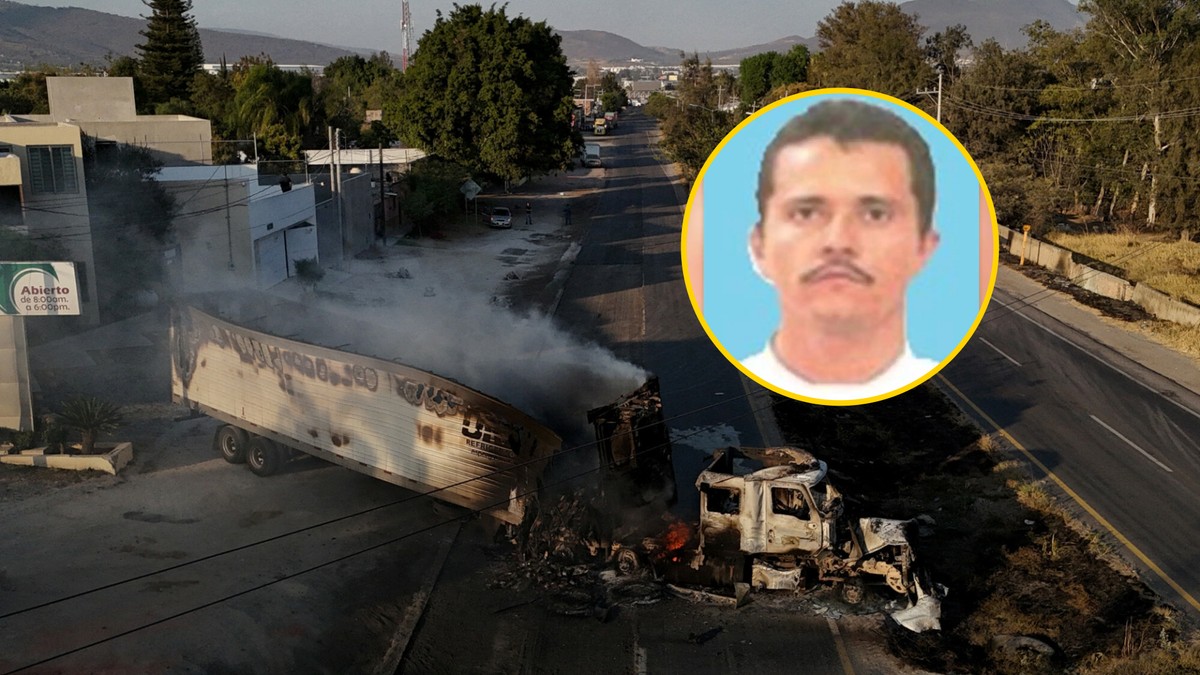
Let us recall: during a manhunt, the Mexican government (with the help, as it turned out, of the White House) killed a powerful drug cartel boss known as El Mencho. In response, members of his cartel, the CJNG, retaliated, throwing much of the country into chaos. We wrote about the situation in Mexico in Business Insider Polska.
And what financial position did the cartel and its former leader achieve?
The CJNG empire and its global expansion
According to the American think-tank InSight Crime, CJNG has built a presence in dozens of countries and has become one of the fastest-growing criminal organizations in Latin America, controlling key drug smuggling routes into the US. Mexican “El País” describes that after El Mencho's death, the stakes in the struggle for influence are not only territories, but also billions of dollars in revenues from synthetic drugs, cocaine and methamphetamine smuggling.
Read also: What does Mexico's economy support? You may be surprised
El Mencho's personal estate
The money around samgio El Mencho was huge – according to the Mexican daily “Milenio”, the reward offered by the US for information leading to his arrest was $15 million, which indicates the rank of the criminal and the scale of his financial influence. Mexican sources indicate that Osegera's private fortune was estimated at $500 million – $1 billion, including real estate, luxury vehicles and companies related to tourism.
Read also: USA-Mexico match. They are supposed to fight drug cartels together
Revenues of the Mexican CJNG cartel
As Mexican “El Financiero” writes, CJNG generated billions of dollars annually, with key sources of revenue from trafficking in fentanyl, methamphetamine, cocaine and marijuana. Global demand for synthetic opioids provided the cartel with extreme profit margins. The Mexican “Infobae” emphasizes that thanks to the control of routes and regional domination, CJNG has overtaken the well-known Sinaloa cartel in terms of influence and organizational structure.
The cartel did not limit itself to drugs. According to the Mexican “El País”, The U.S. Treasury has sanctioned 17 CJNG-linked companies in Puerto Vallarta and Nayarit for timeshare fraud (i.e. aggressive sales methods, concealing additional fees and unrealistic promises) with losses amounting to approximately USD 300 million. According to FBI reports, such operations provided the cartel with an additional, stable stream of cash.
Money laundering and investment in the legal economy
As “La Jornada” writes, CJNG also invested heavily in legal businesses, real estate and the tourism sector to hide and multiply its funds. The US Treasury Department also pointed to Los Cuinis, another criminal organization, as the financial backing of the cartel. In Mexico, the Unidad de Inteligencia Finanpiera (Mexican service) blocked linked bank accounts and monitored money flows.
It is worth adding that apart from drug crimes, there were also other crimes. Kidnappings, extortion and fuel theft were other sources of the cartel's current operating liquidity, as described by the “Animal Político” portal.
Financial balance of the cartel
As you can see, CJNG generated revenues in the billions of dollars annually. Sources point to business diversification, control of the global drug market, financial fraud, investment in the legal economy and additional revenues from organized crime. It is one of the most profitable informal “corporations” in the world.