America's elite troops, hardened in the war on terrorism, are training for combat in the Arctic


Near the Arctic Circle, in a pine forest in northern Sweden, a team of 12 members of the American Special Forces — known as the “Green Berets” — trudges forward on skis, pulling sleds loaded with equipment behind them. For soldiers accustomed to the deserts and jungles of the Middle East, the new enemy is the extreme cold.
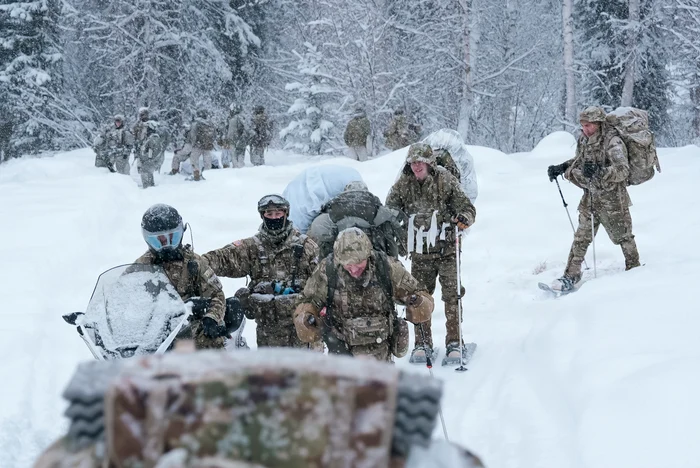
American troops, training in the Arctic/FOTO:X
For ten days, a reporter from The Wall Street Journal trained with the team during an intensive three-week program in northern Sweden. Almost 100 soldiers from NATO allied countries are participating in this war course in sub-Arctic conditions.
Temperatures have steadily dropped to around minus 30 degrees Celsius. Under these conditions, minor mistakes can have serious consequences. An American soldier was pulled from the course after developing a severe toe infection, and a European soldier was hospitalized, risking losing two toes, after failing to change his wet socks.
A new strategic frontier
The strategic importance of the Arctic is growing. As global warming opens new sea and trade routes, Russia and China are increasing their presence in the region. Moscow has been expanding its military infrastructure in the Arctic for decades, while Western militaries have focused on anti-terrorist operations or scaled back capabilities after the Cold War.
“We have been experts in counterinsurgency and conventional and unconventional warfare for the past 25 years. The same cannot be said for the Arctic,” said Ryan P. Burke, a professor at the US Air Force Academy.
For NATO military planners, the frozen north could become a central theater in the event of a confrontation with Russia — the only Arctic state outside the alliance.
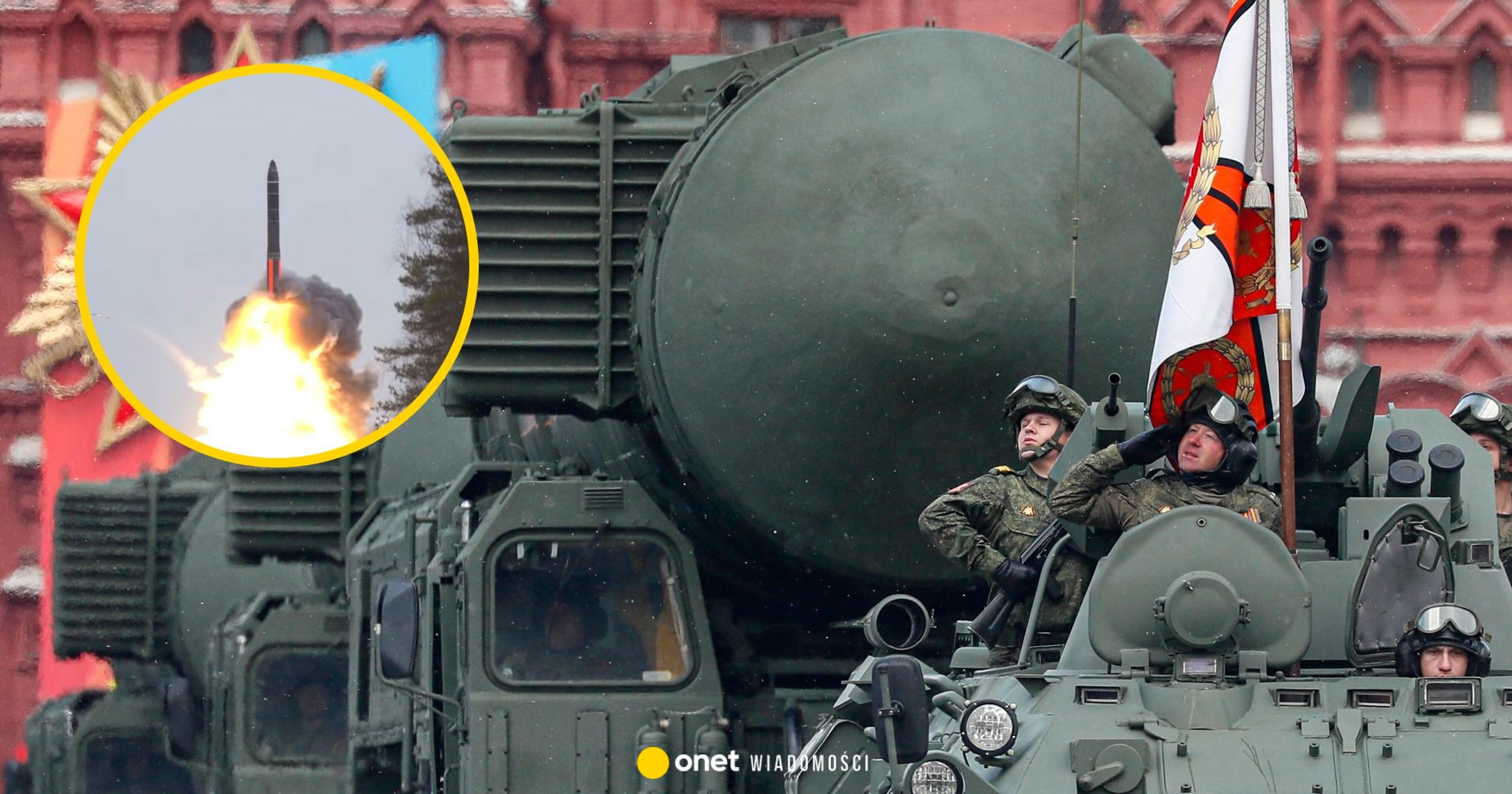
The Kola Peninsula is home to a large part of the Russian fleet of nuclear submarines and icebreakers. Also, the shortest trajectory for ballistic missiles launched from Russia to North America crosses the Arctic. In Northern Europe, fears center on a possible land invasion, given Russia's extensive border with Finland and Norway.
An unforgiving environment
In northern Sweden, winter does not hinder military operations — on the contrary, it can facilitate them. The region, dotted with rivers and marshes, becomes more accessible once it freezes.
But the environment is extremely harsh. Without skis, the soldiers sink up to their knees in the snow. An object dropped in the trash is practically lost. Direct contact with frozen metal can cause severe injury in just minutes.
At each break, the soldiers quickly put on thick clothes to keep the heat accumulated during the movement. Sweating can be dangerous at minus 30 degrees — humidity accelerates hypothermia.
“In the jungle, everything tries to kill you, but you can eat almost anything.” said one of the NCOs. “You have nothing here.”
The caloric consumption is huge: in such conditions, a soldier can burn more than 7,000 calories a day even with moderate exertion.
Lessons from the past, challenges for the future
The US military has also learned winter combat techniques from northern partners. The 10th Mountain Division, a light infantry unit, was inspired by the Finnish ski troops that resisted the Soviet invasion in the 1939 Winter War.
In the past decade, the number of trainees at the Swedish subarctic training center has increased sevenfold. About half are American.
Recently, NATO launched the Arctic Sentry initiative to better coordinate activities in the polar regions. In March, US troops will participate in the Cold Response exercise in Norway, along with more than 20,000 allied soldiers.
Experts say the risk of direct conflict in the Arctic remains low, but strengthening the Western presence is essential to maintain stability.
“If NATO neglects the Arctic and does not develop these capabilities, we could see more tests from Russia,” warned Rebecca Pincus, a security policy analyst.
For American troops, the bottom line is clear: the physical and mental toughness that has defined them in the Middle East theaters of operations must be adapted to a new kind of front. In the Arctic, will is not enough. The cold does not negotiate.