The little baby monkey, abandoned by its mother, who won the hearts of netizens. His best friend is a plush toy

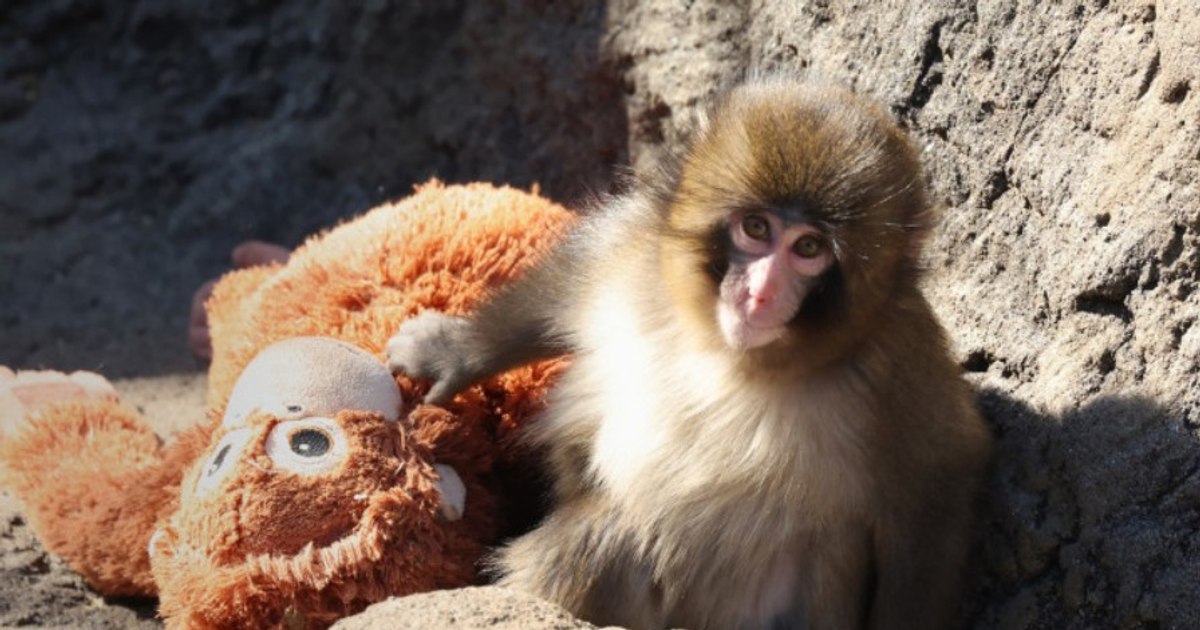
A seven-month-old Japanese monkey named Punch has taken the internet by storm after being abandoned by his mother and finding solace in a stuffed toy.
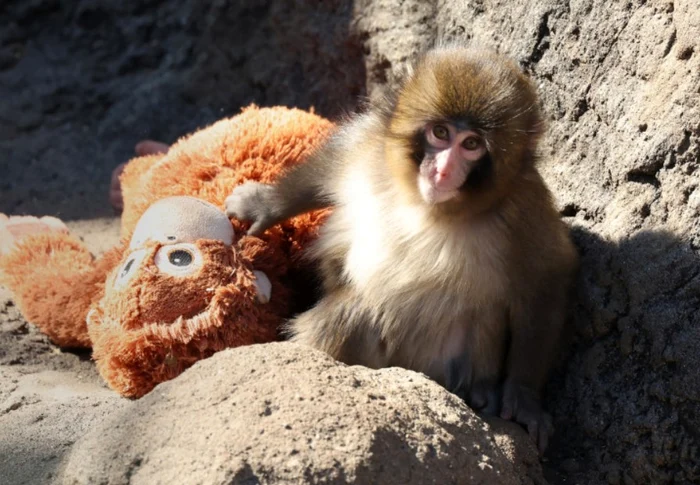
Punch and his plush toy PHOTO: Profimedia
Footage of Punch being watched by other monkeys as he clutches the stuffed toy has gone viral. Caregivers gave him the toy after other methods failed.
“Japanese macaque cubs cling to their mother's body after birth to develop their muscles and for safety. Punch had nothing to cling to.” explains Kosuke Shikano, his caretaker, according to The Guardian.
Experts say maternal abandonment is uncommon, but can occur in young mothers or during stressful conditions such as heat waves.
“Punch's mother was in her first birth and the environment was stressful. Sometimes mothers prioritize their own health and the future survival of the species,” says Alison Behie, a primatology expert at the Australian National University.
The behavior of the other monkeys is not considered abnormal, but is part of the strict matrilineal hierarchy of the species. Without his mother, Punch is at risk of not learning the subordinate responses necessary for group integration, which could affect his long-term adjustment.
The zoo has reported an influx of curious visitors, which is why additional barriers have been installed and advisories have been issued regarding visiting the enclosure.
Experts warn that while Punch's story raises awareness, baby monkeys are not pets and must stay with their species to develop healthily.
“However, we hope that the millions of likes and attention will not exacerbate the problem of the illegal trade in monkeys for the exotic pet market, just because everyone thinks baby monkeys are cute and would make great pets. Monkeys grow up fast, Punch will be an adult in four years, and then people will no longer find them cute. Monkeys belong to other monkeys. They are social creatures and need to be with their own species to thrive mentally and physically.” said Carla Litchfield, a conservation psychologist at the University of Adelaide.