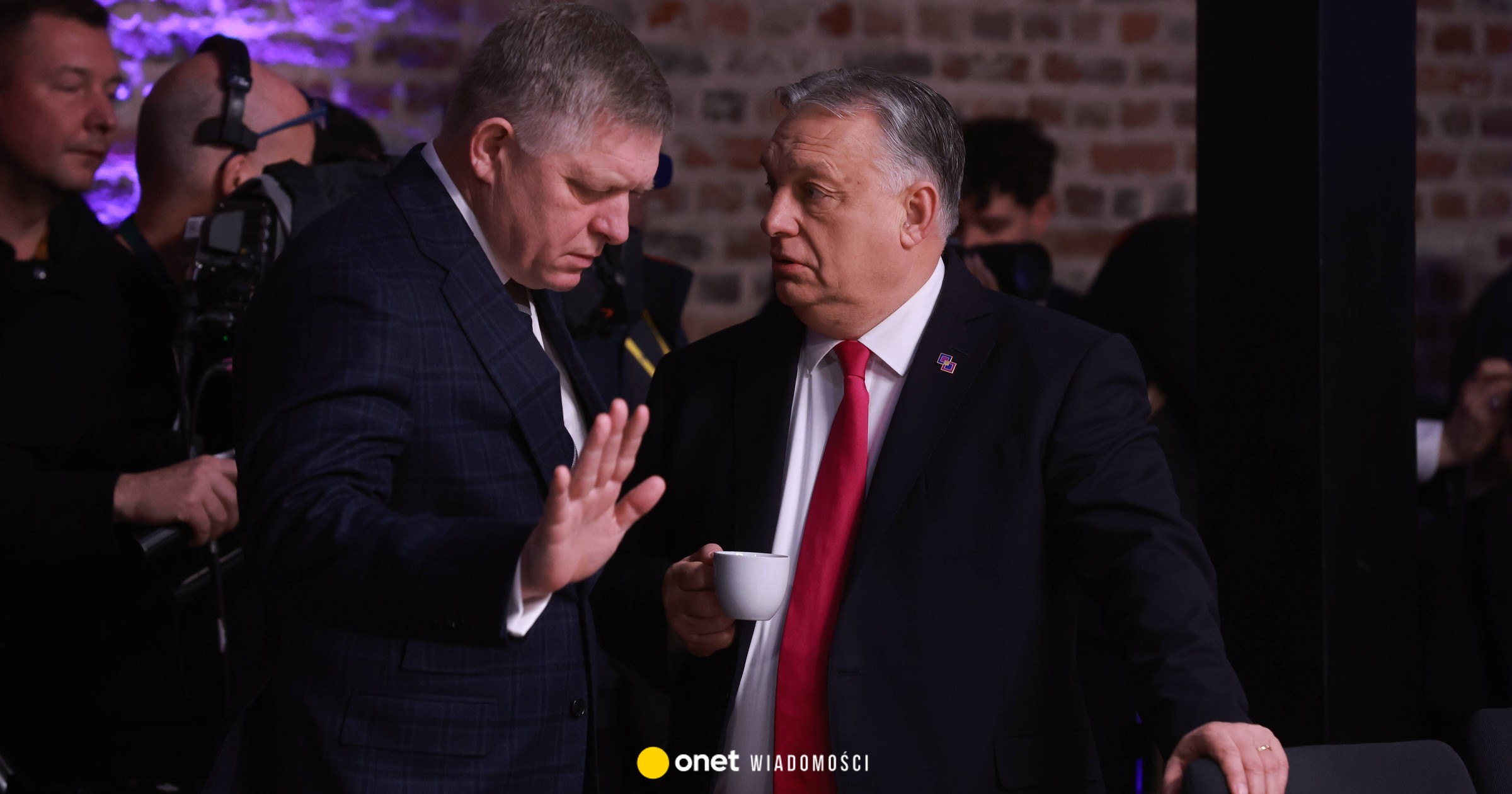
Robert Fico knows perfectly well why he did not comment on the fact that Russian oil has not been flowing to us for three weeks. This is on his conscience because he decided to supply black gold from a country that is at war. Every sensible politician who is not also a pro-Russian fanatic will choose the most stable country for supplies of strategic raw material, without which even a car wheel will not move.
That is, (it will choose a country as a trading partner) one in which there is almost no theoretical possibility that the enemy will try to destroy it by blocking the supply of its most valuable export commodity. That's why sensible politicians are most likely to choose Norway as an oil supplier, which is a perfect example of a country that cares about its peaceful image and has no conflicts in foreign policy. Therefore, any sensible politician without pro-Russian blinders stays away from Moscow, which is dependent on the export of its oil.
When Robert Fico decided to comment on the oil crisis, he obviously did not intend to defend himself. No, he covers the butter in his head with a battle helmet, takes a sword in his hand, and puts poisonous saliva on his tongue. And without blinking an eye, he points to the guilty country (Ukraine) where the Russians bombed the pipeline through which their strategic raw material flows to the West.
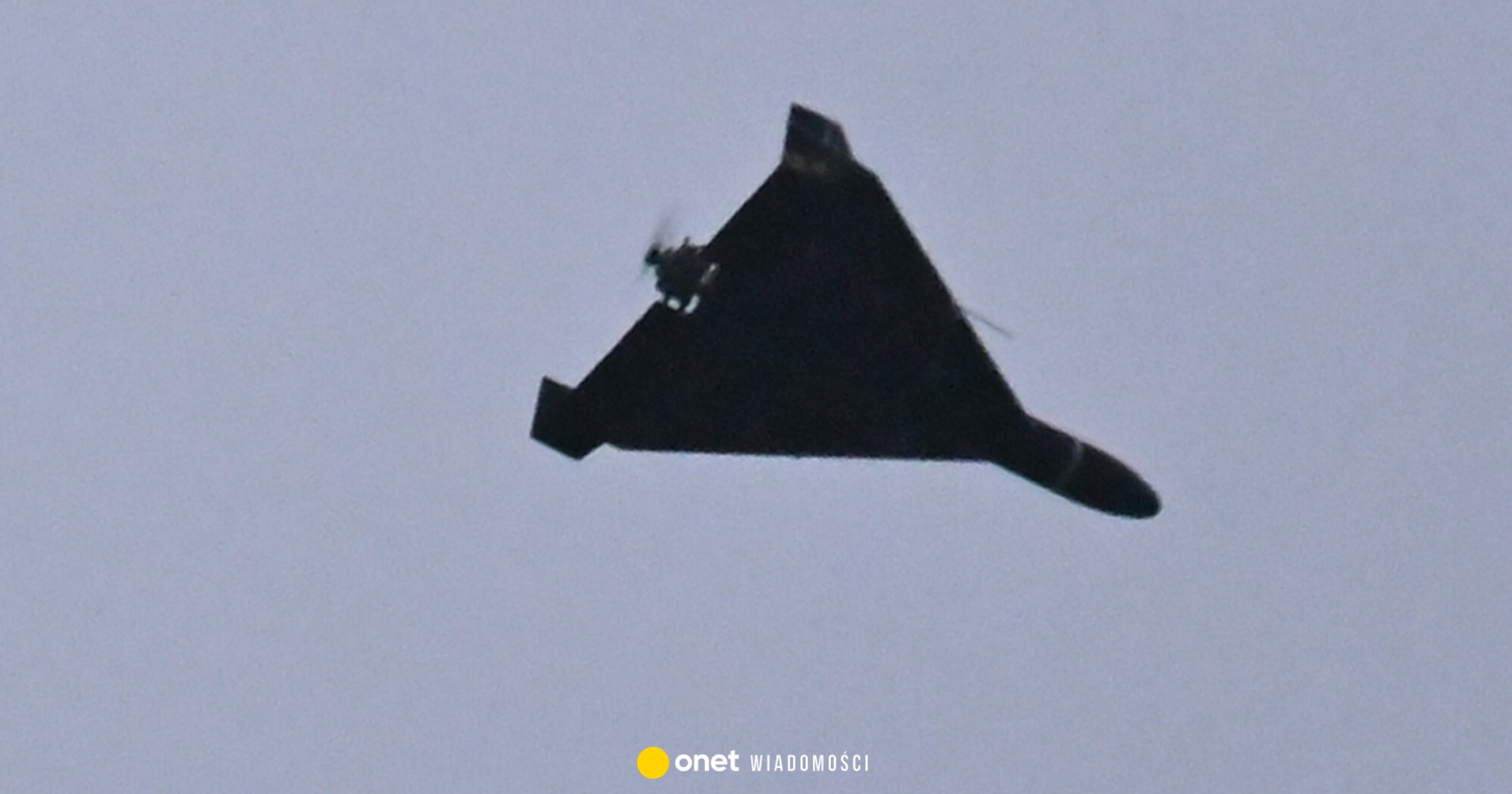
The muzhik (a backward peasant in old Russia) sent by Putin entered the enemy's infrastructure while drunk, wiped his dirty hands and is waiting for his 30 pieces of silver from Putin. This time, however, it not only damaged the Ukrainian pipeline (“Friendship”), but above all Russia's ability to deliver oil to the West. Of course, this Putin muzhik could not have predicted such consequences, even if he had been sober.
But neither does the Slovak Prime Minister, who blames Ukraine for the entire situation. In short, a pro-Russian fanatic.
The article continues below the video
We are begging Putin to support Orban's venture
Slovakia's problem is that this was not the first wrong decision of the Slovak prime minister. Allowing the purchase of Slovnaft (a Slovak refinery company) by the Hungarian company MOL was indeed a decision of (former Slovak Prime Minister) Mikulas Dzurinda, but it was made in completely different foreign policy realities than those that prevail today. At the time, Hungary was a predictable country fully integrated with the EU and NATO, and (Viktor) Orban was valued by the West as a politician for his almost unlimited commitment to democratic political values.
Since then, the situation has changed radically, and Prime Minister Fico forgot to react to this change. As a result, we have a situation in which we, Slovaks, are trying to obtain oil from Russia for a Hungarian company. So we are trying to ensure that the oil is received by the refinery, which is decided by the Hungarian government, which is trying to take Felvidek (this is the historical geographical name of the territory belonging to Slovakia and inhabited by Hungarians) from Slovakia.
Ultimately, we are begging for this oil from a power that is capable of militarily ensuring that Felvidek actually falls to Hungary – because we are dependent on the common sense of this drunk Putin muzhik in a Russian uniform not to bomb the Ukrainian pipeline. Total political schizophrenia.
Prime Minister Robert Fico should start solving this problem. If he is able to point out on TV our intelligence service, which he believes is spying in the Ukrainian Brody and has better information from there than the whole world, it will certainly not be a problem for him to figure out how to take over such a strategic enterprise as Slovnaft again.
And by the way, we should stop relying on this mighty Russian oak, which is at odds with almost everyone. Because if someone hits it, it will crush us.
I’m Ashley Davis as an editor, I’m committed to upholding the highest standards of integrity and accuracy in every piece we publish. My work is driven by curiosity, a passion for truth, and a belief that journalism plays a crucial role in shaping public discourse. I strive to tell stories that not only inform but also inspire action and conversation.