Trump Defies Supreme Court: Signed New 10% Global Tariff Just Hours After Judges Blocked His Tariffs


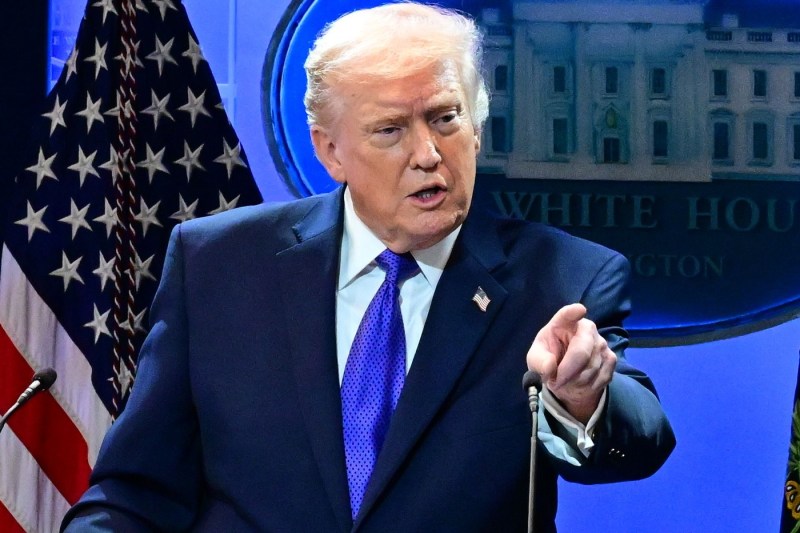
Donald Trump. Credit line: Kyle Mazza / Shutterstock Editorial / Profimedia
US President Donald Trump has slammed the Supreme Court justices who blocked his tariffs, calling them “a disgrace to the nation”. He later formalized the imposition of a 10% tax on all imports globally, according to The Guardian.
The US Supreme Court on Friday struck down sweeping tariffs imposed by Trump under a national emergency law, rejecting one of the most controversial claims of the US president's authority.
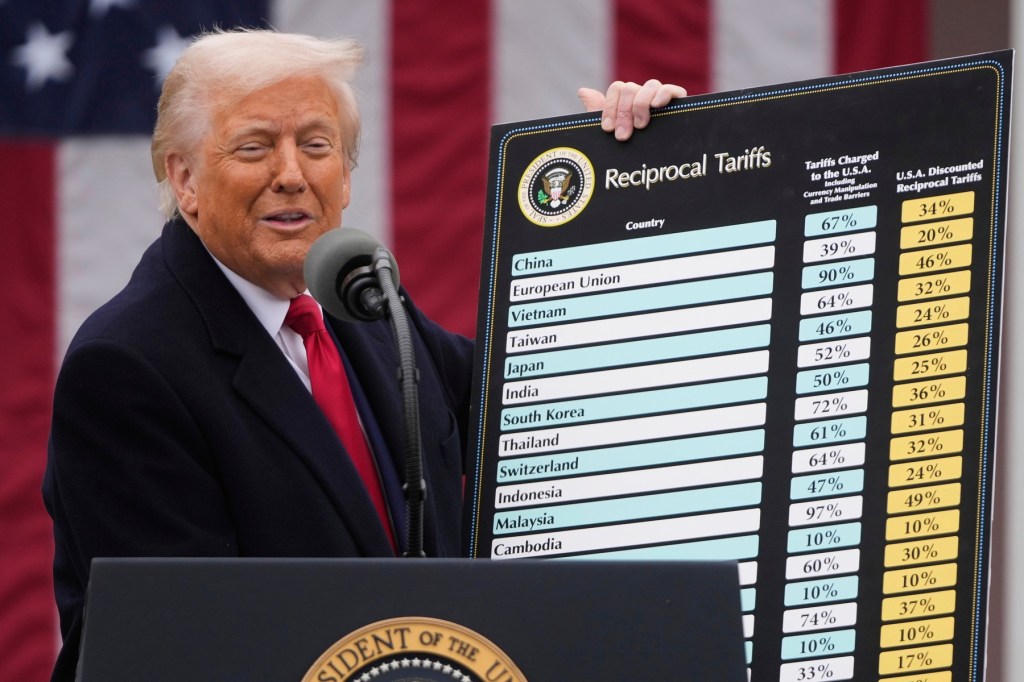 Blow for Donald Trump. The US Supreme Court has struck down tariffs imposed on countries around the world
“The Supreme Court's ruling on tariffs is deeply disappointing and I am ashamed of certain members of the court for not having the courage to do what is right for our country,” Donald Trump immediately reacted.
On Friday evening he announced on Truth Social: “It is a great honor for me to have signed, from the Oval Office, a global 10% tariff for all countries, which will go into effect almost immediately.” The tax will come into effect on February 24.
Minutes later, the White House released a fact sheet explaining that Trump had signed a proclamation “invoking his authority under Section 122 of the Trade Act of 1974” to impose “a temporary import duty.”
The Congressional Research Service, which provides legislative research and analysis to lawmakers, explained that: “Section 122 of the Trade Act of 1974 requires the President to take action that may include a temporary import surcharge (tariff) when necessary to remedy 'large and serious deficits in the balance of payments of the United States' or certain other situations presenting 'fundamental problems of international payments.'
Section 122 has never been used and therefore the courts have had no opportunity to interpret its text. Some voices have noted that this provision appears to authorize the president to impose blanket tariffs on imports under certain circumstances.
But there are clear legal constraints: the tariff measures taken by the president are capped at a maximum of 15% and can be maintained for a period of no more than 150 days.
Canada and Mexico will be exempt from the new temporary tax under the North American trade pact, the White House said. Certain foods, such as beef and tomatoes, as well as essential minerals are also exempt.
“I wanted to be a good boy,” Trump said, describing his relative reticence to impose tariffs under the International Emergency Economic Powers Act. Trump said the tariffs under Section 232 of the Trade Expansion Act of 1962 and Section 301 of the Trade Act of 1974 would remain “in force and in full effect.”
During remarks at the White House, Trump said, “In my opinion, the court has been influenced by foreign interests and a lot less political movement than people would think.” When asked about evidence of foreign influence on the Supreme Court, Trump replied, “You're going to find out.”
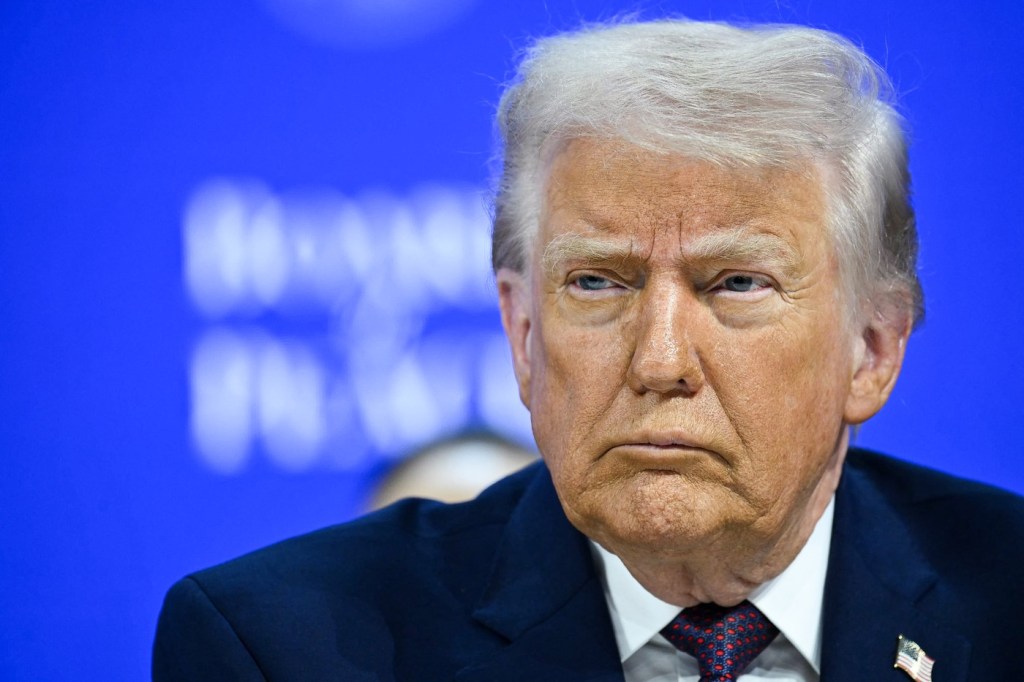 VIDEO Trump, harsh reaction after the US Supreme Court canceled his trade tariffs: “A court influenced by foreign interests” / Trump announces a new global tariff
Unclear what will happen to the “agreements” so far
Donald Trump's use of the IEEPA to impose tariffs by invoking national emergencies has given the US a coercive advantage in trade negotiations but strained relations with allies.
IEEPA, a law originally designed for sanctions and asset freezes, has been interpreted by the Trump administration as authorizing tariffs by regulating imports, although the text does not explicitly mention tariffs.
In April 2025, the mechanism was applied against China, Canada and Mexico, later expanding globally on “American Liberation Day”.
Before that, in February and March 2025, Trump invoked the IEEPA to impose tariffs against China, Canada and Mexico, citing as a national emergency the trafficking of fentanyl – a painkiller that has caused an opioid crisis in the US – and other illicit drugs into the United States.