
Putin signed the law that digitally isolates Russia: FSB, absolute control over phones and internet

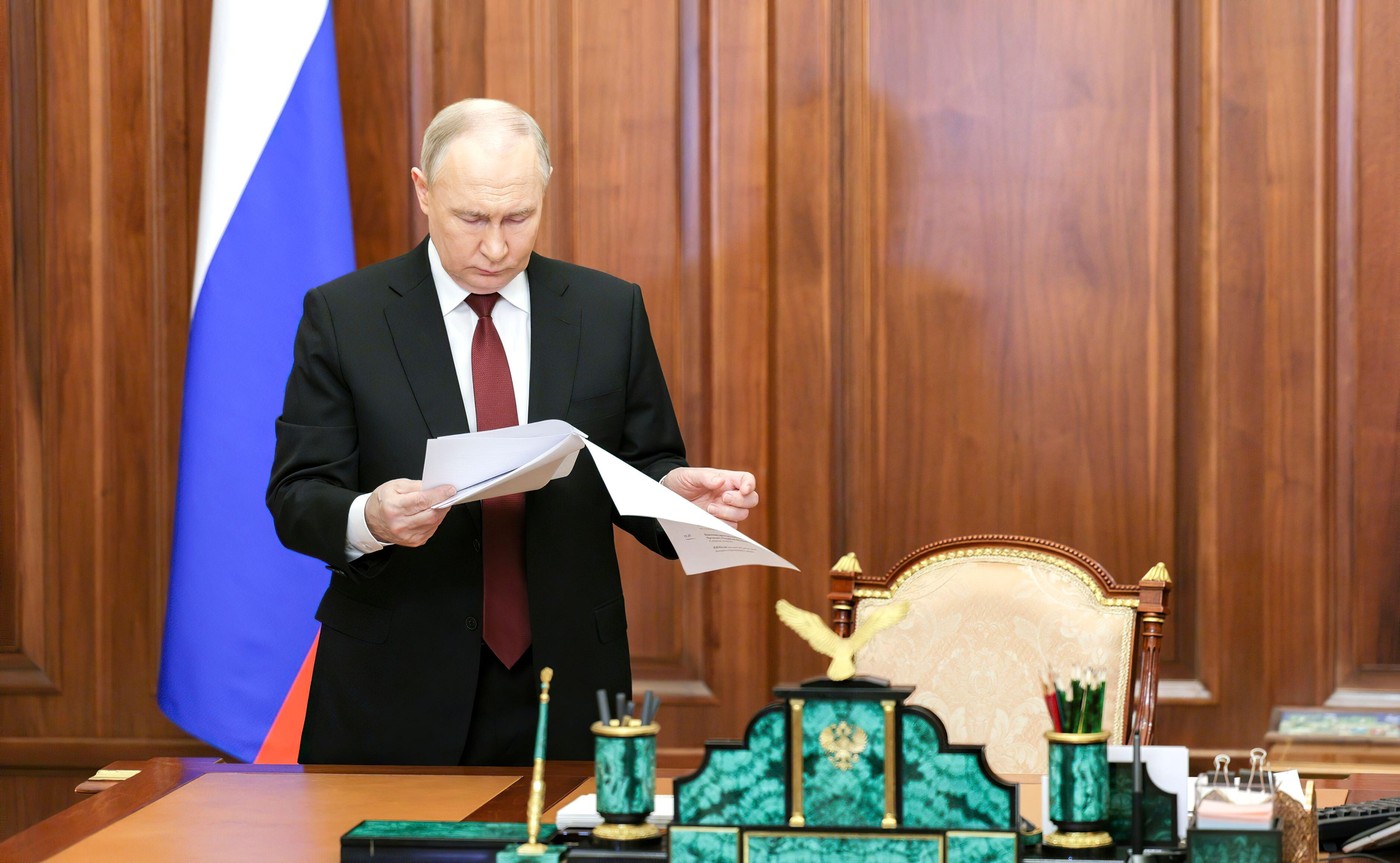
Vladimir Putin. Credit line: American Photo Archive / Alamy / Profimedia
The new law promulgated on Saturday by the Russian leader Vladimir Putin obliges mobile phone operators to interrupt services at the simple request of the Federal Security Service of Russia (FSB), without the need for the approval of the government or the presidency, according to EFE quoted by Agerpres.
The document amending the Communications Law was published on the Russian government's legal information portal after it was approved this week by both houses of the federal parliament — the State Duma and the Federation Council.
The new legislation stipulates that operators will not be liable to customers for the interruption of mobile phone services, if the cut is made at the request of the FSB.
In the final version of the law, the provision from the first version of the project, which conditioned FSB requests to a justification from the president or the government, was eliminated. Thus, the security services will be able to request the restriction of communications without the administrative intervention of the Kremlin leader or the executive.
Although Russian authorities justify these measures by constant Ukrainian drone attacks, independent activists warn that disconnection decisions at the federal or regional level could be arbitrary.
According to local media, half of Russian regions are already experiencing near-daily internet outages, even though most of the affected areas are not among Kiev's main targets.
Once signed by the president, the law will enter into force within ten days of its publication in the Russian Official Gazette. In the past four years, the Kremlin's digital censorship has already led to the restriction of tens of thousands of websites and social networks.
Recently, the Russian press announced that on April 1, the Telegram network will be permanently blocked, whose slowness has already caused discontent among military bloggers and Russian troops who use it on the front. In 2018, a similar attempt to block Telegram failed after the platform managed to bypass technical restrictions.


