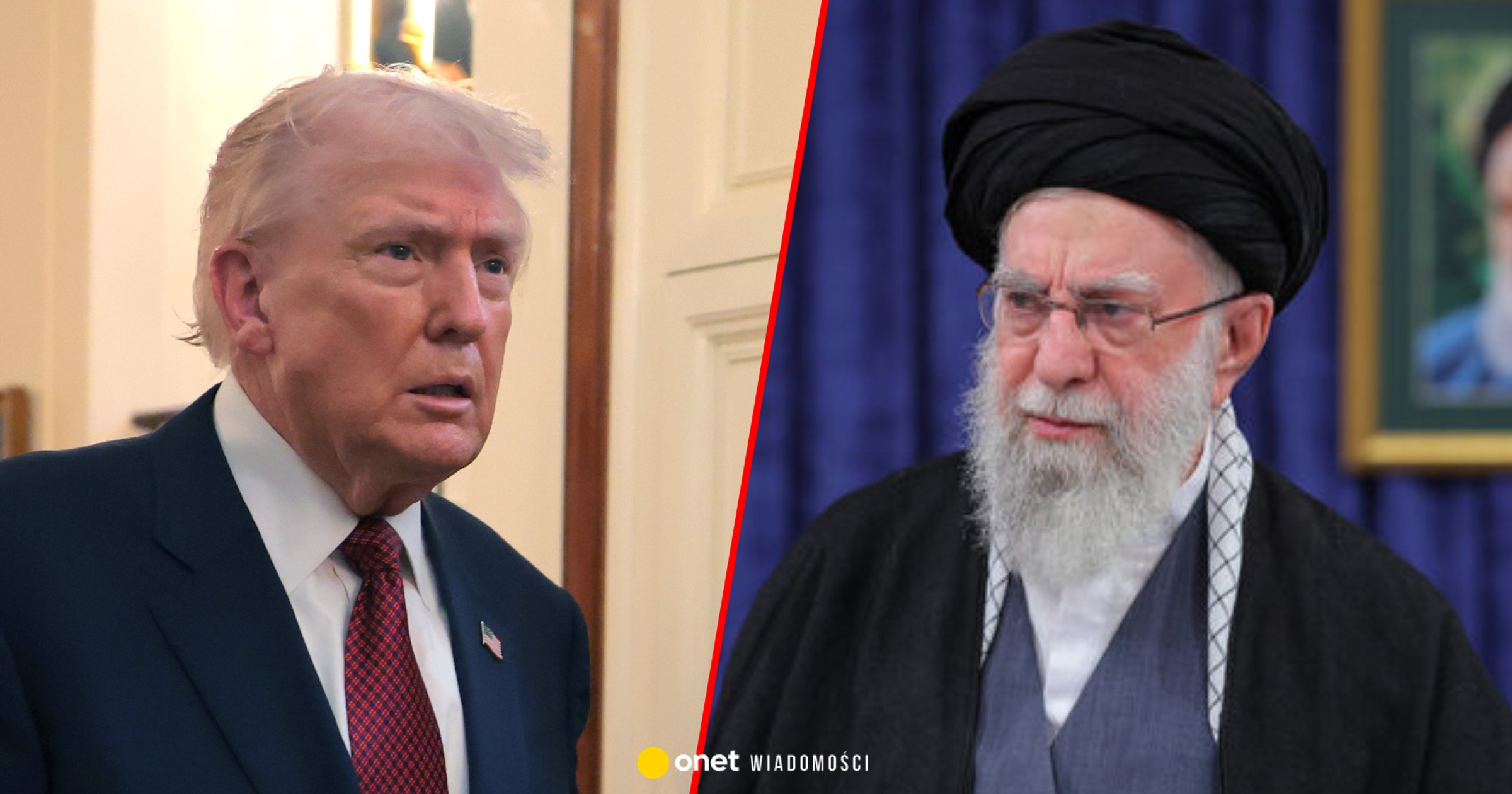
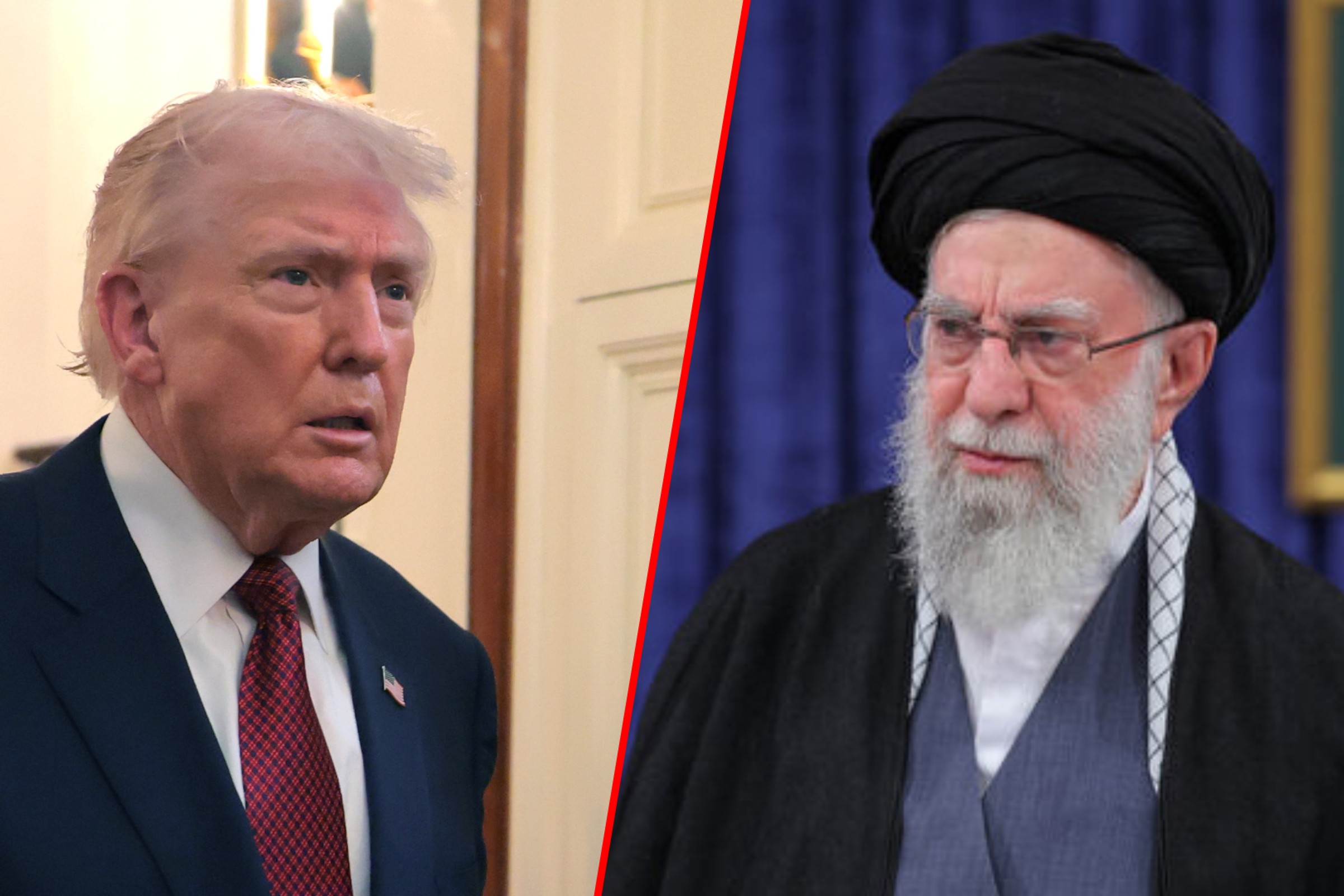
During the several-day war started by Israel in June 2025 – which the US briefly joined by attacking Iranian nuclear facilities – Lebanese Hezbollah remained passive, but the Israeli army command estimates that in the event of another war with Iran, this armed group may join the fight.
Tehran is to put pressure on the new leader of Hezbollah, Sheikh Naim Qasem, to “repay the debt” for many years of support and attack Israel in the event of escalation, Israeli media, including the Ynet portal and the “Haaretz” and “Israel Hayom” daily newspapers, have reported in recent days.
What is the United States planning regarding Iran?
What role could Hezbollah play in a possible conflict?
When must Iran respond to the ultimatum?
What are the goals of the planned operation against Iran?
Even though Hezbollah did not rebuild its missile arsenal after the losses inflicted by Israel in 2024-2025, it may try to open a front on the border with Israel or attack five Israeli bases in southern Lebanon. “Israel Hayom” said the organization must decide whether it is loyal to Lebanon or Iran, and is hesitant to embark on a new campaign for fear of ultimate destruction by Israel.
Israel, through the US, warned Hezbollah that it would respond decisively to a possible attack, including with airstrikes on Beirut and the Bekaa Valley – the group's traditional stronghold and logistical base. The Lebanese authorities are afraid of damage to infrastructure, but some of them believe that another involvement of Hezbollah in the war may make it easier for the state and the army to disarm it, commented “Haaret”.
Israel is afraid of US pressure to complete the operation quickly
Israeli media – like many foreign editorial offices – point out that the US accumulation of the largest forces in the Middle East since the war in Iraq in 2003 goes beyond deterrence. The newspapers report that Washington is intensifying preparations for a broad operation against Iran, in which Israel participates as a partner in the decision-making process. Although the operation is to be joint in nature, the US president will decide on its launch.
The author of the analysis in “Israel Hayom” describes Trump as a “sprinter”, expecting quick results, while regime change in Tehran is a “marathon” that may last for months. In Israel, Trump's tendency to suddenly change his decisions is also a cause for concern. There is a risk that the US president could change course at the last minute, delay or cancel the planned attack. The author also points out that Trump defines military success broadly, recalling previous declarations about ending the campaign against Yemen's Houthi rebels, although they have not been defeated, or eliminating the Iranian nuclear program, even though this goal has not been achieved.
What is the purpose of attacking Iran?
Both newspapers emphasize that the main and most ambitious goal of a possible operation against Iran is regime change in Tehran, what Israel considers a key strategic interest. Washington also emphasizes the need to end the repression against Iranian society, which is to constitute a moral justification for starting hostilities.
The planned air campaign assumes the systematic destruction of security infrastructure, including facilities of the Islamic Revolutionary Guard Corps (IRGC) and the Basij militia, in order to weaken the apparatus of oppression, thus eliminate public fear and initiate a grass-roots change of power through mass protests by the population.
Iran was scheduled this week about 10-14 days to respond to the ultimatum given, which includes a complete halt to the nuclear program, including the closure of research facilities and the transfer of stockpiles of uranium enriched to 60 percent, the elimination of the threat from the ballistic missile arsenal, and the cessation of financing and arming regional allies such as Hezbollah and the Houthis.
“Haaretz” also points out that the ongoing Ramadan may become an escalating factor, because a possible outbreak of violence during this period would promote the mobilization of public opinion in the Muslim world and could translate into an increase in the number of attacks and cause regional consequences that are difficult to predict.
The tension is also increased by the deteriorating situation of the Palestinians – cutting off workers from the Israeli labor market has deepened the economic crisis in the West Bank, and the expansion of Israeli control over this territory is exacerbating the political situation there.