Donald Trump's customs duties under the scrutiny of the Supreme Court. Billions of dollars are at stake

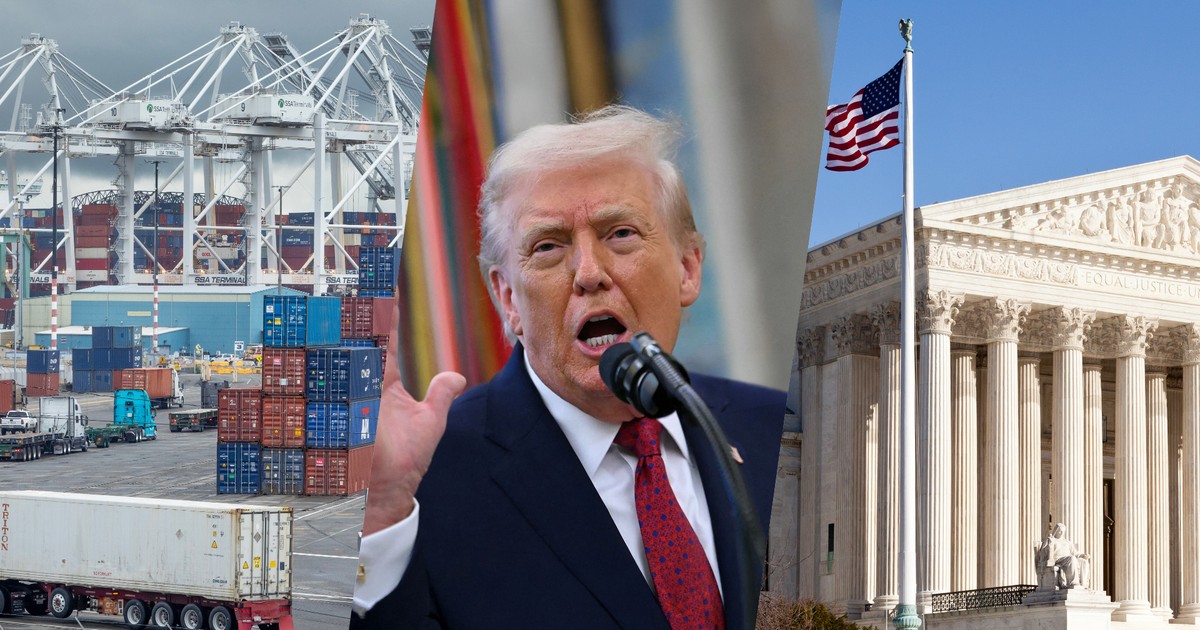
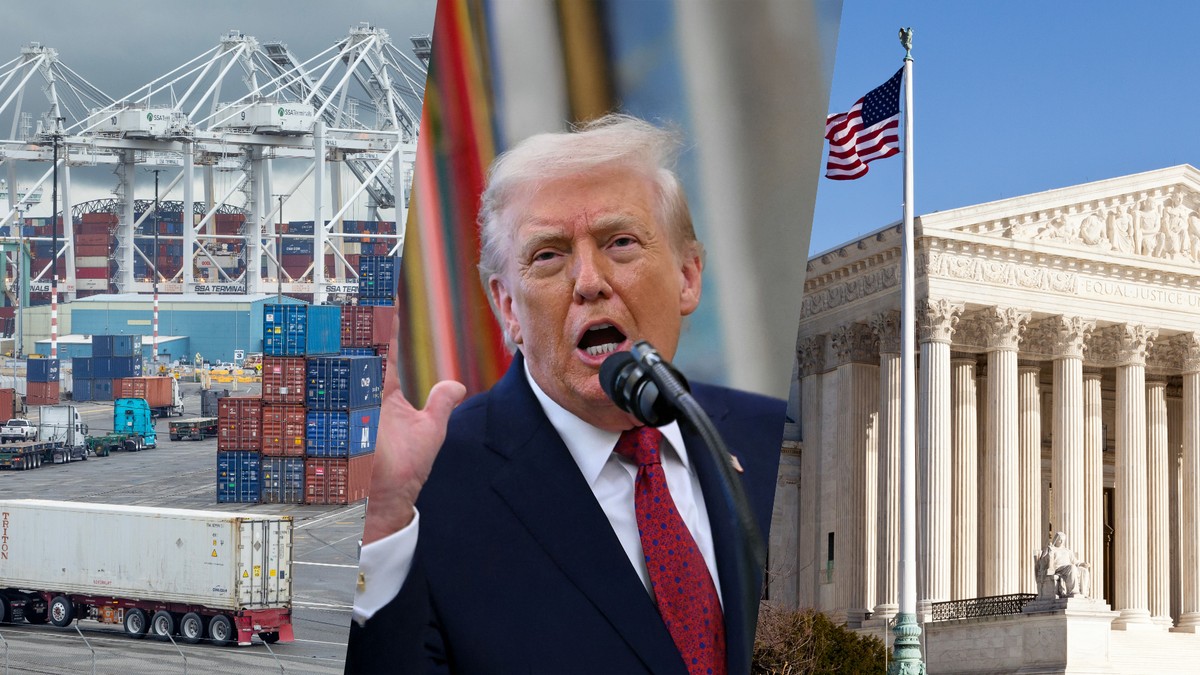
The latest Penn Wharton Budget Model analysis, commissioned by Reuters, shows that more than $175 billion in tariff revenue could be lost if the Supreme Court finds that the Trump administration's tariffs were imposed without an adequate legal basis. These are fees introduced using provisions on emergency economic powers that allow the president to respond to emergency situations.
The text continues below the video
Any invalidation of tariffs would mean not only retaining future revenues, but also risking having to pay back money to companies that have already paid them.
Read also: Donald Trump's tariffs only take effect after a year. US production greater than sales
Dispute over constitutional competences. Donald Trump may be in trouble
At the heart of the matter is the question of whether the president can impose tariffs on his own, or whether that power rests solely with Congress. The resolution will have significance that goes far beyond the current dispute – it may define the limits of executive power in trade policy for years to comewrites Reuters.
If the court finds that the powers have been exceeded, it will limit future presidents' ability to use similar instruments.
Read also: Donald Trump's tariffs work? The numbers show something completely different
Potential blow to the budget
Revenues from tariffs have recently become an important element of American public finances. Their loss would mean an increase in the budget deficit, the need to look for new sources of revenue or spending cuts and greater pressure on fiscal policy, writes Reuters.
Additionally, refunds for importers could significantly increase short-term costs for the state.
Customs duties were also one of the key instruments in US trade relations – especially with China. Their possible invalidation would weaken the ability to exert economic pressure and force the administration to look for other tools of influence.
As Reuters writes, the case has a precedent-setting nature because it concerns not only specific tariffs, but also the balance between the legislative and executive powers. The verdict may determine who controls American trade policy in practice.