2026-02-19 15:51
publication
2026-02-19 15:51
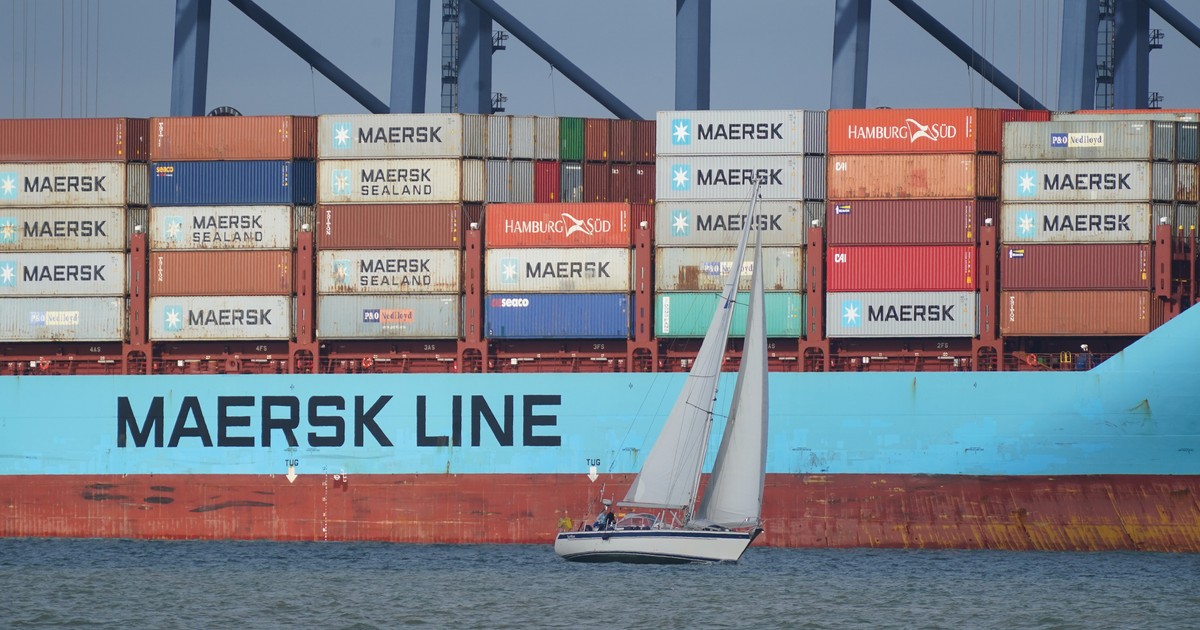
The price of oil has recently been moving to the rhythm of reports about changes in the temperature of US-Iran relations – noted analysts of PKO Bank Polski. According to them, in the base scenario an agreement is expected, among others: these countries before this summer, which may mean a decline in the prices of this raw material.
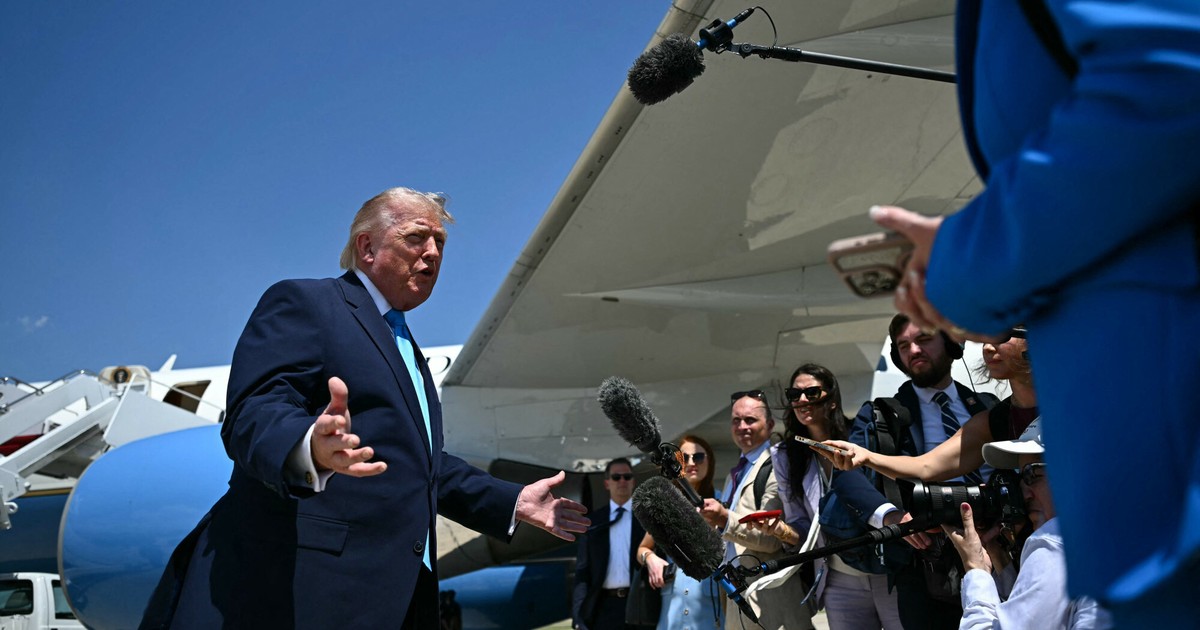
As the bank's analysts recalled, in February Brent crude oil prices fluctuated in the range of USD 65.2-70.7. per barrel, and on February 11 established a local summit, supported by US President Donald Trump's threat to send a second aircraft carrier to the Middle East in the event of no agreement with Tehran.
The weakening of oil prices in the second decade of February was losing momentum below USD 67/b, and there was little progress in the US-Iran negotiations,” experts noted. As they added, on February 18, Brent broke the barrier of USD 70 per barrel, growing by over 4% during the day due to Iran's announcement of joint naval maneuvers in the Gulf of Oman and the northern Indian Ocean with Russia. “Investor nervousness was further increased by the failure of the talks Ukrainian-Russian – indicated the bank's representatives.
They also noted that the situation had not been alleviated by the news that production from the Kazakh Tengiz field was gradually returning to normal. They recalled that on January 18, production was suspended due to a fire, and at the beginning of last year Tengiz extracted 900,000. barrels per day. “Also, Reuters' reports that OPEC+ may resume increasing crude production from April have gone unnoticed. According to one of the larger market players, if geopolitical tensions persist and Brent prices remain in the range of USD 65-70/b, the cartel will probably decide to increase oil production,” PKO BP analysts noted.
They said that in the base scenario, US-Iran and Ukraine-Russia agreements are expected before this summer, which will result in a drop in Brent crude oil prices to USD 60-62. per barrel. According to analysts, a possible Washington-Tehran escalation seems “undesirable to either side, in the case of Donald Trump due to the risk of energy price increases, in the event of a blockade of the Strait of Hormuz by Iran.”
In recent weeks, US President Donald Trump has repeatedly threatened Iran with intervention, including military attack, if an agreement to limit the country's nuclear program is not reached. The US has strengthened its military presence in the Middle East, and Iran announced that in the event of aggression it would respond by attacking American military installations in the region.
White House spokeswoman Karoline Leavitt, summarizing the outcome of Tuesday's negotiations in Geneva, said on Wednesday that despite some progress, the positions of the US and Iran are still very divergent. She noted that President Trump had to make a decision regarding a possible strike against Iran.
CBS News reported on Wednesday that the Pentagon is temporarily transferring some Middle Eastern personnel to Europe and the United States in connection with a possible American attack on Iran and potential retaliation from Tehran. President Trump's top security advisers told him that the military would be ready for potential strikes against Iran as early as Saturday, but any attacks would probably not be carried out this weekend, sources familiar with the course of talks on this subject said.
Trump has not yet made a final decision on a possible strike, said the station's interlocutors, who asked to remain anonymous.
According to a Wednesday publication by Axios, Trump is increasingly leaning towards a large-scale attack against Iran, and Israel, which supports this option, is preparing for the outbreak of war within a few days. In the next publication, the portal concluded that the USA and Iran were on the brink of war. (PAP)
jls/ mrr/