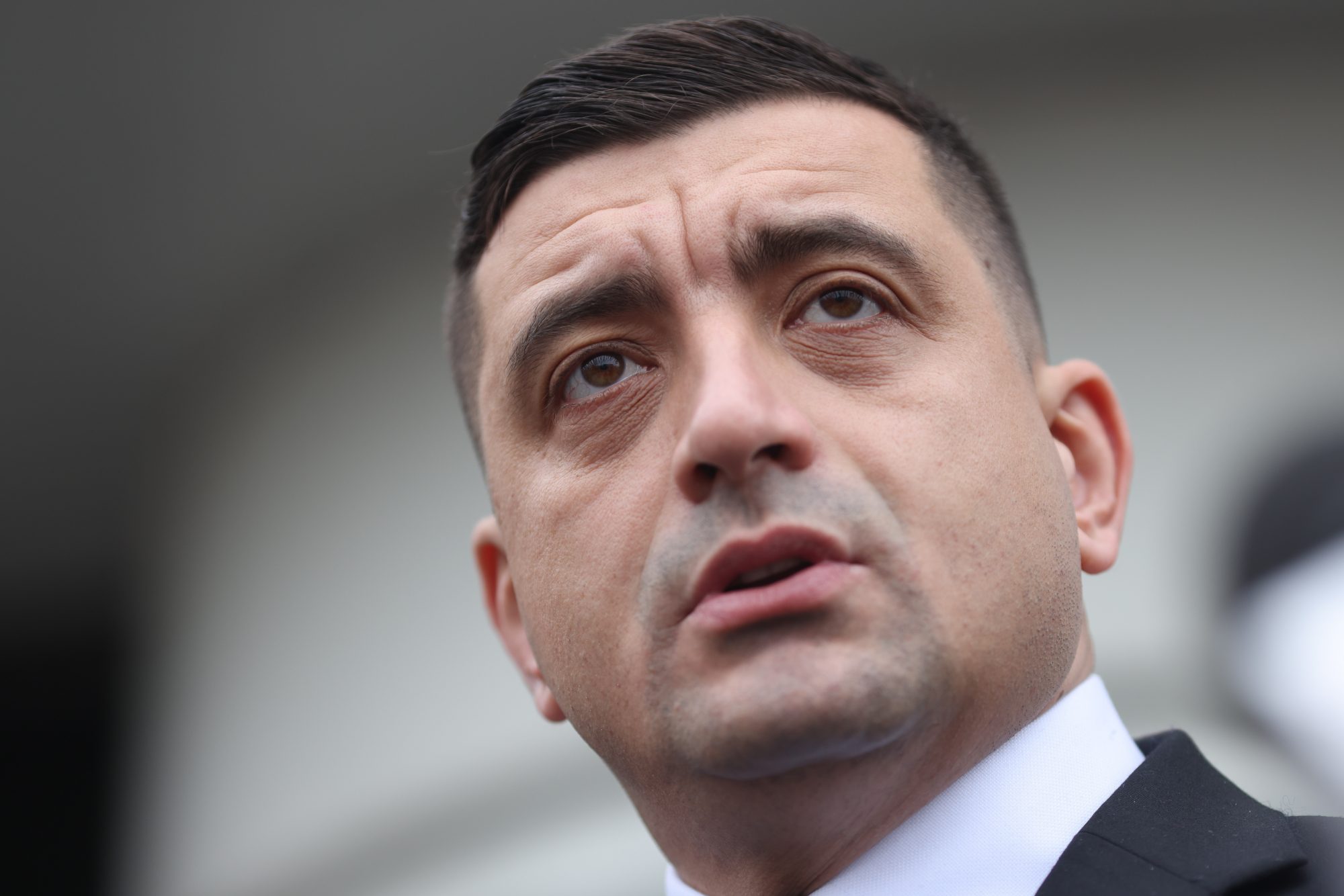
What is happening with the analysis of minister Radu Marinescu's doctoral thesis. The steps taken so far by the University of Craiova. “Of course he will be called”

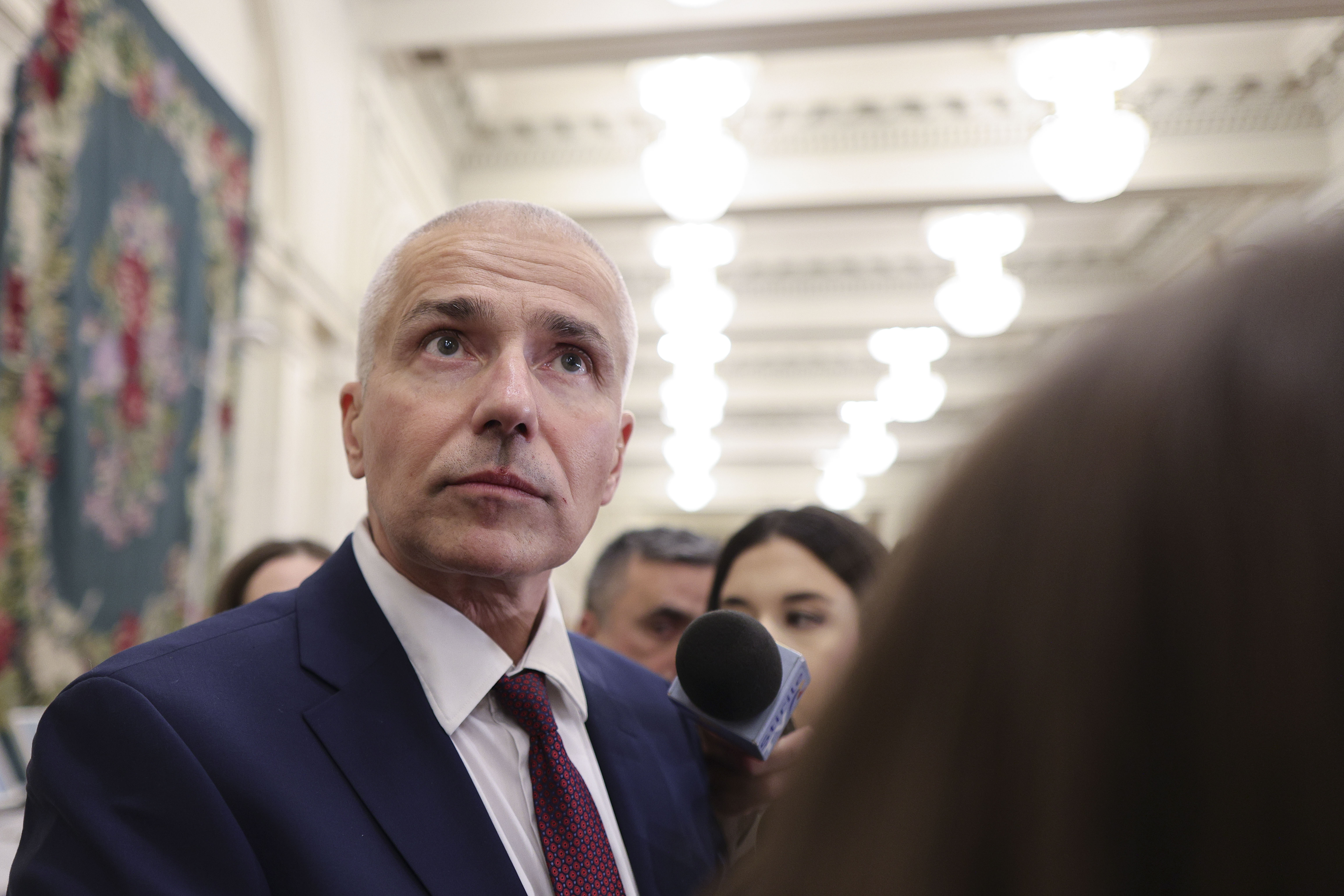
The University of Craiova is analyzing, through its Ethics Commission, whether the Minister of Justice, Radu Marinescu (PSD), plagiarized in his doctoral thesis, as journalist Emilia Șercan revealed in an investigation published on Presson. Sources in the institution told HotNews that the minister is likely to be at one of the meetings of the Ethics Commission to express his view on the allegations.
The Ethics Commission of the University of Craiova officially announced on January 16 that it is analyzing the doctoral thesis of the Minister of Justice, Radu Marinescu, five days after the journalist Emilia Șercan wrote in PressOne that she discovered 140 pages (that is, more than half) of copied content in the minister's work.
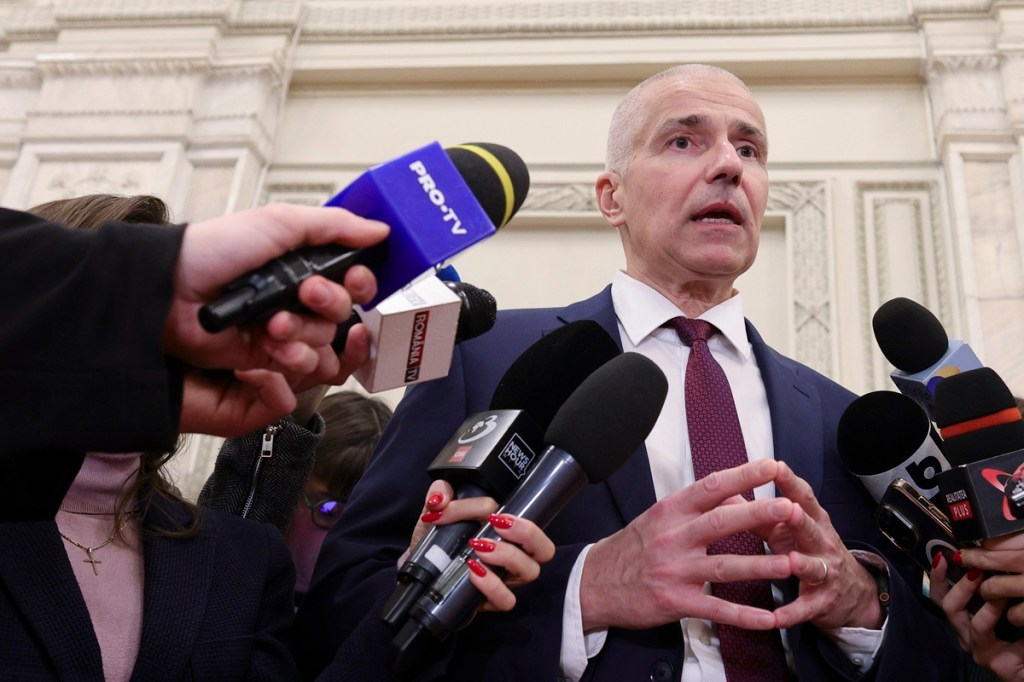 The PSD Minister of Justice, Radu Marinescu, accused of plagiarizing his doctoral thesis / The “copy-paste” method, used on text templates of up to 25 pages / All political reactions
HotNews spoke with several people close to the Ethics Commission's review to find out what steps have been taken so far, a month after the internal investigation was opened. The people I spoke with wished to remain anonymous, given the subject matter and the fact that no final decision has yet been made on the PhD thesis.
“We are far from reaching a conclusion,” said sources from the Ethics Commission.
The members of the Commission are analyzing and discussing in this case two notifications they received, registered with the numbers 56/13.01.2026 and 76/14.01.2026. The two referrals concern accusations of plagiarism against Minister Radu Marinescu, according to HotNews sources. Procedurally, after receiving the two referrals, the members of the Commission opened the “analysis file” to make a decision on the charges.
How long can the analysis take?
It is not clear how long the Commission's review will take. This depends on several factors, the sources explained, adding that, for example, any misunderstandings between members can make it difficult to move forward with the investigation.
HotNews analyzed the notifications received in the past by the Ethics Commission of the University of Craiova. In a similar situation, in 2025, the Commission was informed about a possible case of plagiarism in May. The Commission's final decision, stating that the allegations of plagiarism were not proven, came 7 months later, in December 2025.
Since the January 16 decision to analyze Minister Marinescu's doctoral thesis until now, the Craiova University's Ethics Commission has been convened six times in meetings to analyze the case and see what future steps need to be taken, according to HotNews sources.
Radu Marinescu will be called to one of the meetings
The Minister of Justice, Radu Marinescu, will be called at some point to one of the meetings of the Ethics Commission, so that the members of the forum can hear his position.
“Of course he will be called,” sources told HotNews.
Contacted by HotNews, Minister Radu Marinescu did not say whether he will accept the invitation to participate in one of the meetings of the Ethics Commission that analyzes his doctoral thesis.
Radu Marinescu denies the accusations of plagiarism
Radu Marinescu reacted to the PressOne investigation published by journalist Emilia Șercan in which he is accused of massively plagiarizing his doctoral thesis, the Minister of Justice stating that “the truth cannot be synonymous with simple media allegations, even bizarre” and insisting that his thesis was “in accordance with the legislation of that time”.
In a post on his Facebook page, entitled “Why now? Why me?”, Radu Marinescu stated that the article is “defamatory and full of contradictions, which obsessively resumes the slanders that were previously thrown at my back”.
He charged that the article “repeatedly insists on the procedure for the selection of prosecutors, launched by the Ministry of Justice just a few days ago (about why me and why now), without even using a software-based analysis.”
“Mrs. journalist Sercan Emilia accused me of plagiarism in my doctoral thesis, which I did not do!”, wrote the minister, adding that he graduated from the Faculty of Law of the State University of Craiova as head of promotion and practiced as a lawyer for 30 years.
In the meantime, Marinescu will make the proposals for the heads of the big prosecutor's offices
President Nicușor Dan will have the final say in appointing the heads of prosecutors' offices, but the proposals will be made by the Minister of Justice, Radu Marinescu.
The proposals will be made by Marinescu after the interviews that those registered in the race will give and after issuing advisory opinions from the Superior Council of Magistracy (CSM). According to the regulation, if the CSM's opinion is positive, the Minister of Justice will send the proposals to President Nicușor Dan. If the opinion is negative, the Minister of Justice organizes a new interview with the candidate who received a negative opinion.
After receiving the proposals from Minister Radu Marinescu, President Nicușor Dan can refuse, with reasons, the proposals received, and the appointment decree or refusal must be issued within 60 days at most from the moment he received the proposal from the minister.
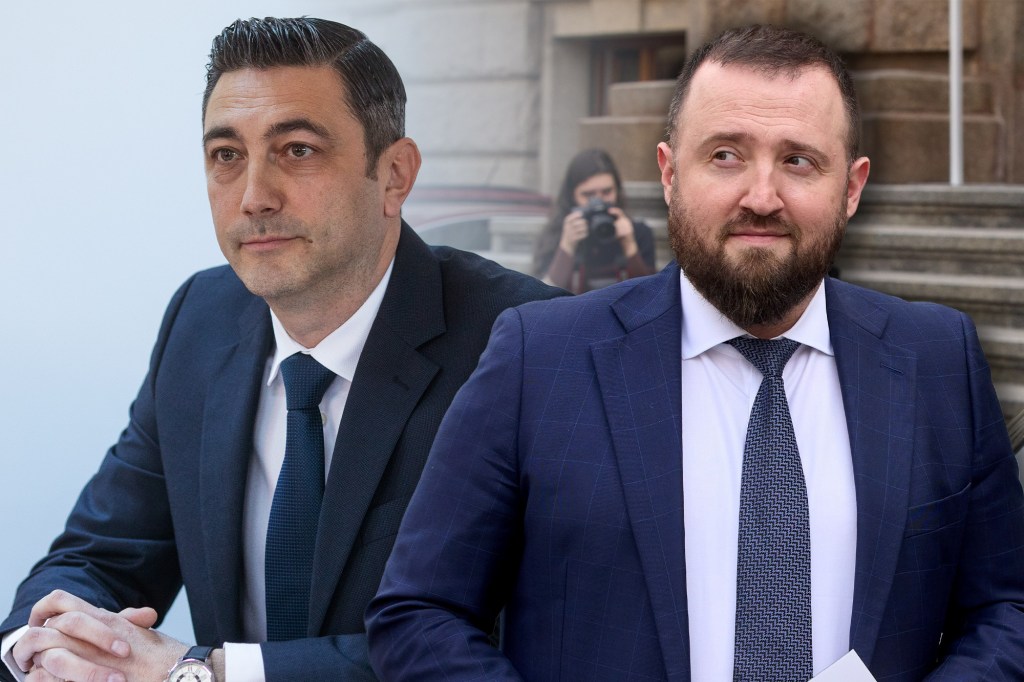 The list of prosecutors who meet the conditions to apply for the position of chief prosecutor, announced by the Ministry of Justice