The essential role of the ATI doctor in patient safety. Dr. Rely Manolescu, MedLife: “The safest place for a patient is the operating theater”

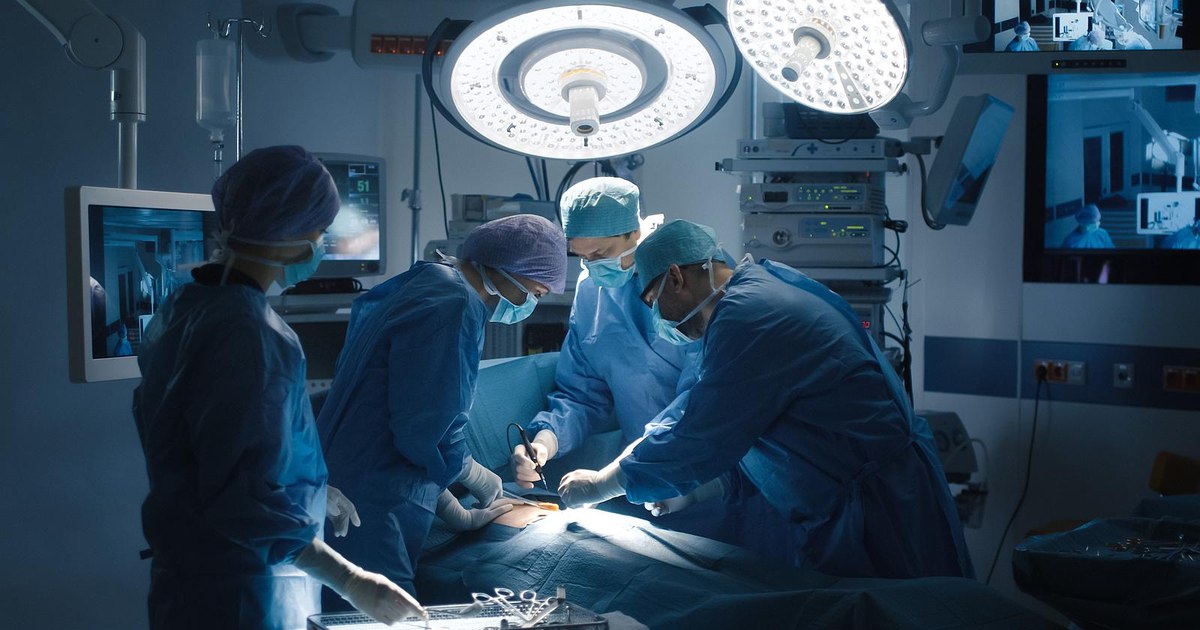
For many people, anesthesia is more frightening than the surgery itself. Fear of “not to wake up from anesthesia” it is a myth found in most patients who are going to undergo an operation. In reality, the spectacular evolution of recent years in all fields of medicine and, implicitly, in anesthesia and intensive care (ATI), has made the medical act confer high safety to the patient, both preoperatively, when the patient is evaluated by an anesthetic-surgical team, and intra- and postoperatively.
Currently, the focus is on a new branch of the specialty of ATI, namely perioperative medicine, which requires the patient to be taken over and prepared for the surgical intervention by a multidisciplinary team, 2-4 weeks before the intervention, and his follow-up intraoperatively, immediately postoperatively, that is, both when he is admitted to the hospital and later, in the late postoperative period, up to 30 days postoperatively or even more.
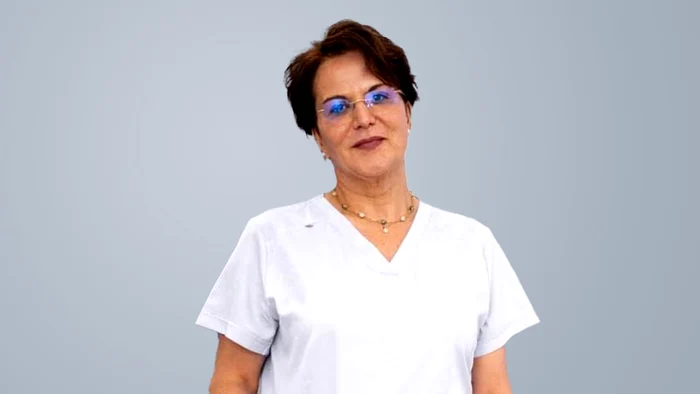
Dr. Rely Manolescu is an ATI primary physician at the MedLife Orthopedics and Plastic Surgery Hospital, doctor of medical sciences, and has been doing his job with passion for over 3 decades: “In orthopedic surgery, the new surgical and anesthetic techniques have greatly changed the approach to the patient. One of the frequently encountered problems in orthopedic surgery, both in young patients, athletes, at the first surgical intervention in their life, and in elderly patients with numerous associated diseases, is anxiety, which can be controlled by medicinal methods, but especially by discussions with the anesthetist during the pre-anesthetic consultation.”, said Dr. Rely Manolescu.
The patient should be seen ahead of time, not on the eve of surgery
“For any operation, the patient must be seen by the anesthesiologist at least 7 days in advance. For elderly patients with knee, hip replacements or bone tumors, we see them as early as 2-3 weeks or even a month before surgery.“, explained Dr. Rely Manolescu. The reason is simple, these patients often have associated diseases that must be carefully evaluated and interpreted.
“Prosthetic surgeries are interventions with a high risk of bleeding, with a cardiovascular risk or with a risk of thrombosis. We cannot afford to go into such an operation without rigorous preparation.” said the anesthesiologist.
Heart, diabetes, kidneys – they are not left to chance
Patients with chronic diseases are carefully evaluated and treated individually. “All patients with chronic pathologies, following the pre-anesthetic consultation, receive recommendations either for interdisciplinary evaluations or to indicate additional therapies in the case of various clinical situations, for example, iron therapy for iron deficiency anemia, or recommendations on how to administer personal medication in the preoperative period. Patients with diabetes, with severe cardiovascular pathologies, with advanced chronic renal or neurological pathologies, are very well monitored intraoperatively – in addition to the standard monitoring of vital functions, they require invasive hemodynamic monitoring, continuous monitoring of blood sugar, some laboratory tests, etc.said Dr. Manolescu.
“In the MedLife Orthopedics and Plastic Surgery Hospital, we have special situations regarding patients with chronic renal failure on dialysis, for which a rigorous organization and coordination with the dialysis centers is required. The operation is scheduled between two dialysis sessions, and the patient is picked up the next day and taken to dialysis again.”
Loco-regional anesthesia has changed the rules of the game
In orthopedics, general anesthesia is no longer the first option. Loco-regional anesthesia or peripheral nerve blocks are ideal options, both for the simplicity of performing them with the help of ultrasound, and for the control of postoperative pain, one of the main concerns of the anesthesiologist in the immediate postoperative period.
“We use very little general anesthesia. We most commonly use loco-regional anesthesia—spinal, epidural, peripheral nerve blocks—associated with sedation.” stated Dr. Manolescu.
The advantages are major, especially for the elderly: “In elderly patients, postoperative delirium is a big problem. Numerous current studies as well as our own experience show that using loco-regional anesthesia, the incidence of delirium decreases significantly.”
General anesthesia remains reserved for special cases: “There are situations that require general anesthesia – scoliosis surgery, patients with various pathologies that contraindicate loco-regional anesthesia, orthopedic surgery with a high risk of bleeding, prosthesis revisions, orthopedic tumor surgery.”
Pain is no longer normal after major orthopedic surgery
One of the patient's biggest fears is postoperative pain. The strategy of using multimodal preventive analgesia, that is, the use of several techniques and analgesic substances from several classes to combat pain, has significantly reduced postoperative pain in orthopedic surgery. Dr. Manolescu testified that within the hospital there are protocols for perioperative analgesia, made based on the recommendations of European and global societies, pain treatment starting before the operation:
“Right from the moment of the pre-anesthetic consultation, the patient receives a scheme of analgesics and we continue the treatment even after the operation.” said the doctor. Pain is constantly monitored: “The patient is continuously evaluated on a numerical pain scale and the treatment is adjusted. We have very few patients with severe postoperative pain.” said Dr. Rely Manolescu.
“I remember a 39-year-old patient with necrosis of the femoral head, with pain for about 1 year, for which he received numerous therapies and who presents himself to the pre-anesthetic consultation with a view to a hip arthroplasty. The patient confessed that for 1 year he no longer knows his normal state, how he slept or moved without pain. His evolution was spectacular, by applying the internal analgesia protocol and with the support of anxiolytic therapy, thus so that on the day of the operation he asked us “why am I having another operation?”
Among the many difficult cases that Dr. Manolescu had, one remained deeply imprinted in his memory, that of an extremely fragile patient. “A 41-year-old patient with bone marrow transplant for hemato-oncological pathology, with numerous post-transplant complications, under immunosuppressive treatment and high-dose corticotherapy, presents with necrosis of the femoral head, requiring a hip prosthesis…”the doctor told.
“The risks were enormous, he had a high risk of bleeding, infections, with a modified pain threshold. It required extremely careful preparation and a very close collaboration with the hemato-oncologists. In the end everything ended very well. It was a case that required me enormously, but which showed me what teamwork means.”
How to manage the fear of anesthesia
Anxiety is natural, the doctor believes: “I, too, if I were a patient, would have emotions. We are human and it's something natural. But medicine has evolved enormously. The safest place for a patient is in the operating room. There you have everything at your disposal, continuous medical monitoring, a team of professionals and appropriate equipment. If you're not safe there either, then where?”
Thus, the most dangerous myth “anesthesia kills” is dismantled without hesitation, with solid arguments, by the Romanian doctor, Dr. Rely Manolescu, who, after over 30 years of experience, states that: “Anesthesia is performed today in Romania under maximum safety conditions, with rigorous monitoring and compliance with all the recommendations of professional medical societies.”
Sources:
https://pubmed.ncbi.nlm.nih.gov/38307961/
https://pmc.ncbi.nlm.nih.gov/articles/PMC6461051/
https://link.springer.com/article/10.1186/s13256-025-05177-3