Russian oil exports are decreasing and more countries are giving up supplies. Russian oil producers may be forced to sharply reduce production in the coming months, Reuters reported. A big blow to Russia is the withdrawal of customers from India – until recently the main importer of Russian oil. Already, three major Indian refineries – Indian Oil, Bharat Petroleum and Reliance Industries – have suspended purchases of this raw material.
Read also: Dozens of tankers with Russian oil are drifting at sea. The “critical moment” is coming
Oil from Russia. Full warehouses and less and less exports
Russia has long managed to export its Urals oil despite Western sanctions. It achieved this by redirecting most of its supplies to China, India and Turkey, often using a fleet of old tankers and offering huge discounts to new customers. However, oil sales fell significantly when the US president imposed tariffs on India and the European Union in January imposed a ban on imports of fuels refined from Russian oil.
Almost immediately after these decisions, exports of Russian raw materials transported by sea dropped. In January it amounted to 3.4 million barrels per day, while in December it reached 3.8 million. Currently, sales remain at approximately 2.8 million barrels per day – according to data from Kpler – a platform that allows you to track global trade in goods.
Read also: Indian refineries are giving up Russian oil. In the background there is a trade agreement with the USA
The forecasts for trade in Russian oil are even worse because India, the largest buyer of this raw material, has significantly reduced purchases after signing a trade agreement with the United States. Under this agreement, they will buy more oil from the US and potentially also from Washington-controlled Venezuela.
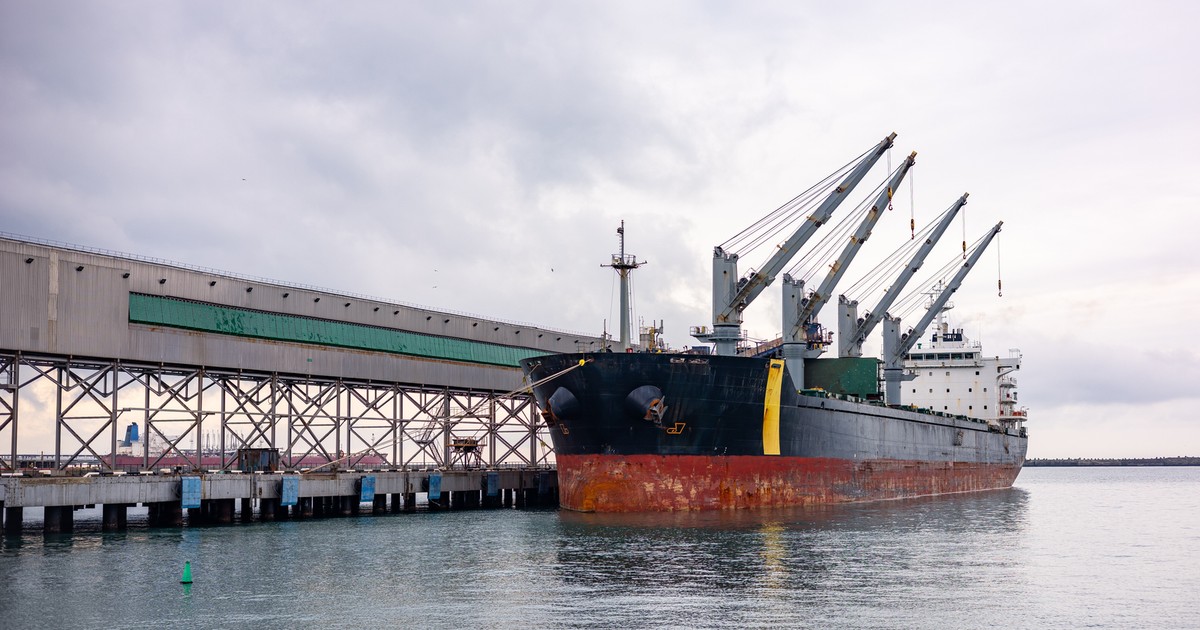
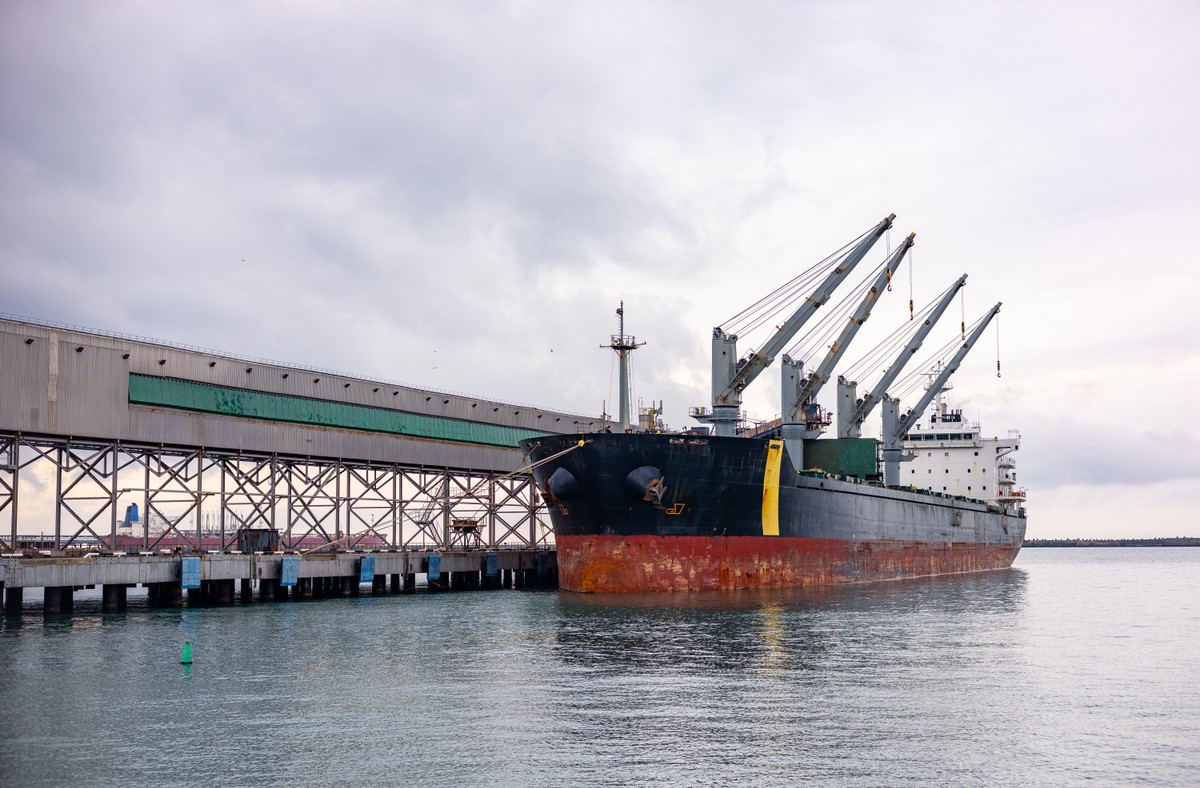
As a result, approximately 150 million barrels shipped from Russian ports are currently trapped on tankers drifting in the Indian Ocean. Onshore warehouses are also full and cannot accept any more raw material. Producers are left to limit its extraction, said the Norwegian consulting company Rystad Energy on Monday.