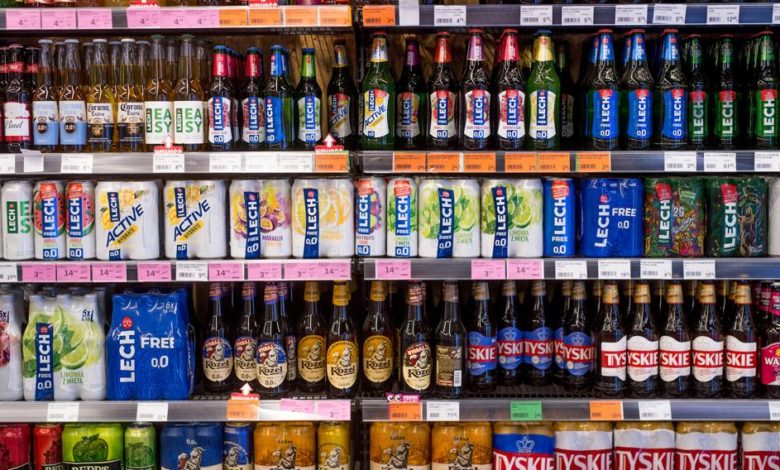
The year 2025 was another difficult period for the beer market in Poland. Sales decreased both in quantity and value. Non-alcoholic beers remain the only growing segment, although here too the growth dynamics was clearly lower than in previous years. Brewery representatives point out that the proposed changes in regulations may hinder the further development of the non-alcoholic segment.
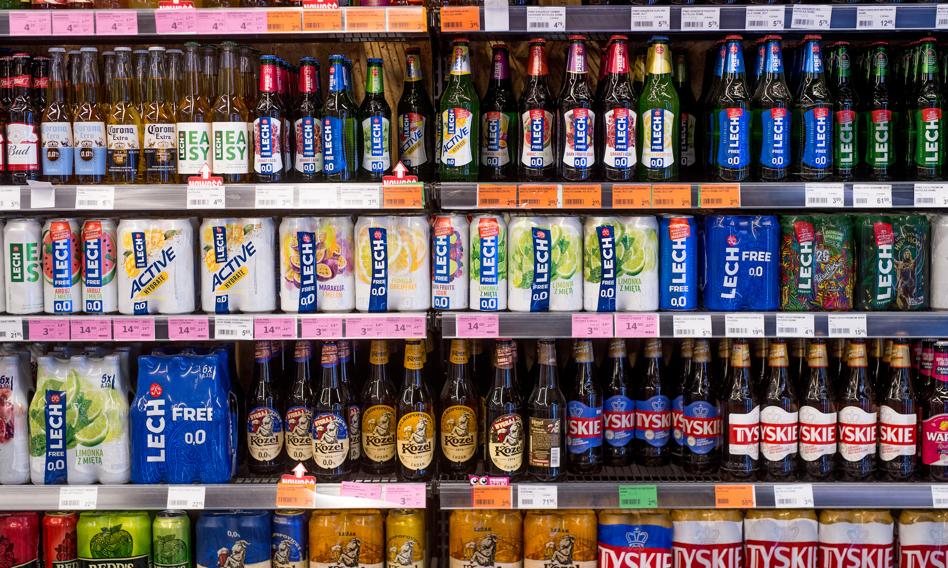
– We must clearly assess the results of the entire beer industry for 2025 as very negative. This is another year of quite intense declines: by 5.5%. in terms of volume and by over 4 percent. in terms of value, even though beer prices have increased – emphasizes Mieszko Musiał, president of the management board of the Association of Brewing Industry Employers – Browary Polskie, in an interview with the Newseria agency.
NielsenIQ data shows that even the increase in retail prices did not allow the market value to be maintained, which decreased to PLN 22.5 billion. The beer category reduced the growth rate of the entire FMCG market. The value of the grocery basket increased by 4.5%, but if the shrinking beer category was excluded, the dynamics would amount to 5.6%.
– There are several reasons for the declines, which accumulate. We've had a very cold summer, and weather is known to shape casual consumption. It also strongly influences the consumption of non-alcoholic beers, which are guided by the same trends as other drinks – explains Mieszko Musiał. – The second issue is the disappearance of traditional stores, for which beer is a very important category.
Prices are rising, so demand is inevitably falling
The beer market is strongly linked to small-format trade, which has been under structural pressure for several years. The decreasing number of small stores translates directly into category results, because that's what This sales channel has traditionally generated a significant part of beer turnover – approx. 40%.
– We have a market factor where prices are rising because there is cost pressure on producers, so demand is inevitably falling – explains Marcin Cyganiak, commercial director of NielsenIQ.
Manufacturers operate in conditions of rising costs of raw materials, energy, logistics and fiscal burdens – Since 2019, excise duty on beer has increased by nearly 47%. All this translates into the final prices of products. The study of the nationwide Ariadna research panel shows that the majority of Poles perceive beer prices as high, and two-thirds of consumers have clearly noticed their increase in the last year.
January 2026 brought another batch of bad data
As the president of Browary Polskie emphasizes, January this year brought another portion of bad data. Sales volume decreased by 4%. y/y. In such conditions, producers do not expect a quick reversal of the trend in 2026, although they expect a smaller scale of declines than last year.
In 2025, the biggest loss occurred in the alcoholic lager segment, which remains the largest part of the beer category. The segment that was growing dynamically were non-alcoholic lagers. This is due to changes in consumer lifestyle and preferences. The NoLo (no alcohol low alcohol) trend is becoming more and more popular, especially among young adults.
– Consumers want increasingly healthier choices. They give up products that they perceive as less healthy, for example alcohol and various other stimulants – says Marcin Cyganiak. – However, alcoholic beers can be replaced by non-alcoholic beers. This brings an opportunity for the brewing industry. In Poland, the segment of the beer category that is growing is beer zero.
– Every 14th beer in Poland is alcohol-free. We assess this trend very positively – emphasizes Bartłomiej Morzycki, general director of ZPPP Browary Polskie. – On the one hand, it is some form of rescue. While the industry is shrinking, this growing segment preserves jobs, maintains the value chain and has a positive impact on the economic performance of the brewing industry. On the other hand, it shows how important the trend of moving away from alcohol is and how many social groups reduce its consumption and look for interest-free alternatives.
In 2025, Poles bought approximately 2 million hl of non-alcoholic beers, and the value of the segment reached PLN 1.82 billion. Thus, the share in the value of the entire category increased to 8.1%.
– In the non-alcoholic beer segment, we recorded a 3% growth in 2025. sales increase. This compared to 6%. the decline in alcoholic beers is positive news. However, if we compare this result to the dynamics from 2024, which was 17%, we see that it is slowing down. We achieved approximately PLN 1.8 billion in turnover in non-alcoholic beers, and as an industry we estimated that it could be approximately PLN 2 billion, so the result was below expectations. I assume that this year may bring improved dynamics – says Mieszko Musiał.
– However, we note with concern that a very disturbing narrative has appeared in the public space that non-alcoholic beers are a gateway to the world of alcohol. This is an absurd claim. Many studies and market practices from Poland and other European countries show that the opposite is true – non-alcoholic beers are not an incentive to drink, but a gateway to quitting alcohol – emphasizes Bartłomiej Morzycki. – This narrative against non-alcoholic beers is starting to appear in legislative proposals.
We are talking about proposed changes to the Act on upbringing in sobriety, which the Sejm is working on. One of the proposed parliamentary projects includes, among others: a total ban on advertising beer, including non-alcoholic beer, as well as a ban on the sale of products whose packaging or names resemble alcohol – which means, in fact, also non-alcoholic beer. These provisions may affect the “zero” segment.
– Soft drinks, which are an alternative to alcohol, contribute to reducing health damage and reducing alcohol consumption. They should therefore be supported, not eliminated. However, for unknown reasons, we see an attempt to treat them on an equal footing with alcohol and eliminate them from the market. We believe that this is a very big risk for the development of the non-alcoholic trend and may stop or even reverse this non-alcoholic revolution – emphasizes the general director of ZPPP Browary Polskie.