Top officials from the two Baltic countries told POLITICO that while they still see NATO as the cornerstone of nuclear deterrence, are now ready to talk about Europe's role.
Estonia does not rule out participation in preliminary talks on a common nuclear deterrence potential in Europe, admitted Deputy Defense Minister Tuuli Duneton. — We are always open to conversations with partners, she said, while emphasizing that the United States remains “committed to ensuring nuclear deterrence for allied countries.”
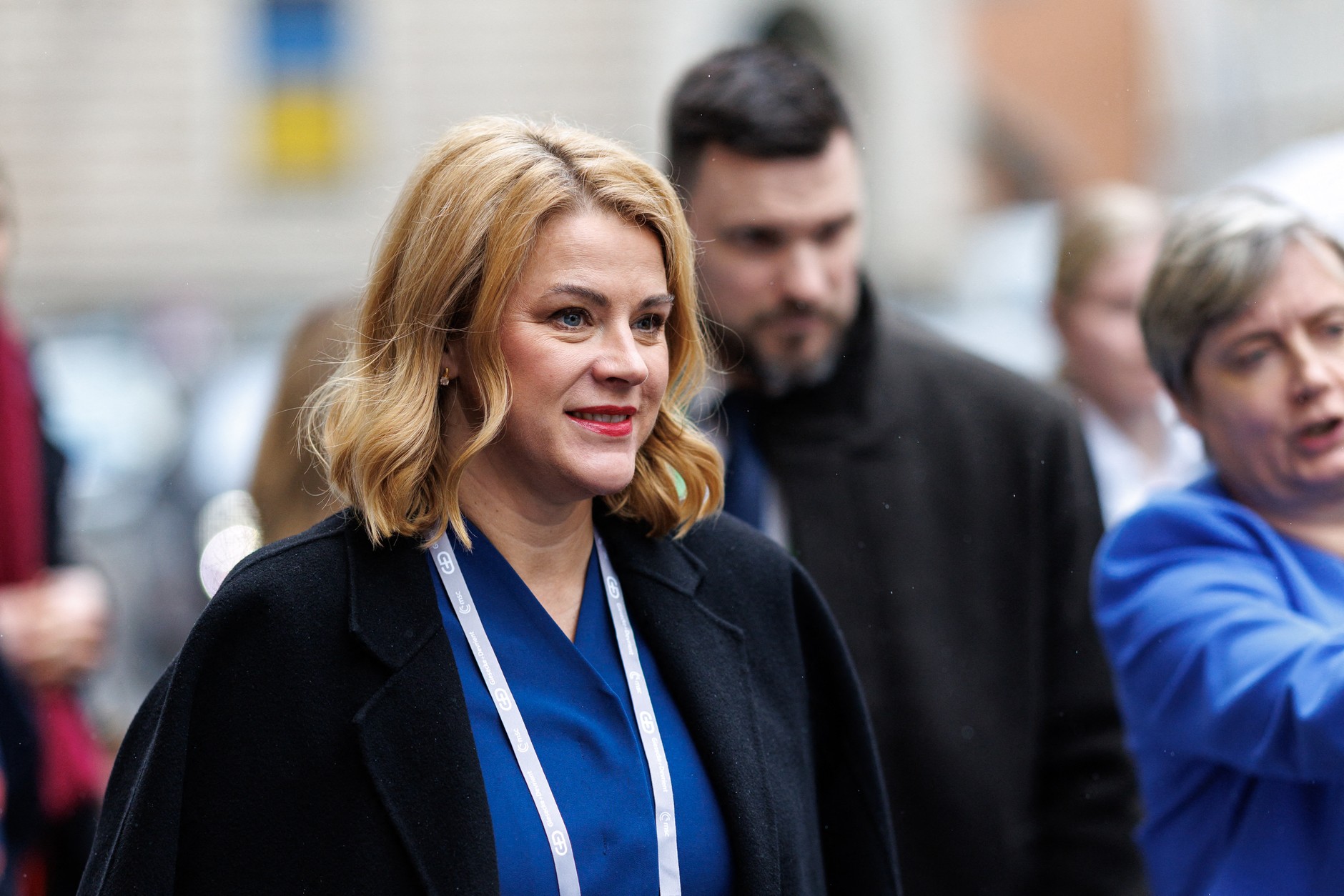
Latvian Prime Minister Evika Silina repeated these words. — Nuclear deterrence can give us new opportunities. Why not? — she said, warning at the same time that any actions must be consistent with “our international obligations.”
Trump has questioned NATO's Article 5 common defense, ridiculed allies' contributions to the US-led war in Afghanistan and repeatedly called for the annexation of Greenland, an autonomous territory of NATO member Denmark. That's prompting Europe to seek what officials call another layer of “security” against Moscow.
In practice, this means turning to France and the UK — the only nuclear powers in Europe. Unlike London, Paris is not a member of the NATO Nuclear Planning Group, which discusses the use of nuclear forces within the alliance. French presidents have repeatedly emphasized that France's national interests have a European dimension, at the same time emphasizing that any decisions regarding the use of nuclear weapons rest solely with Paris.
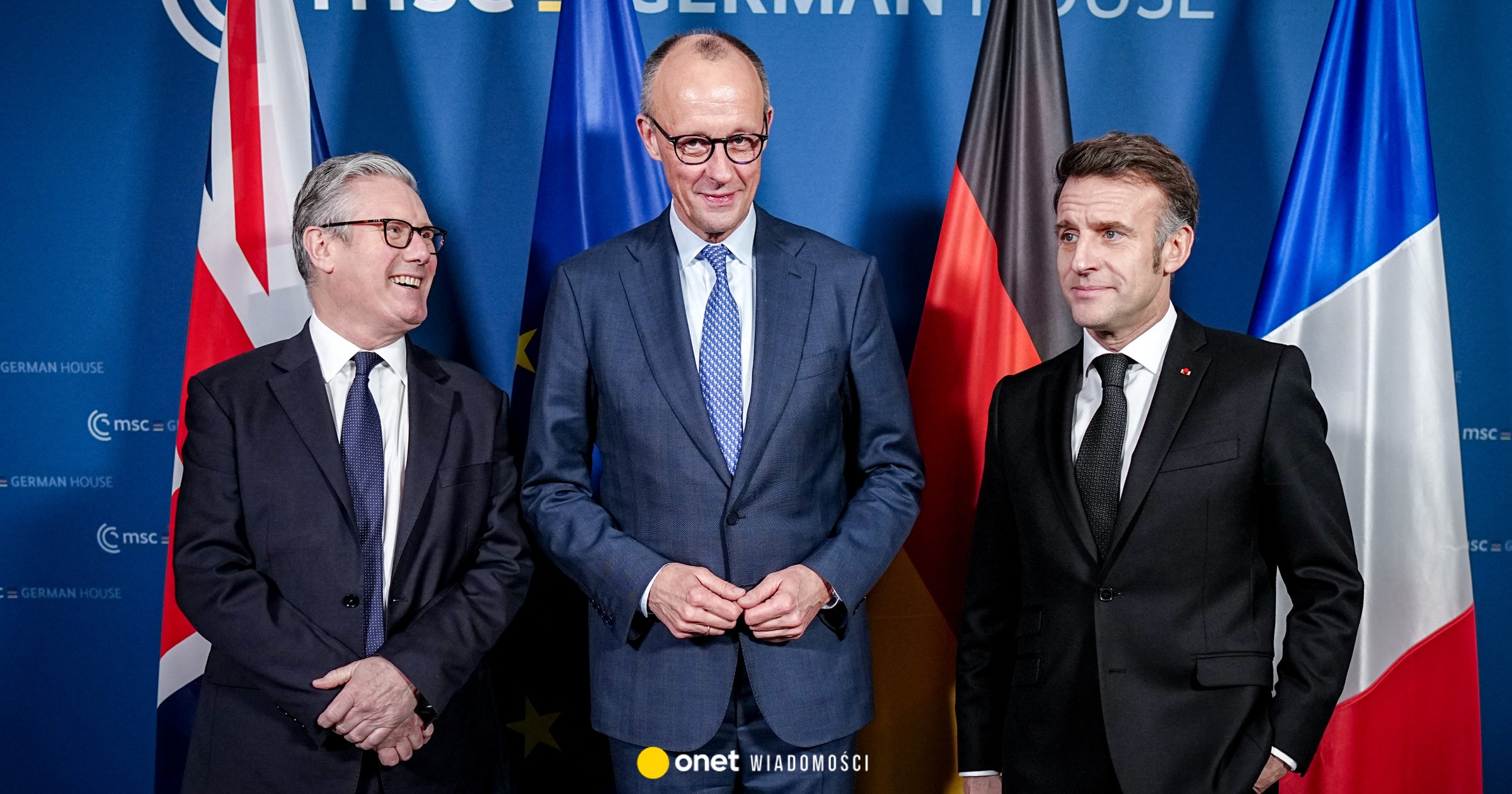
Both German Chancellor Friedrich Merz and French President Emmanuel Macron touched on European nuclear deterrence in their speeches in Munich.
Prime Minister of Latvia Evika Silina in Munich, February 14, 2026.MATTHIAS BALK / DPA / dpa Picture-Alliance via AFP / AFP
— Nuclear deterrence is an important topic at this year's conference, said Latvian Foreign Minister Baiba Braze. Belgian Defense Minister Theo Francken also took part in a closed discussion on this topic.
However, not everyone shares this opinion. Spanish Prime Minister Pedro Sanchez admitted on Saturday that Europe must become stronger to deter Russia, but added: “I firmly believe that nuclear rearmament is not the right way to achieve this goal.”
Senior Pentagon security policy official Elbridge Colby said America it is not withdrawing its nuclear shield from the continentalthough Washington wants Europe to take more action on conventional defense.
A holistic approach to defense
Nuclear talks between France, Germany and other countries, including Sweden, are at a very early stage.
On Friday, Macron mentioned the need to “reframe nuclear deterrence” to also include conventional weapons such as long-range missiles. For early March, he planned a breakthrough speech on France's approach to nuclear doctrine.
France's nuclear talks with European allies are “important because it is a way to frame nuclear deterrence within a holistic approach to defense and security,” he said.
The article continues below the video
According to nuclear weapons expert Bruno Tertrais, deputy director of the Foundation for Strategic Research, a French security think tank, this represents a minor shift in which France sees a greater interplay between conventional and nuclear deterrence.
In a new document presented on the occasion of the conference six different nuclear weapons options for the continent were assessed: doubling America's deterrent power; increasing the role of France and Great Britain; developing a supranational European deterrence system; acquisition of new independent arsenals; and a focus on conventional deterrence.
Two senior European government officials, who asked not to be named, said capitals could theoretically help support France's nuclear deterrent by providing conventional military assets such as submarines. In their opinion, Paris could also consider increasing its nuclear arsenal, subsidized by other countries.
Some capitals are calling on France to join NATO's official nuclear planning process, arguing that it would bring France's arsenal closer to European security. French deputy defense minister Alice Rufo said in Munich that Paris had no such intention.
Latvian Defense Minister Andris Spruds told POLITICO that Latvia “respects the sovereign decisions of individual countries,” but added: — Of course, we are also open to the greatest possible integration of France's nuclear potential with NATO's nuclear potential.
Rutte doesn't say no
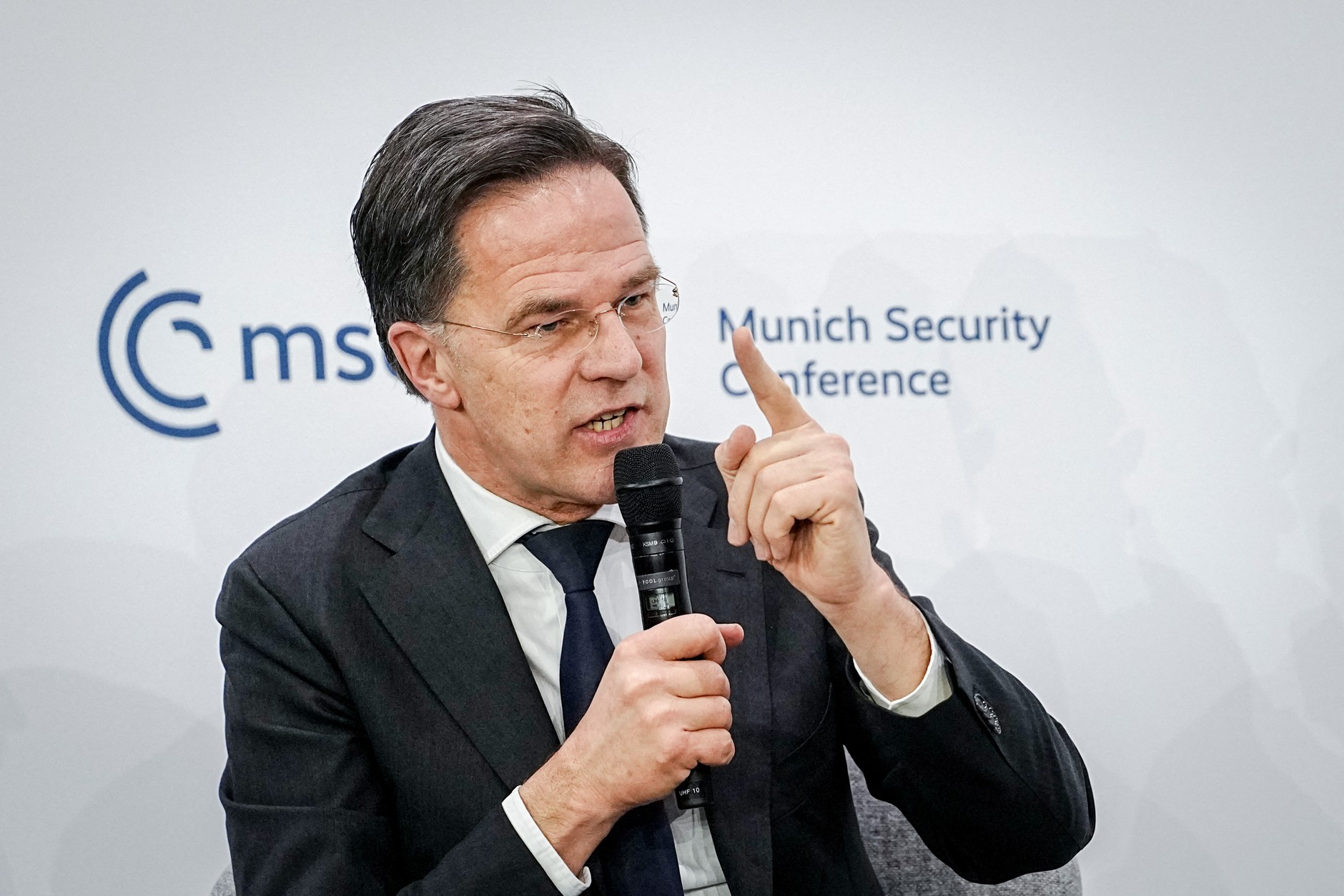
NATO Secretary General Mark Rutte said that is not against talks in Europe, as long as they do not undermine America's role.
— I believe that any discussion in Europe that aims to strengthen common protection against nuclear threats is fine. But no one in Europe is saying this is going to replace the US nuclear umbrella, he told POLITICO on Saturday.
NATO Secretary General Mark Rutte during the 62nd Security Conference in Munich, February 14, 2026.KAY NIETFELD / DPA / dpa Picture-Alliance via AFP / AFP
The next step will be Macron's speech in March – and the pressure on him is high.
“After years of French attempts to develop a common strategic approach to deterrence in Europe, often contrary to the interests of our allies, the geopolitical context now allows for adaptation,” said Héloïse Fayet, a researcher at the French Institute of International Relations.
— We must now translate these words into concrete actions and proposals to strengthen European deterrence in the face of the Russian threat and American instability, she added.
I’m Ashley Davis as an editor, I’m committed to upholding the highest standards of integrity and accuracy in every piece we publish. My work is driven by curiosity, a passion for truth, and a belief that journalism plays a crucial role in shaping public discourse. I strive to tell stories that not only inform but also inspire action and conversation.