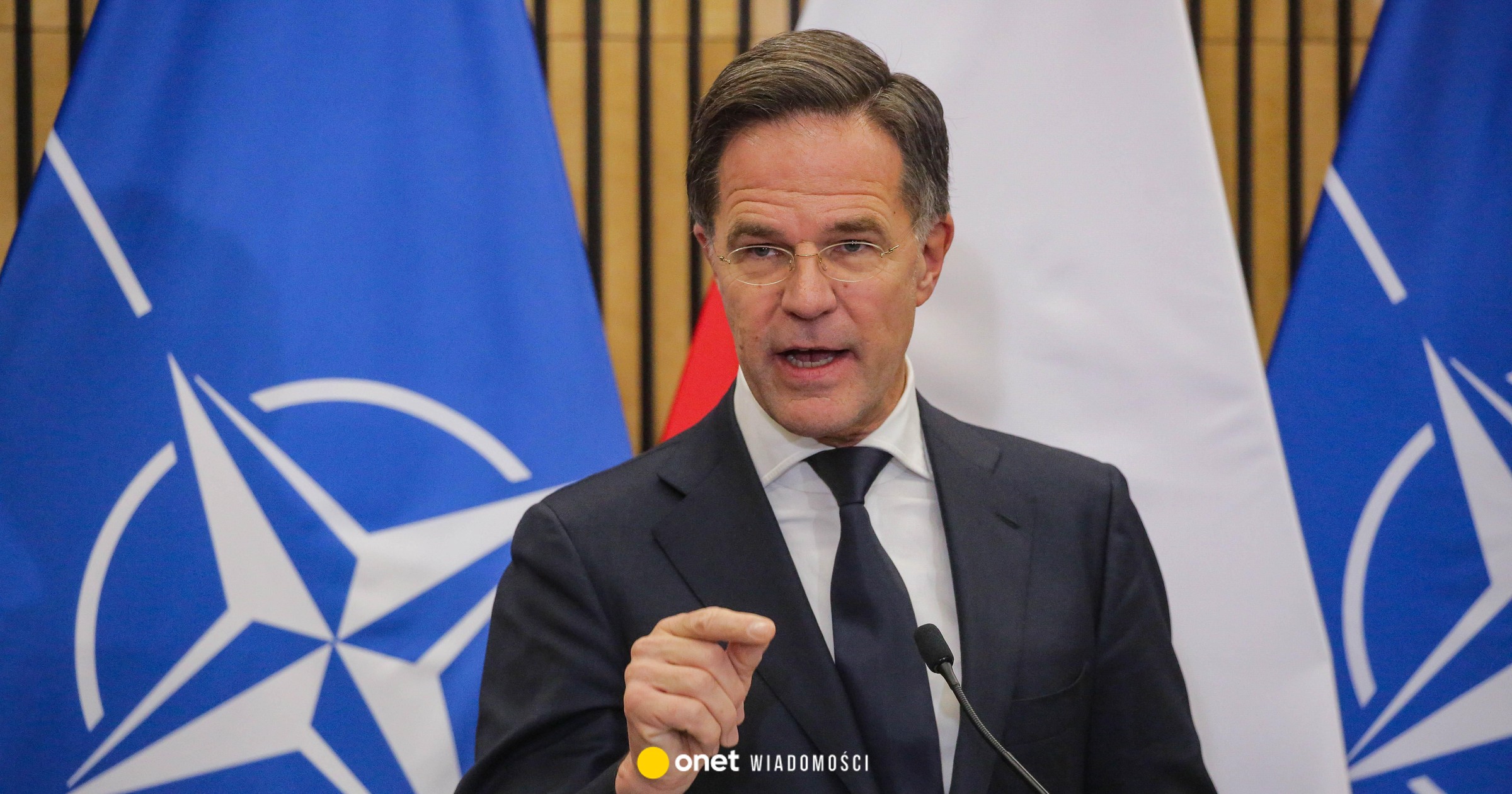
“Somewhat pointless” NATO mission in the Arctic. It is intended to appease Trump, not deter Putin

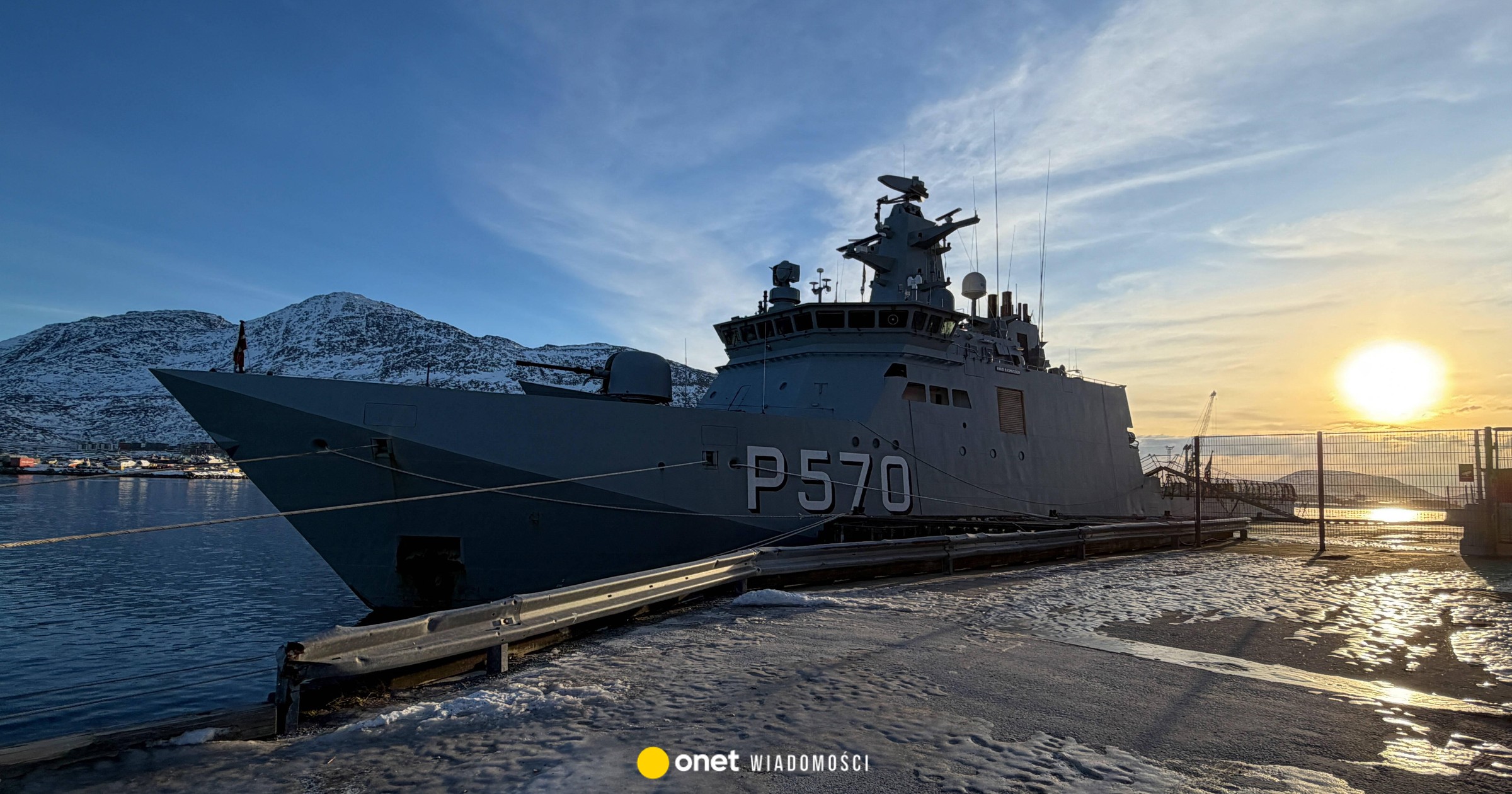
POLITICO spoke to 13 NATO diplomats, alliance officials and military analysts. Some asked for anonymity so they could speak freely about sensitive topics. They point to a significant change in NATO's course towards the Arctic – mainly under the influence of strong pressure from the USA, resulting from Trump's threats to annex the island – but the motivation here is political rather than urgent military need.
Officially, NATO presents its new Arctic Guard mission as particularly important, and the diplomatic actions of allies show this determination to maintain Washington's support — fearing that failure to make concessions to Trump on Greenland could have disastrous consequences.
“The threat is more hypothetical than real”
Experts emphasize that the fear of the threat is greatly exaggerated NATO is fully prepared to deal with Russia in the Arctic. — I hope they will limit themselves to changing the name of the activities already underway, says Karsten Friis, professor and expert on Arctic security at the Norwegian Institute of International Affairs. “But if there is massive staff involvement […]especially in Greenland, it will be very expensive.
— The threat is more hypothetical than real, admits one of the NATO diplomats, adding that the initiative is clearly symbolic and communicative in nature.
“I don't think NATO has any deficiencies in the Arctic.”
However, experts still doubt whether such a step has military justification. — I don't think NATO has any operational capability gaps in the Arctic. […] The United States may deploy its forces to Greenland at any time to defend the alliance, says Matthew Hickey, an analyst and former official at the Ted Stevens Center for Arctic Security Studies in the US.
In his opinion The US is able to transfer thousands of troops from Alaska to Greenland within 12-24 hoursthey also have experience in operations in this region thanks to cyclical Ice Exercises maneuvers. “So it's more of a communication problem than a real lack of opportunity,” Stevens emphasizes.

JD Vance, US Vice President, with American soldiers. Pituffik Station in Greenland, March 28, 2025.JIM WATSON / AFP
In his opinion, the US can easily modernize the early warning radar system in Greenland, and the melting ice will only make the marginal shipping route in the North Sea off Russia will become slightly more accessiblewhich is of little consequence for Greenland. Icebreakers also have little military use and are easy to track, Friis adds.
Russian-Chinese cooperation in the Arctic will remain “largely symbolic”, as noted by Marc Lanteigne, a political scientist and China expert from the Arctic University in Norway. Moscow is “nervous” about Beijing's long-term plans towards this region and is unlikely to give China greater access to it.
Despite this, Russia is “much weaker than NATO” – says Sidharth Kaushal, senior analyst at the Royal United Services Institute think tank. Since the start of a full-scale war against Ukraine, Moscow has lost two of the three brigades stationed in the far north. It will take “at least half a decade” to train their successors. Meanwhile, Norway, Germany, Denmark and the UK are buying Boeing P-8 patrol planes to better monitor the region.
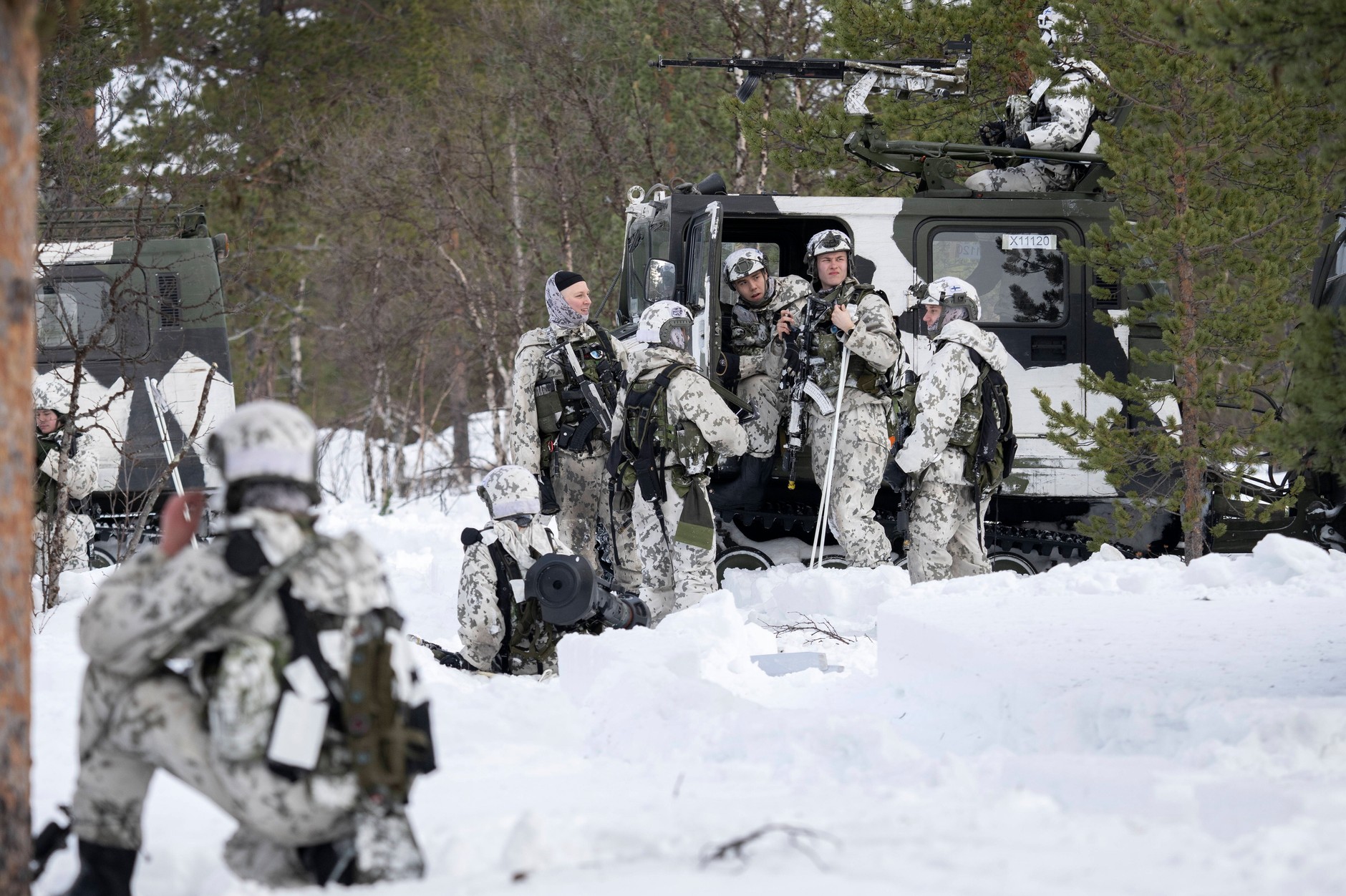
Finnish soldiers during NATO exercises in Hetta, northern Finland, March 5, 2024.EPA/Anders Wiklund/PAP
But NATO officially emphasizes that this is a significant strengthening of forces. A representative of the alliance told POLITICO that this initiative will “further strengthen NATO's position in the Arctic,” including: through joint exercises “involving tens of thousands of soldiers and equipment, […] enabling effective operation in arctic conditions.
Polar problems
Initially, the Arctic Guard mission is expected to include existing exercises such as the Danish Arctic Endurance in Greenland, under the command of NATO Joint Command in Virginia. Ultimately, this could mean sending planes and maritime patrolsaccording to two NATO diplomats, or even the creation of a permanent command.
There is also a belief within the alliance that the mission could act as a warning signal to Russia and Chinato stay away from Greenland in the future. Especially if the island decided to become independent and leave the alliance (which its leaders currently strongly deny), as NATO diplomats say.
According to Kaushal, the analyst quoted above, some additional actions could actually be helpful: e.g., deploying more unmanned surface units to track Russian submarines and filling the shortage of sonar operators at sea.
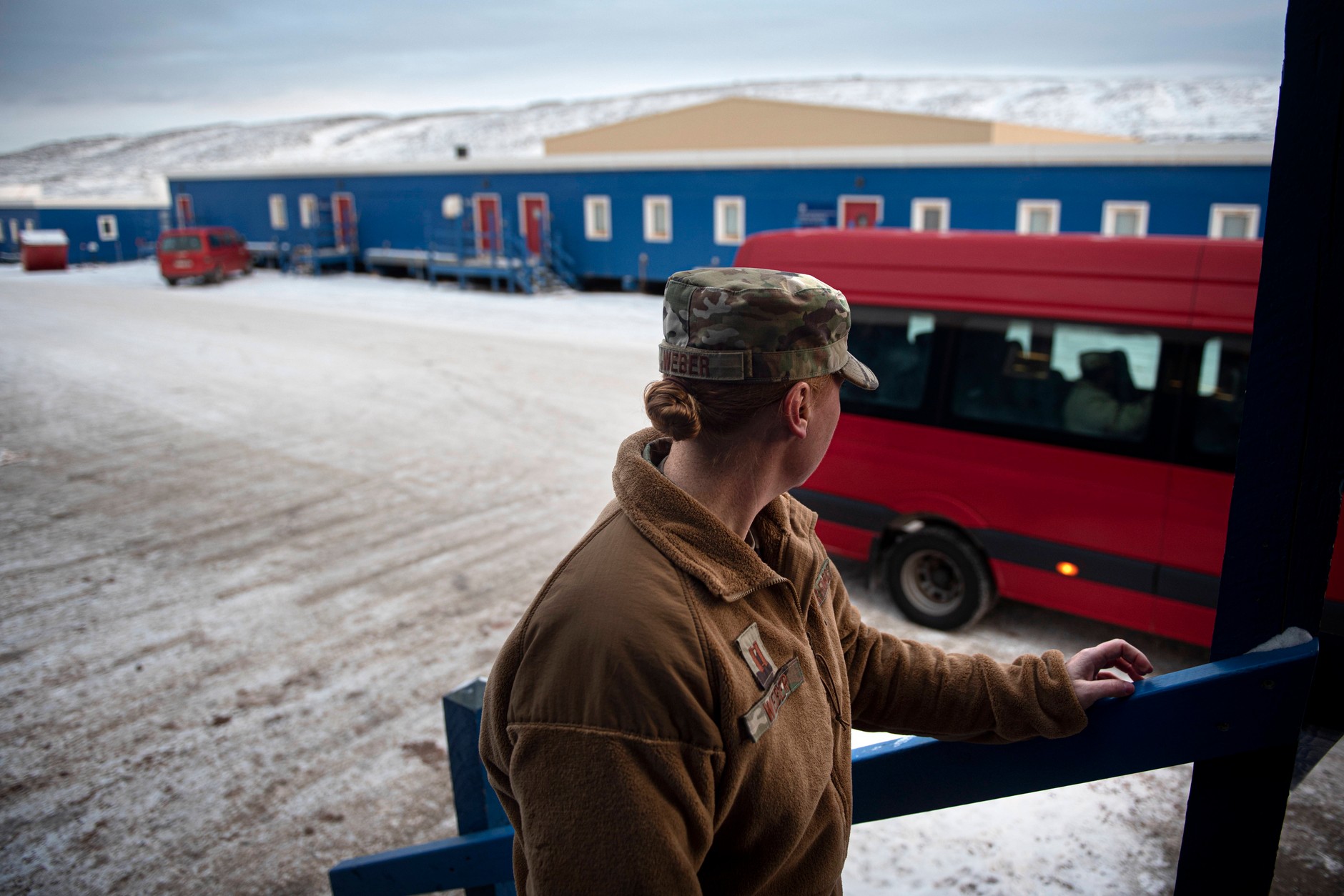
An American soldier shows journalists around Thule Air Base (now Pituffik Space Base) in Greenland, October 8, 2019.EPA/Ida Guldbaek Arentsen/PAP
There would, however, be a permanent military presence at sea in the Arctic “completely unnecessary and even dangerous”emphasizes Kaushal. — This would mean that the ships would be in difficult conditions, close to Russian territories, where the only support infrastructure is owned by the Russians.
But Rose Gottemoeller, former NATO deputy secretary general and U.S. undersecretary of defense, said deploying more troops to Greenland would be “costly and unjustified under current circumstances.”
Still, for some allies, putting up money and equipment is a price worth paying to prevent the alliance from falling apart. – Maybe it isn't […] the best way to use the limited resources we have, admits a fourth NATO diplomat, but the alternative is the collapse of the alliance. If the price is to send two ships to Greenland and 500 soldiers for joint exercises every now and then, then maybe it is worth paying.