It remains to be seen whether the three major nuclear powers are heading for a new arms race, or whether Trump is trying to jump-start negotiations on a new deal now that the last Cold War-era treaty has expired.
Five days after the last treaty on nuclear issues between the United States and Russia expired, the statements of some officials of the American administration clarified two things: Washington is strongly considering the placement of new nuclear weapons, while also being about to conduct a nuclear test, reports The New York Times on Tuesday, quoted by the Rador Radio Romania agency.
Both attempts would end nearly 40 years of tighter nuclear control by the United States — a country that has reduced or maintained the existing number of such weapons in stockpiles, bombers and submarines. After Ronald Reagan, Trump would be the first president who could increase their number, if he sees fit. And the last time the United States conducted a nuclear test was in 1992, although last year Trump said he wanted to resume detonations “as equals” with China and Russia.
So far, statements from the Trump Administration have been vague. Several scenarios that could bolster the arsenal by reusing nuclear weapons now in storage were said to be being evaluated, and Trump had prepared his advisers for a resumption of testing. But no one said how many weapons would be used and what kind of tests might be carried out. The details matter and could make us see if the three major nuclear powers are heading for a new arms race or if Trump is just trying to force the other powers to enter into tripartite negotiations on a new treaty, the New York Times points out.
“It's all a bit of a mystery,” says Jill Hruby, a nuclear expert who until last year headed the National Nuclear Security Administration — a branch of the Energy Department that designs, tests and manufactures US nuclear weapons. “What they are doing is very confusing.”
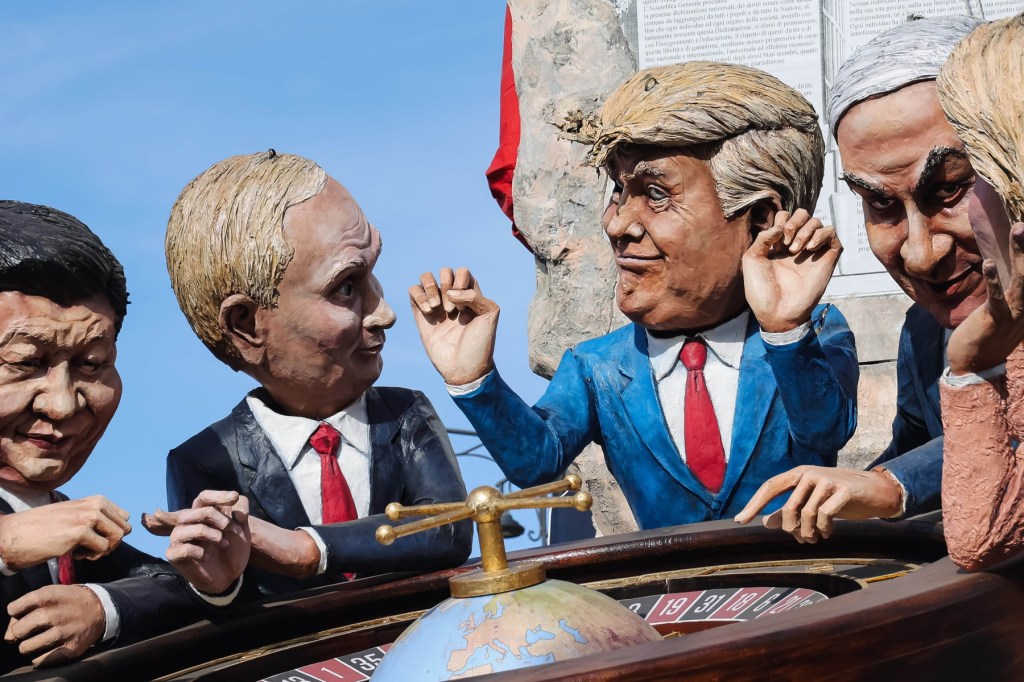
The signs appeared on Thursday, hours after New START — the treaty that limited the number of nuclear weapons the United States and Russia could use to 1,550 — expired. Trump rejected Russian leader Vladimir Putin's offer to unofficially extend the 15-year-old treaty — a legally binding commitment — while both countries considered negotiating a follow-up treaty.
 “Grossly violated.” Trump rejects Putin's offer of the latest US-Russia nuclear deal and proposes something else
That same day, the State Department sent Thomas G. DiNanno, Under Secretary of State for Arms Control and International Security, to Geneva to speak at the Conference on Disarmament held there. In his speech, he complained that “any unilateral coercion on the US is unacceptable,” while also pointing out that during his first term, President Trump withdrew from two previous treaties with Russia – the Intermediate-Range Nuclear Forces Treaty and the Open Skies Treaty – because both had been violated by the Russians.
He reiterated an already known case, invoked by many democrats in the national security sector, according to which New START would not cover the new types of nuclear weapons produced by Russia and China, while they argued that any new treaty would also have to impose some limits on Beijing, whose nuclear force is developing the fastest in the world.
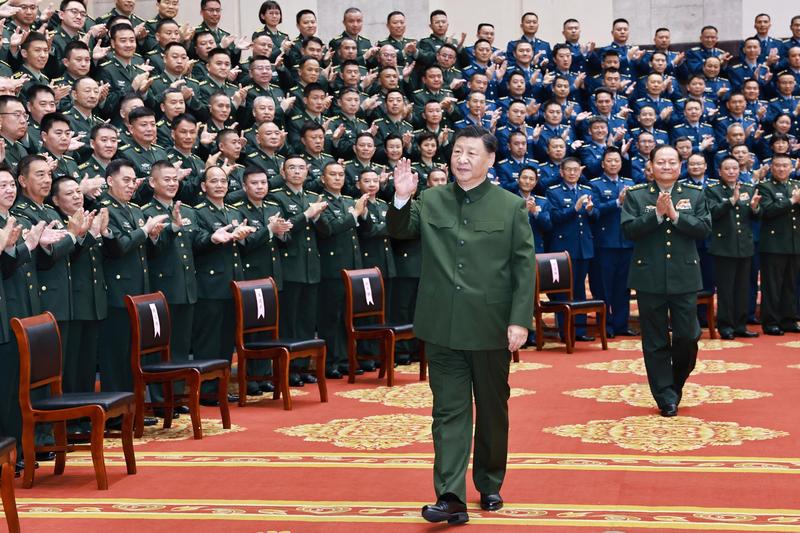 US accuses China of conducting secret nuclear tests and trying to cover up explosions 'to hide its activities from the world'
He then emphasized that the United States was now free to strengthen its domain “on behalf of the American people.” “We will complete our ongoing nuclear modernization programs,” he said, referring to the hundreds of billions of dollars spent on new stockpiles, new submarines and new bombers, after which he pointed out that Washington “retains its stockpile nuclear capability, but it could be used in the current security environment if it is coordinated by the president.”
He pointed out that one solution would be to expand current forces, as well as develop and deploy nuclear weapons with a wider field — the kind of nuclear weapons that Russia has deployed in abundance. (New START only targeted medium-range strategic weapons).
Of course, it is possible that such mobilizations are aimed only at drawing other nuclear powers into negotiations – a familiar form of nuclear “poker” during the Cold War. But it is equally possible that Russia and China would rather build up their forces.
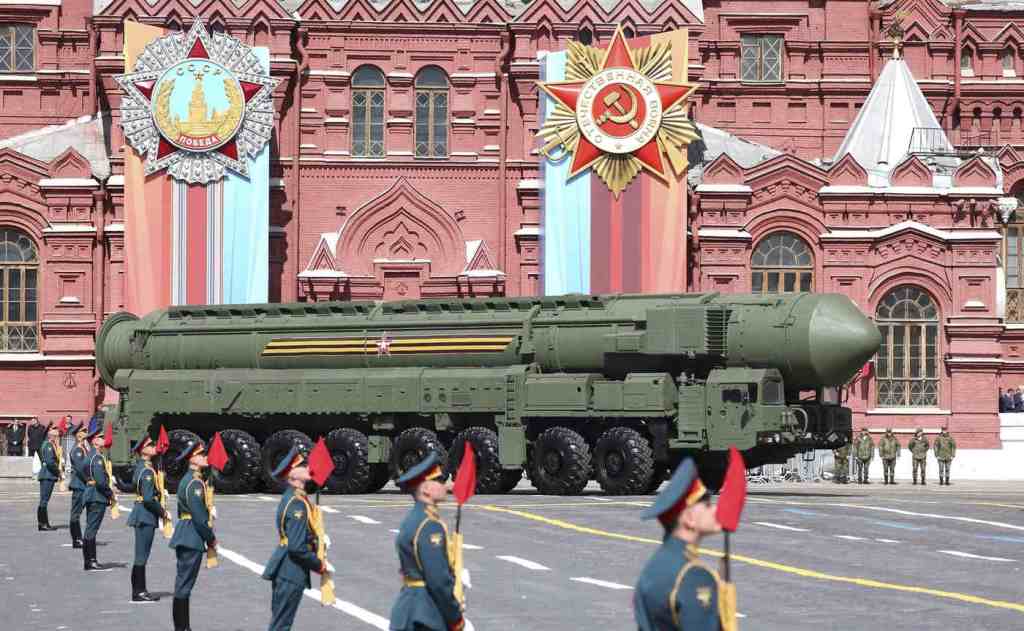 “A grave moment for international peace.” The last US-Russia nuclear arms control treaty expired today. Why is this worrying?
At least for now, China has not shown much interest in arms control, at least not until its forces are equal to those of Washington and Moscow. As Franklin Miller and Eric Edelman, two veteran nuclear strategists in former Republican administrations, pointed out last year in Foreign Affairs magazine, China “sees any desire to engage in arms control as a sign of weakness, and the transparency and vetting process that such an agreement would entail would amount to espionage-like meddling.”
In his speech in Geneva, DiNanno also offered the first explanation from a Trump Administration official about what Trump wanted to show when he ordered the resumption of nuclear weapons testing. In carefully chosen words, Trump made the equal footing statement shortly before his October meeting with Chinese President Xi Jinping. In an interview with The New York Times last month, Trump said he had discussed nuclear issues extensively with Xi. But he did not provide any details.