The Lewiatan Confederation calls for deregulation and clear strategies in the energy sector


“The energy sector is there a strategic pillar of state security, economic stability and quality of life of citizens [originalbold-noteed)”-wereadinthepackageofprioritydemandsfortheenergysectorpublishedonFebruary6bytheLewiatanConfederationTheorganizationbringingtogetherbothbusinessenergyconsumersanditsproducersfromtherenewableenergysectorandbeyondtakesasayinthedebateonthePolishtransformation[pogrubienieoryginalne—przypred)”—czytamywpakieciepriorytetowychpostulatówdlaenergetykiopublikowanych6lutegoprzezKonfederacjęLewiatanOrganizacjazrzeszającazarównobiznesowychodbiorcówenergiijakijejproducentówzsektoraOZEinietylkozabieragłoswdebacieopolskiejtransformacji
The rest of the article is below the video:
“This is an indicator of how we can develop”
Two main, complementary trends emerge from the points prepared by Lewiatan experts – companies want to act and ask for the elimination of barriers that prevent them from doing so, but they also want a framework set by the state. The transformation is to be market-driven, but not entirely spontaneous; private players need signposts.
These signposts are to be the still unupdated strategic documents in the field of energy, including primarily the National Energy and Climate Plan and the more detailed Polish Energy Policy until 2040.
— Documents are an indicator of how we can develop, said Paulina Grądzik, deputy director of the energy and circular economy department at Lewiatan, at the meeting on February 6. Companies associated in the organization want the strategies to answer questions about electrification, integration of energy and heating, construction of new energy sources and network expansion.
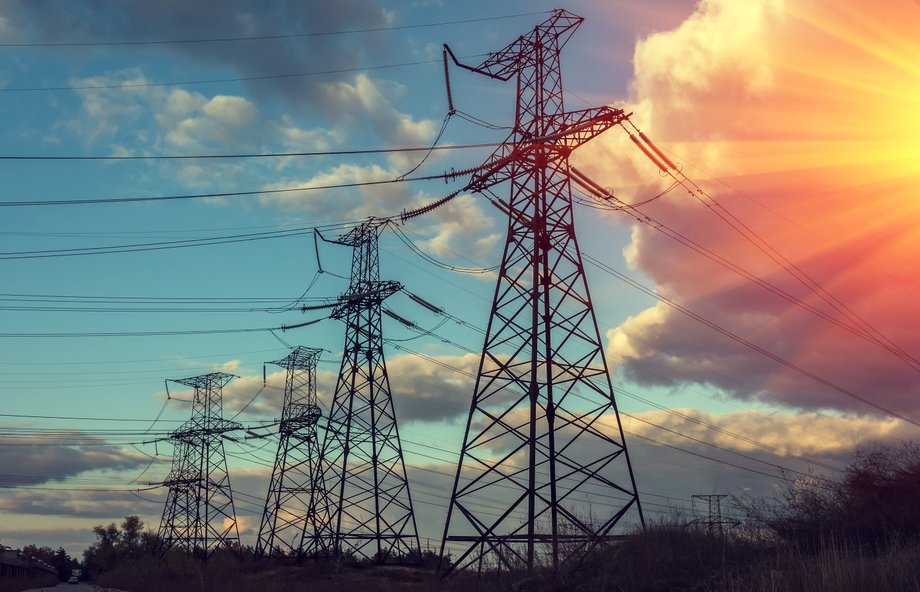
Power lines
|
Lumppini / Shutterstock
“Far-sighted perspective”
In addition to the overarching documents which, as in the case of NECP, EU law also requires Poland to adopt, representatives of the organizations also want to adopt sectoral strategies. A separate item on the list of demands includes “an ambitious update and implementation of the national hydrogen strategy.” Failure to do so will expose our country to the loss of EU funds for the implementation of the technology, and according to Lewiatan, the strategy should define the framework for the production, transmission, storage and use of hydrogen – especially in industry and transport.
Read also: Sanok focuses on heat from photovoltaics and green hydrogen. He won't spend a penny on it
Documents, both the “highest” ones and those relating to specific industries, are intended to allow for… removing the energy transformation from the political dispute and building a broad consensus around its most important directions. Only a “far-sighted perspective” based on such a consensus will enable effective and beneficial decarbonization of the entire sector.
Joanna Bolesta, chairwoman of the Renewable Energy Council of the Lewiatan Confederation, pointed to examples of technologies that already enjoy massive support from public opinion and various political parties, such as nuclear energy, biogas or offshore wind energy.
– In our opinion, this approach should be “spread out” to the entire energy sector. After all, we strive to build a diversified mix in which each technology plays its role – said the expert.
More facilities for windmills
The technology that, in Lewiatan's opinion, should be covered by such a “far-sighted” consensus is onshore wind energy. There is a lot of talk about the obstacles to this branch of renewable energy, and they are not limited to distance regulations – According to the industry, the biggest problems are long environmental procedures, restrictions on network access and different interpretations of regulations on the part of the administration.
Lewiatan supports changes that are already being processed in the draft amendment to the RES Act, including: parallel conduct of planning and environmental procedures or strengthening institutions such as Regional Directorates for Environmental Protection.
Read also: Low salaries in offices hinder the development of renewable energy. There will be no transformation without efficient administration
The business diagnoses various threats to wind farms, including strict guidelines for bodies assessing environmental conduct and the resistance of the Ministry of National Defense and the army to locating wind farms near military facilities; We will come back to these topics later.
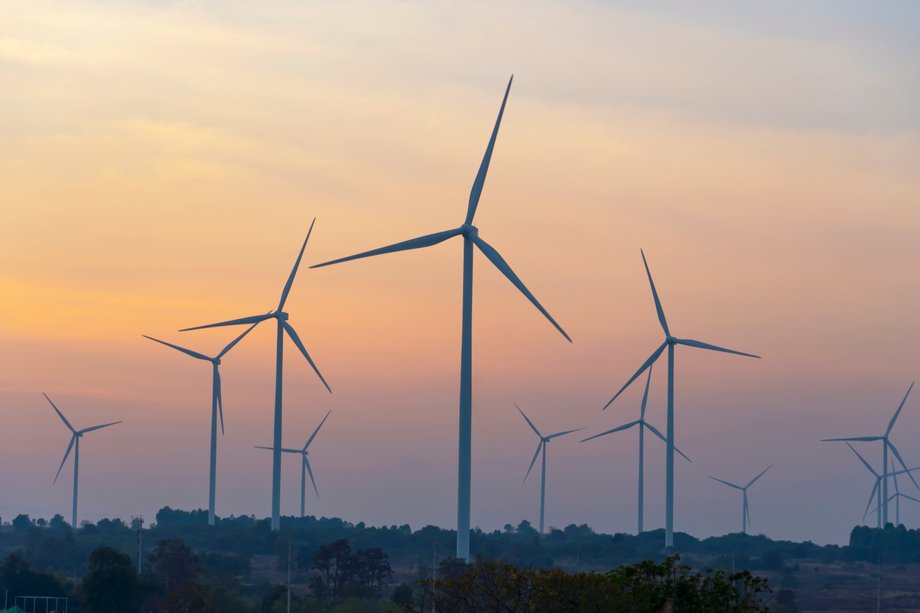
Onshore wind farm
|
bombermoon / Shutterstock
Network queue solution
Greater deregulation, simplification of regulations and elimination of administrative barriers are the demands made by Lewiatan not only in the matter of onshore wind energy, but also in relation to the entire energy industry.
“Deregulation should support the development of flexible business models, accelerate investments in renewable energy, energy storage and digitalization, as well as enable effective cross-sector cooperation in system integration.” – we read in the published document.
The indicated facilitations include improved connection processes for new sources, along with better use of the existing network infrastructure. This brings back demands for more transparent information from operators about available capacity and unblocking queues by eliminating projects that have no chance of being implemented. Lewiatan also wants a new model of network fees towards more variable fees.
The demand for electricity from the grid is decreasing
The list of demands is longer; it also includes the introduction of more favorable rules for energy storage on the capacity market, enabling the free conclusion of contracts between heat producers and industrial recipients (by moving away from the approval of tariffs by the President of the Energy Regulatory Office), granting a greater role to biomass in the transformation of heating, and support for hydropower.
Lewiatan also argues for support for biomethane production, among others, by introducing an auction system for installations above 1 MW or limiting the phenomenon of redispatching of non-market RES (forced shutdowns by the operator), e.g. by giving preferences to producers who have concluded contracts for the sale of energy.
Presenting their proposals, representatives of the Lewiatan Confederation emphasized that solutions such as electrification are profitable for the entire economy because they increase its resilience and reduce dependence on imported raw materials. Wojciech Graczyk, chairman of the Association of Private Energy Employers, also noted that the development of prosumer energy installations, but also the slowdown in some industries, lead to a decline in demand for electricity from the grid. As he stated, Thoughtful integration of renewable energy sources, which will help the economy become more electrified, is even more needed today.