The end of the fairy tale with princes and princesses. How the Høiby and Epstein files are shaking European monarchies

The call came in at 4:27 am. Address: one of the most expensive residential complexes in Frogner district, Oslo, where the price of one square meter is equivalent to the annual salary of a nurse. It was an August night, the windows were open, but the neighbors didn't hear anything — the buildings are solid, and the tenants, used to not getting involved in other people's problems.
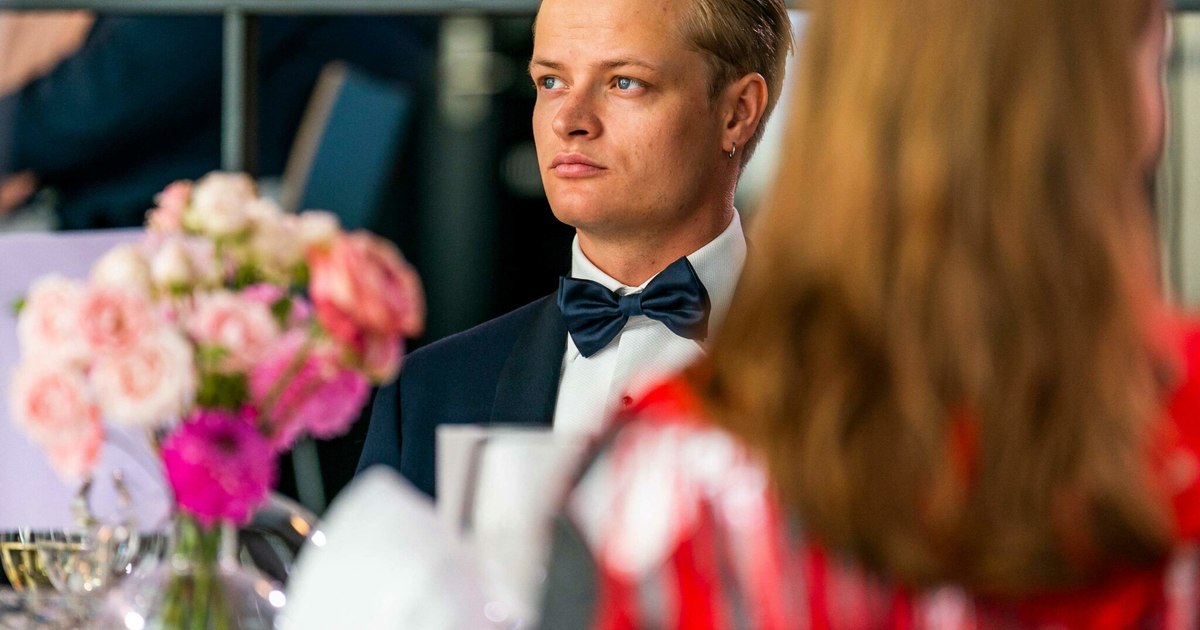
Marius Borg Høiby, son of Crown Princess Mette-Marit, the future queen of Norway/FOTO:X
The suspect: a 27-year-old man, blond, tall, with tattoos on his neck and arms. Analyzes indicate the presence of cocaine, ecstasy and cannabis in the blood. The victim: a woman with whom he had a relationship. The medical crew's diagnosis: concussion, multiple contusions on the face and body. In the wall above the bed—a hole made by a knife. On the coffee table — traces of white powder. On the floor—broken crockery and overturned furniture.
It is the criminal case against Marius Borg Høiby, the son of Crown Princess Mette-Marit, the future queen of Norway.
A criminal case with institutional implications
On February 2, police in Oslo arrested Høiby a day before the start of his trial on 38 charges, including four counts of sexual assault. The court approved the prosecutors' request for preventive detention, citing the high risk of recidivism.
Marius Borg Høiby is the son of Princess Mette-Marit from a previous relationship and the stepson of the future king, Haakon. He holds no titles and has no official duties. However, he grew up in royal residences and benefited from the status and access that came with being close to the Royal House—an ambiguous position in an institutional “grey area.”
Unlike princes educated strictly within monarchical protocol, Høiby enjoyed the privileges of public life without the traditional constraints of responsibility or public service. Critics speak of an accountability vacuum created by this situation.
The palace tried to delimit the case from the institution of the monarchy. Crown Prince Haakon has publicly stated that he will not comment on the trial and will not be present at the hearings, stressing that Høiby is not a member of the Royal House. In the age of total transparency, analysts say, this strategy has limited effectiveness.
From success story to crisis of confidence
Høiby grew up in the public eye, appearing in official Christmas cards and being part of the modern-day story of Princess Mette-Marit — the former single mother who became heir to the crown. In 2024, a police hearing revealed that Prince Haakon and Mette-Marit were paying his personal expenses. Allegations have also surfaced that the princess warned her son of possible arrest and influenced evidence or witnesses — allegations she denies.
At the hearing on 4 February, Høiby said he had led “a life full of parties and alcohol” and that few could understand the pressure he lived under. “I am only known as my mother's son. Nothing more. I had a dire need to assert myself,” he said.
The public impact was immediate. Norway's largest women's organization Sanitetskvinnene has reported a significant increase in requests for help from victims of domestic violence. “Media visibility reduces psychological barriers. Openness breaks taboos,” said the general secretary of the organization.
The Epstein files and another blow to the Norwegian crown
On January 30, the US Department of Justice released more than 3.5 million documents from the Jeffrey Epstein case. The new files contain almost a thousand references to Princess Mette-Marit, including correspondence from 2011-2014, after Epstein was convicted and registered as a sex offender.
The messages reveal a personal and intimate tone. The princess wrote to Epstein that he “stimulates her mind”, called him “charming” and “beloved”. In a later statement, Mette-Marit admitted she had checked his background online and knew he “didn't look good” but continued the correspondence.
The documents confirm that in 2013 the princess spent four days at Epstein's residence in Palm Beach. In a statement on February 1, she said she regretted any contact with Epstein and that she did not sufficiently investigate his background.
Norway's Prime Minister Jonas Gahr Støre publicly said the princess “showed a lack of judgment” — a rare and significant statement from a head of government about a member of the royal family, writes Zerkalo Nedeli.
Erosion of public support
A poll conducted for TV2 shows that 48% of Norwegians oppose the idea of Mette-Marit becoming queen, while only 29% support her. Support for the monarchy fell to 61% from 72% a year earlier, and support for the republic rose to 27%.
On 3 February, the Norwegian parliament debated four proposals to amend the Constitution, including the abolition of the monarchy. Although the initiative did not pass, 26 deputies voted in favor of transforming Norway into a republic.
A wider European crisis

Images from Epstein's files with former Prince Andrew/FOTO:X
Scandals in Norway are not isolated. The Epstein files have also affected the British Royal House, strengthening suspicions about former Prince Andrew, who has been stripped of his titles in 2025. The British Prime Minister said he must be prepared to testify before the US Congress.
In Denmark, King Frederik X faces the consequences of publishing controversial photos from Madrid. In Spain, accusations of infidelity targeting Queen Letizia have reignited the debate about the credibility of the institution. In Sweden, support for the monarchy remains relatively stable, but trust in the Royal House is significantly lower than in other public institutions.
The monarchy in an age of radical transparency
The medieval concept of the “king's two bodies”—one physical, imperfect, and one symbolic, sacred—seems increasingly difficult to sustain in an age of total digitization. Private emails, photos and court documents can become public overnight.
Arriving in the same media arena with celebrities and influencers, European monarchies lost their symbolic protection of sacredness. Without this, critics say, they risk being perceived as expensive institutions with deeply human problems, financed from public money, notes zn.ua.