2026-02-08 19:40
publication
2026-02-08 19:40
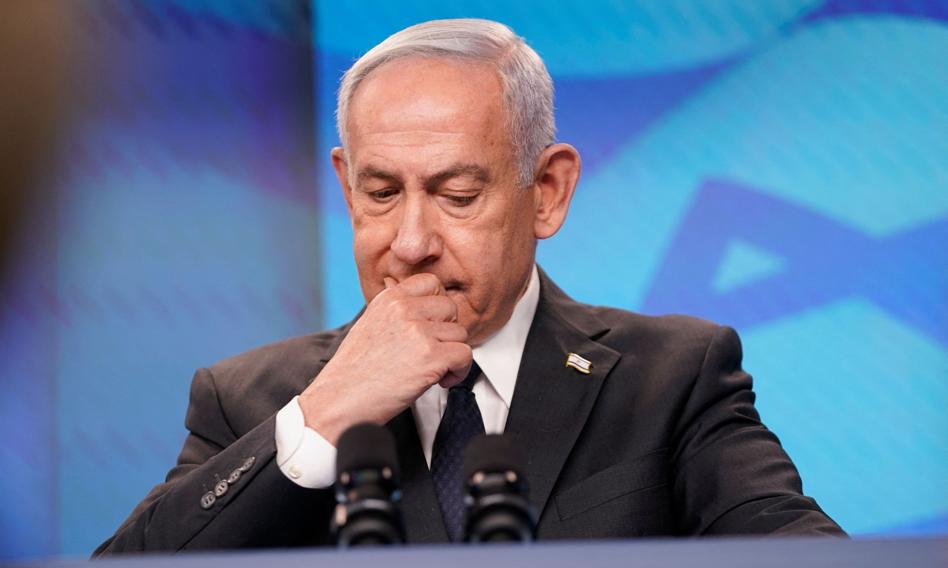
Israeli Prime Minister Benjamin Netanyahu has advanced his visit to Washington by a week, the press office of the head of the Israeli government reported on Sunday, quoted by Axios. The main topic of the conversation with US President Donald Trump will be issues related to Iran.
Axios recalled that Netanyahu was originally supposed to be in the US capital on February 18. According to the portal, the Israeli prime minister's visit being brought forward by a week may be related to the recent US-Iranian negotiations. After the meeting of the delegations of both countries, which took place on Friday in the capital of Oman, Muscat, both Trump and the Iranian Foreign Minister, Abbas Aragchi, spoke positively about the prospect of resuming official negotiations.
On Friday in Muscat, US presidential envoys Steve Witkoff and Jared Kushner talked with Aragchi about the possibility of resuming official negotiations on the Iran nuclear agreement. After the meeting, Trump said they were “very good talks” and Tehran was “very keen” to reach a deal with Washington.
Iran's foreign minister announced that Tehran is “ready” to conclude an agreement with Washington, which, as he said, will calm down the situation surrounding Iran's nuclear program. In an interview with Al Jazeera, Aragchi emphasized that he had already agreed with the US to resume negotiations. He noted that their date is still an open matter.
According to Axios, Netanyahu's statement may indicate the Israeli prime minister's fears that the United States will seek to conclude the so-called a narrow nuclear deal that will not address Israel's other concerns.
A statement from Netanyahu's press office emphasized that “any negotiations must include restrictions on Iran's ballistic missiles and the cessation of support for the Iranian axis.” The Israeli authorities understand the “Iranian axis” as the network of Iran's regional allies, which includes, among others: Lebanese Hezbollah fighters or Yemen's Houthi movement.
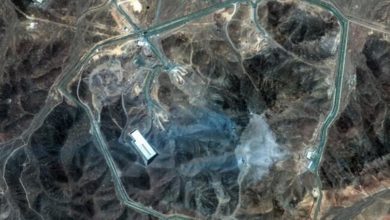
After Friday's talks in Muscat, Trump also expressed the opinion that Iran's position is now “more favorable than in June last year.” Fearing the further development of Iran's nuclear program, Israel then carried out airstrikes on nuclear facilities in Iran. In response to this operation, Iranian aircraft fired on targets in Israel. The exchange of fire ended with the US Air Force bombing Iran's nuclear installations. (PAP)
piu/ rtt/