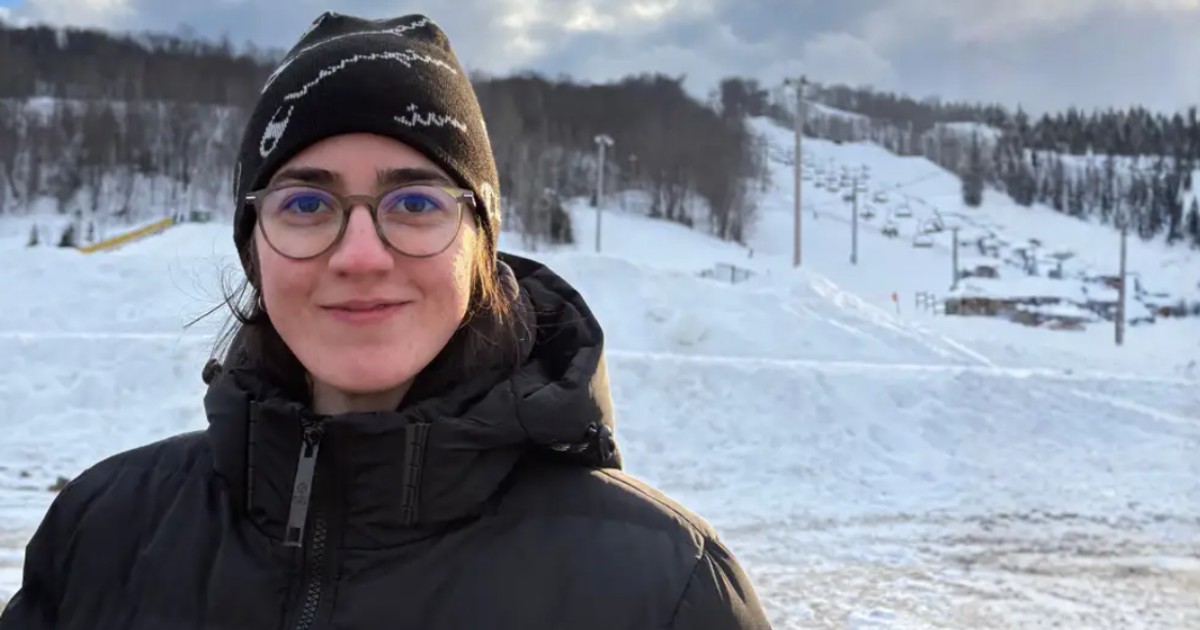
This essay in the form of a first-person account is based on a conversation with 24-year-old Zina Malas, who lives in Beirut. The text has been edited for length and clarity.
When I visited Canada as a five-year-old, it seemed like a dream come true.
I was born and raised in Lebanon, growing up afraid that I might be kidnapped in the street or that a random bomb would fall on me. After the war broke out in 2006, our family moved to Canada to escape the danger.
I loved this place. There were beautiful parks and “exotic” activities like ice skating. However, after a few months, my family returned to Lebanon, where I completed my bachelor's degree.
In 2022, at the age of 21, I moved to Canada on my own. And it wasn't like I imagined.
Read also in BUSINESS INSIDER
After three years, I was still struggling to find a job and save money, and I started to feel very depressed, so I returned to Lebanon.
I would still advise others to try life abroad, but living in Canada just didn't work for me.
I was desperate to leave Lebanon
Life in Lebanon was difficult. I felt like I had lost my youth and desperately wanted to leave – even if I had to work for minimum wage.
My studies in media and communications at the American University of Beirut were disrupted by the revolution that began in the fall of 2019, the COVID-19 pandemic, and the August 2020 explosion at the port of Beirut.
I already had friends in Montreal and Canadian citizenship through one of my parents, so I went to Canada and gave myself three months to find a job.
See also: Mr. Adrian returned from emigration in the Netherlands. “I made money, but at what cost”
I didn't realize how difficult it would be to find a job in Canada
Even though my friends in Montreal warned me that finding a job wouldn't be easy, I didn't think it would be this hard.
They were right. It was absolutely terrible.
In Lebanon, where I worked part-time during my studies, I felt less competition in the labor market. I was used to sending an application to a potential employer, DMing the company on Instagram, and scheduling an interview the next day. In Canada, I applied for positions in marketing, social media and business development – I felt I had the right skills – but nothing came of it.
Some recruiters told me I didn't have the right experience. I don't know if it was because it was Lebanese and not Canadian, but I felt like they treated me as if I had no work history at all.
I also had trouble understanding people speaking French with a Quebecois accent, a dialect spoken in Montreal. I went to a French school in Lebanon, so I'm fluent, but there was no way in hell I could understand that particular accent, which cost me several chances.
Currently, Zina runs her own company in Lebanon
| Zina Malas (private archive)
After sending what I estimate was at least 200 applications, I contacted a Lebanese HR specialist who saw my CV and gave me the opportunity to interview for the position of content manager. After about three months of searching, this was my first job in Canada.
I stayed in this company for a year and a half, and then I moved to technology sales in another company for a few months.
The cost of living and isolation in Canada made me want to leave
In Lebanon, the work culture was generally less formal. I could show up to the office late in casual attire and no one said anything. We were able to have unorganized files and communicate with the team via WhatsApp. It was friendly and relaxed.
In Canada everything was more organized. I knew exactly what my tasks were and I was given the appropriate equipment. I remember being shocked when I was assigned a MacBook and a work phone number.
See also: I used to resent my employees for taking long holidays. Here's why I don't think that anymore
My earnings in Canada were good compared to what I could earn in Lebanon. I had a comfortable life, a nice apartment, and I ate well. But with the costs of rent, bills and groceries, I feel like I haven't saved much and I basically lived paycheck to paycheck. That was one of the reasons I left.
Another reason was how difficult it was to meet new people and my mental health suffered. Canadian culture is very individualistic, which is very different from the Middle East. In Lebanon, if I go out to a restaurant with one friend, I end up meeting ten new people. When I tried to talk to people in Canada while going out, the conversations quickly stopped. If it weren't for the fact that my roommate had friends – whom I luckily had a great time with – I would probably be completely alone.
I imagined that I would meet lots of new people and have the time of my life, but my expectations did not come true. Moreover, I couldn't stand the cold.
In September 2025, I returned home.
Now I run my own business in Lebanon and I am happier
I currently run my own company, Tawlé Consultancy, which helps businesses in the MENA region (an acronym in English, referring to the Middle East and North Africa) that are failing or feel stuck. I started it in Canada, but working on it from the West seemed strange to me – as if from a distance, from a moral superiority, I was telling people what to do. Now I can sit at the table with them, help them come up with new ideas, and feel like I have a real, valuable impact.
I noticed that many people my age in Lebanon are also trying to build something of their own. Our generation has been through a lot and we are trying to find and stabilize our position. When I go to coffee shops, I see so many business founders around me. It's very inspiring.
Living in a stable country like Canada was reassuring – I wasn't worried about my physical safety and it helped me cope with the trauma I experienced in Lebanon.
But I'm happier living in Lebanon. I realized that I was too Lebanese to live anywhere else.
The above text is a translation from American edition of Business Insider
I’m Ashley Davis as an editor, I’m committed to upholding the highest standards of integrity and accuracy in every piece we publish. My work is driven by curiosity, a passion for truth, and a belief that journalism plays a crucial role in shaping public discourse. I strive to tell stories that not only inform but also inspire action and conversation.