Elections in Hungary. The opposition Tisa party promises the euro and a wealth tax, but retains some Orbán-era policies

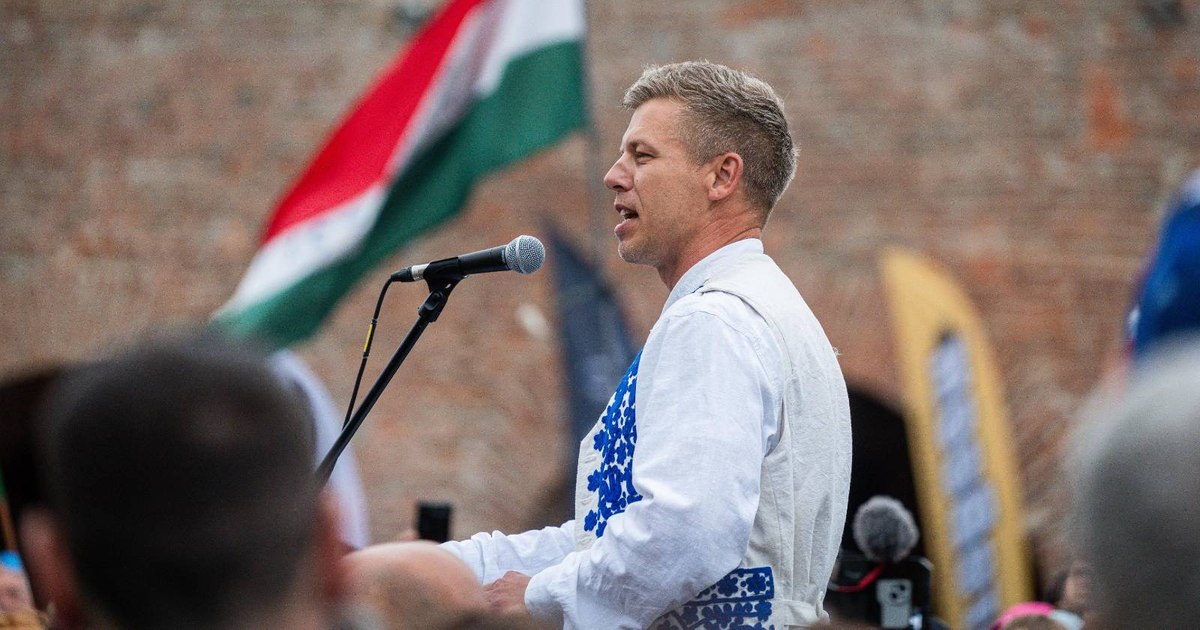
Hungary's opposition Tisa party is trying to establish itself as a credible alternative to Prime Minister Viktor Orbán's government, presenting a broad political platform ahead of elections scheduled for April, Bloomberg and Reuters report.
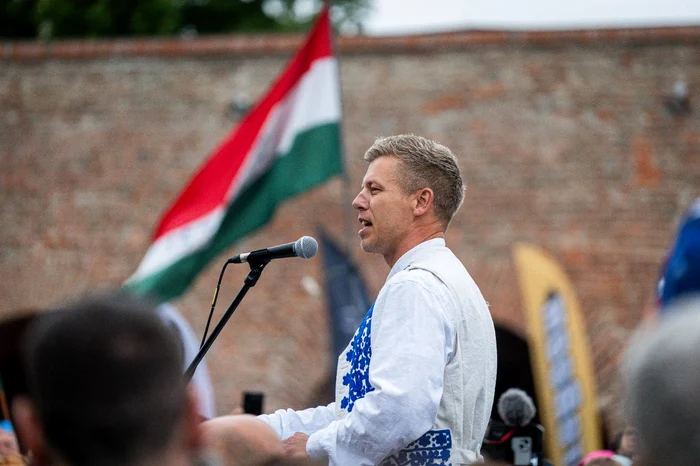
Péter Magyar, leader of the Tisa party
In a 240-page document, entitled “The foundations of a functional and humane Hungary”, the group promises economic stability, the fight against corruption and a firm repositioning of the country in the European Union and NATO. The program envisages simplifying the tax system and eliminating ad hoc changes to budget rules, a practice frequently criticized during the Orbán government.
The Tisa party is led by Péter Magyar, a former member of the ruling Fidesz party, who has become the main political rival of the Hungarian prime minister in the past two years. According to most independent polls, Tisa leads Fidesz by between 8 and 16 percentage points among decided voters, although institutes close to the government still indicate an advantage for the ruling party.
Annual wealth tax for the richest citizens and joining the Eurozone
One of the most sensitive promises in the program aims to introduce an annual wealth tax for the richest citizens. Specifically, people with a fortune exceeding one billion forints (about $3.1 million) would pay a 1% tax applied to the amount that exceeds this threshold. In parallel, Tisa proposes reducing the income tax for employees with salaries below the national average.
The program also envisages the adoption of the euro, with the party pledging to set, in the event of an electoral victory, “a realistic and predictable date” for the transition to the single European currency — a topic so far avoided by governments led by Orbán.
In terms of energy, Tisa promises to reduce Hungary's dependence on Russian resources by 2035 and to double the share of renewable sources by 2040. Although it supports the maintenance of nuclear energy in the energy mix, the party announces a “full audit” of the Paks 2 nuclear power plant project, carried out with the involvement of Russia.
However, the formation does not completely break with the policies of the current government. Tisa announces that it will maintain the ceiling on utility prices for the population and declares itself against the acceleration of Ukraine's accession to the European Union — positions close to those promoted by Viktor Orbán.
In the field of public services, Péter Magyar promises rapid reforms in health, education, social protection, the child protection system and public transport. “We will immediately begin the necessary reforms for Hungary to become a functional and humane state,” the opposition leader said in a video message introducing the program.
Prime Minister Viktor Orbán has so far downplayed the risk of electoral defeat, saying his main opponent is not the domestic opposition but “Brussels”. According to some Bloomberg analyses, Orbán would also have analyzed alternative scenarios for maintaining political influence, in case of losing the elections, including through a possible institutional repositioning at the top of the state.