Japan tempts with electronics. The weak yen is a chance for cheaper shopping for Poles


We have already written extensively on our website that the current Japanese political and economic situation may be an opportunity for investors, but now we wanted to draw attention to the more consumer aspect of this situation: the low exchange rate of the Japanese currency, currently at less than PLN 2.3 per 100 yen, makes Japan an eldorado for people looking for bargains on electronics.
Let's start with what's most important: How much can you save? Of course, it depends on the type of product and its price. On products from global brands like Apple – most likely little or even nothing. However, on products of Japanese brands such as Sony, Panasonic, Fujifilm, Canon, Nikon, Nintendo, etc. realistically from several to a dozen or so percent — after taking into account all additional fees, which we will talk more about in a moment.
You can often save the most by purchasing cameras and lensesbut fans of other electronic devices – especially those more niche or collector's editions – can find something for themselves in Japanese stores.
Where to buy Japanese electronics?
The easiest way to buy Japanese electronics is using the Japanese version of Amazon. The store is translated into English and some of its sellers (including Amazon itself) ship orders directly to Poland.
In this situation, all items are added to the cart additional fees such as 23 percent VAT and all shipping costs. You don't have to worry about customs duties, because the customs duty on electronics from Japan is 0% in the EU.
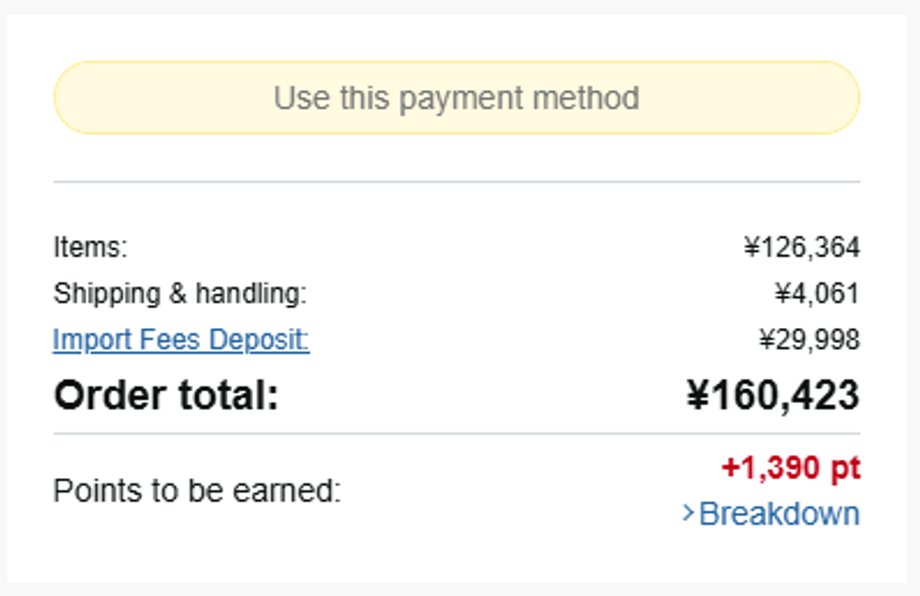
When we order equipment on Amazon Japan that has the option of direct delivery to Poland, the necessary fees are automatically added.
|
Onet
Unfortunately, very often the equipment is found on websites such as the already mentioned Japanese Amazon, Rakuten or Japanese e-bay you have to buy with the help of intermediariessuch as ZenMarket or Buyee (both websites have a website in Polish). Luckily their services are relatively cheap, costing several hundred yen (i.e. less than PLN 20), so they do not significantly affect the final cost of larger orders.
You just need to pay attention to whether VAT has been added in advance before shipping the parcel, or whether it will have to be paid before receiving it.
Read also: Japan in the spotlight. Markets are looking east with concern
Pitfalls to watch out for when shopping in Japanese stores
Before you start shopping, you need to know about a few potential pitfalls.
The first is that in Japanese sockets the voltage is 100 V. This means that when buying electronics, you need to pay attention to whether it has a universal power supply (i.e. supporting both 100 and 230 V) or a “Japanese” one. In the case of equipment powered by USB-C, this is not a problem, but when we are talking about an integrated power supply, a mistake can be very costly.
The second is that although the rigid regional lockdowns that were popular around the turn of the century are in the vast majority of cases a thing of the past, special Japanese versions of the devices still existwhich, for example, only have a Japanese software language – and there's not always something you can do about it. For example, the Nintendo Switch 2 console, Sony cameras, and some Panasonic devices have it you can often recognize them by the fact that they are… cheaper than their international counterparts. For example, the mentioned Switch 2 with a language lock and accepting only Japanese Nintendo accounts costs only 50,000 yen, which is less than PLN 1,200 at the current exchange rate.
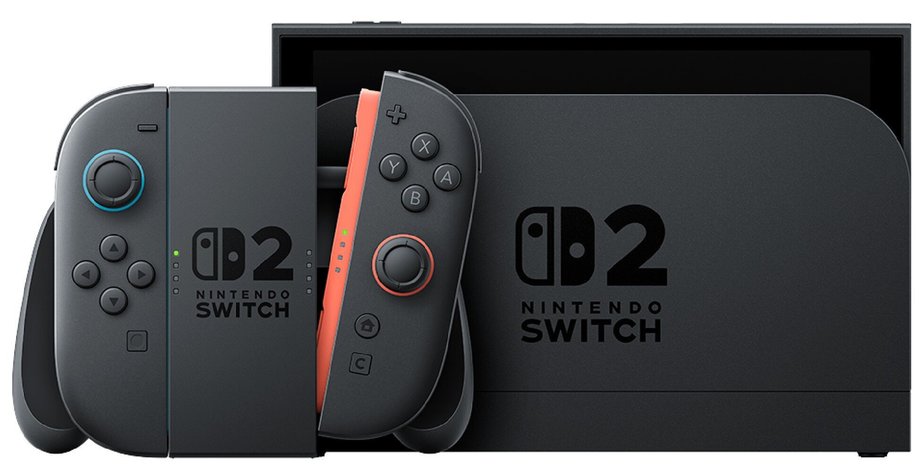
The Nintendo Switch 2 console has a special, much cheaper Japanese version, which, however, is of little use outside this country. You need to be careful with such devices when importing electronics from Japan.
The last thing we will mention is of course warranty, or rather the lack of it. There are few products with a true, full global warranty, which allows you to buy a device in one country and send it for service in another. In other cases, you have to take into account sending the equipment to Japan at your own expense, which in practice means in many situations that when you buy something in the Land of the Rising Sun, you give up the warranty. Before buying something more expensive, you need to check carefully what you can count on in this matter and carefully consider whether the possible savings are worth it.
Is importing electronics from Japan really profitable?
Yes – but only in certain cases. The greatest benefits come from purchasing more expensive devices from Japanese brands – especially cameras and lenses, where price differences can reach several percent even after adding VAT and shipping costs. Profits diminish quickly with cheaper products, equipment from non-Japanese brands, and in situations where there are regional restrictions, incompatible power supplies, or no real warranty. The weak yen opens up an interesting shopping destination, but does not exempt you from careful counting and checking specifications before clicking “buy now”.