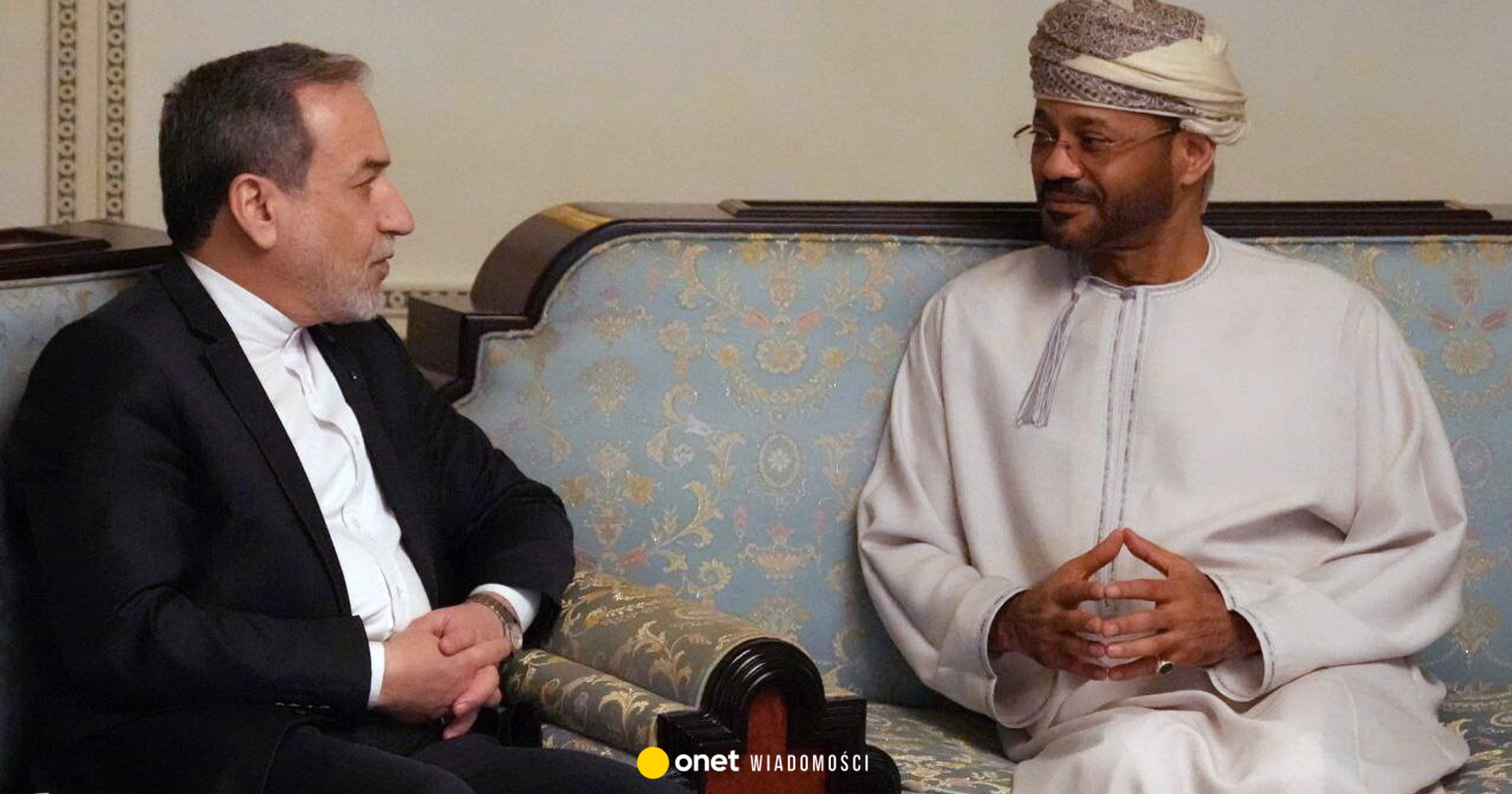
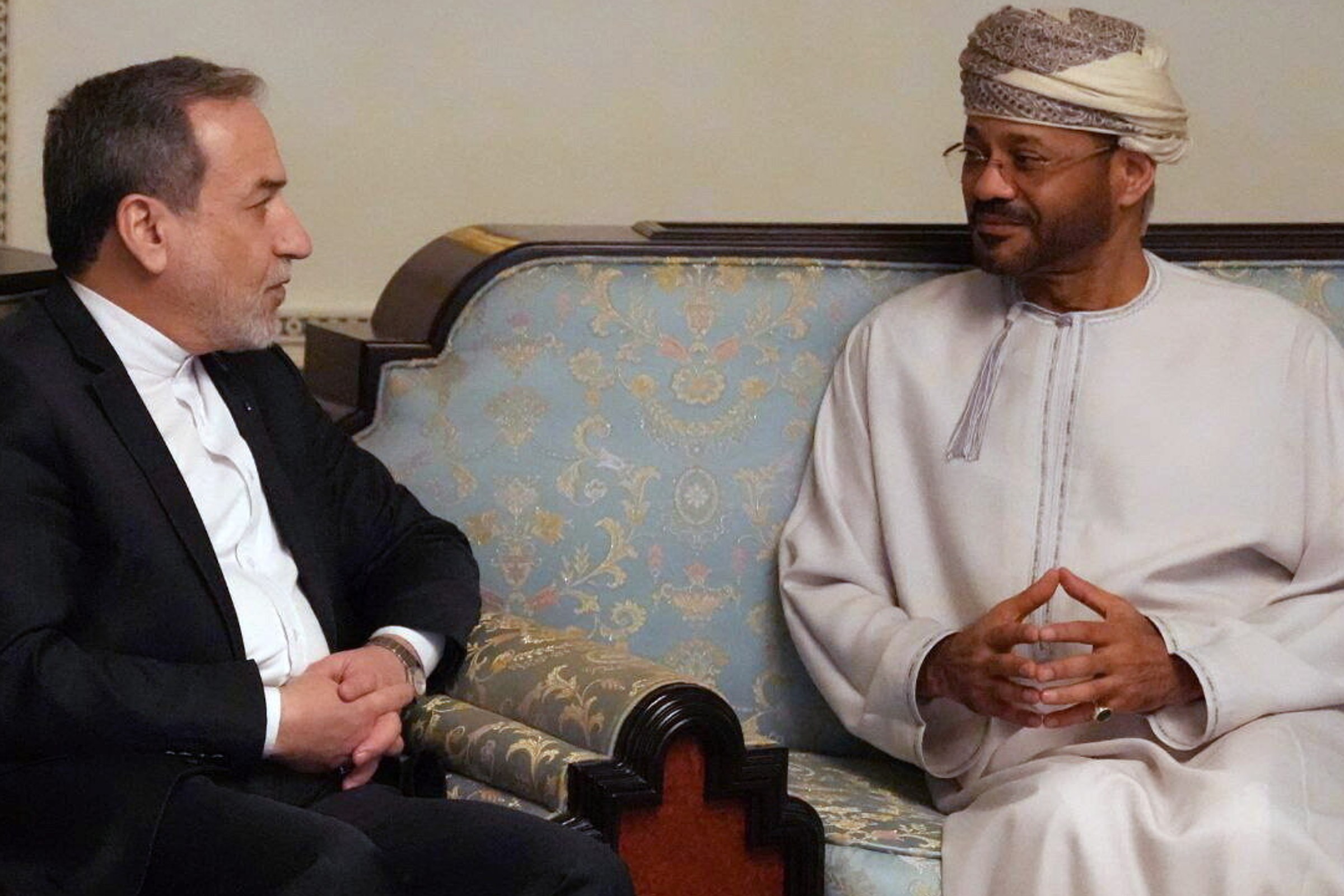
Negotiations between Iran and the United States in Oman ended on Friday. — There is agreement to continue the talks. The decision on coordination regarding further steps will be made in the capitals, said Iranian Foreign Minister Abbas Aragchi. “It was a good start to the negotiations,” he added.
According to the head of diplomacy in Tehran, negotiators from both sides will return to their countries for consultations and the “wall of distrust” should be broken.
When did the Iran-US negotiations end?
Who acted as an intermediary in the talks?
What exactly did the parties talk about?
What were the main provisions from Iran?
Negotiations between Iran and the USA. “Very serious”
Abbas Aragchi also said that the talks were only about nuclear issues.
Oman's Foreign Minister Badr al-Busaidi, who acted as an intermediary during the talks, wrote on X that the discussions between Iran and the US “were very serious.”
On the American side, the talks were attended by the special envoy of the US President, Steve Witkoff, and Donald Trump's son-in-law, Jared Kushner, while the Iranian delegation was led by Abbas Aragchi.
Iran-US talks. Tehran only wants to talk about the nuclear program
Both sides assured their readiness to resume negotiations on the Iranian nuclear program, which raises concerns in the West. However, Washington wanted to expand the topic of talks to include Iran's ballistic missile program, Iran's support for armed groups in the region such as Hamas in the Gaza Strip and the Houthis in Yemen, as well as the treatment of its own citizens by the Iranian authorities.
Iranian officials have repeatedly said they will not discuss Iranian missiles. They also emphasized that they wanted recognition of the fact that Iran has the right to enrich uranium.
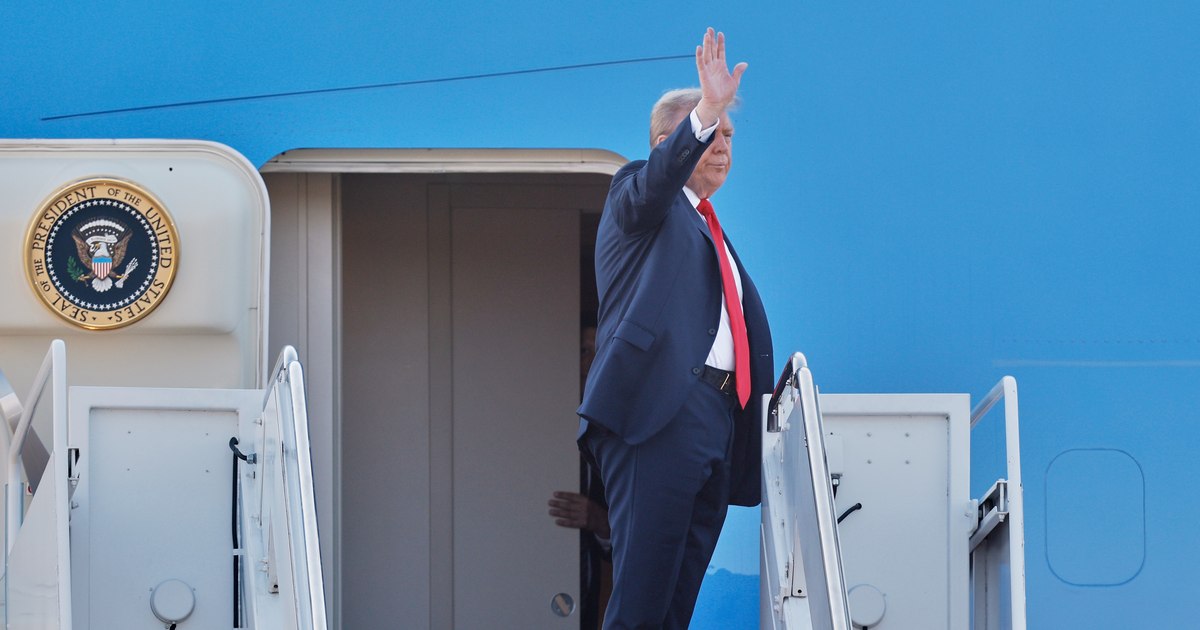
US President Donald Trump has repeatedly threatened Iran with military intervention in recent weeks. The United States has strengthened its military presence in the Middle East, and Iran announced that in the event of aggression it would respond by attacking American military installations in the region.