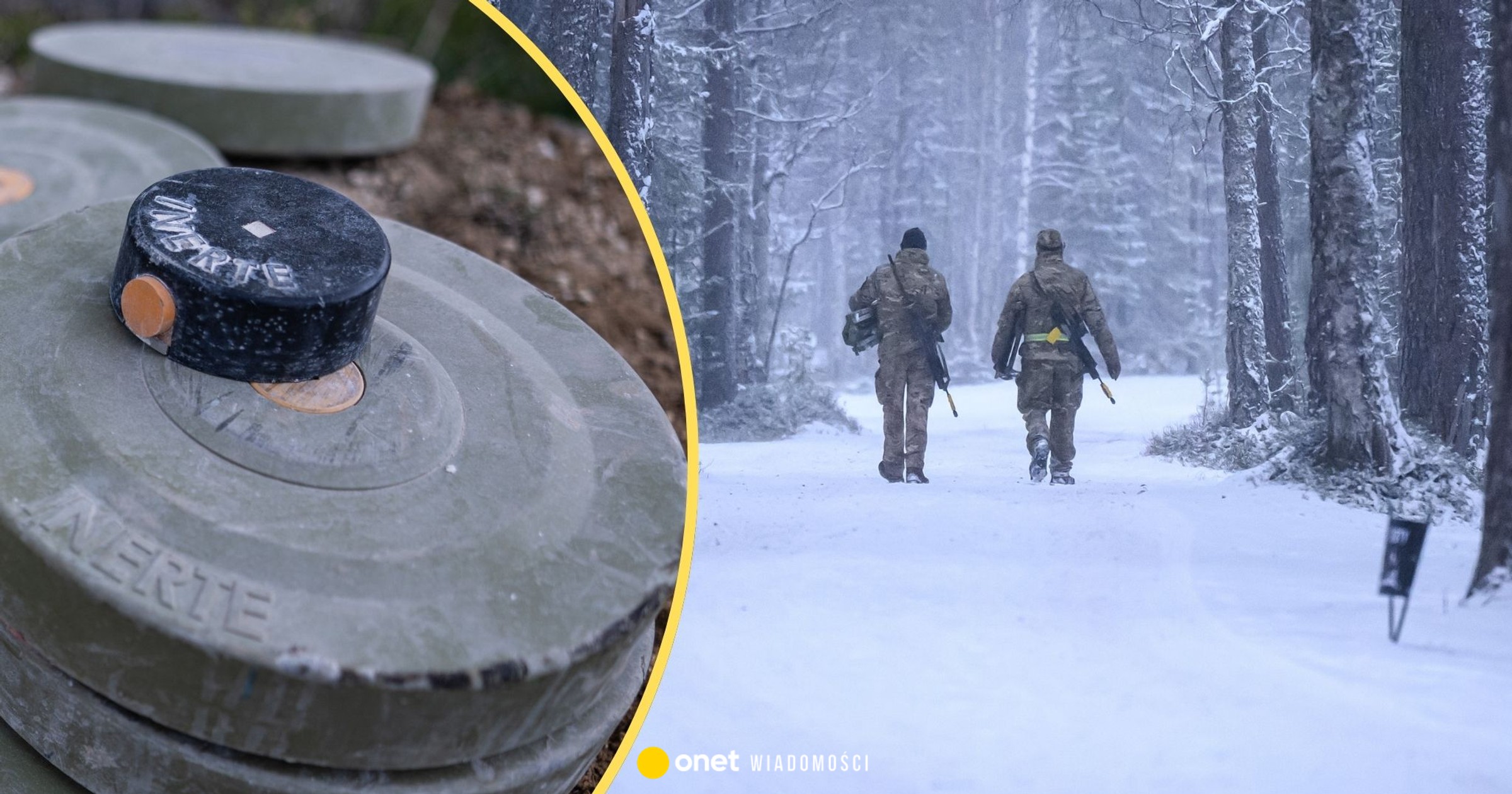
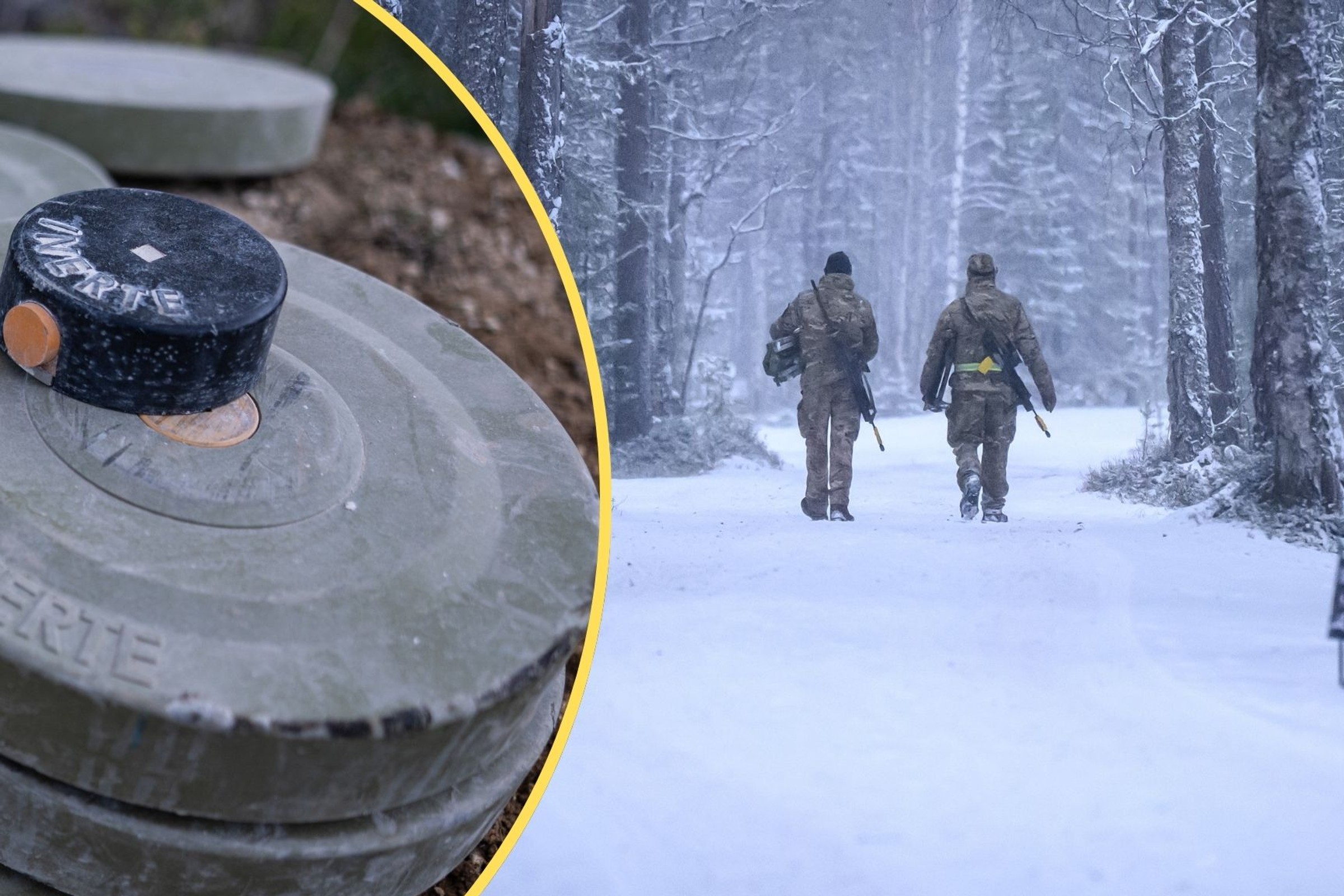
On January 10, Finland denounced the Ottawa Convention, which prohibits the use of anti-personnel mines. Estonia, Latvia, Lithuania and Poland also intend to use the weapon. All countries base their decisions on the threat from Moscow. “It is a highly effective and very economical weapon system,” Heikki Autotto, chairman of the Finnish parliament's defense committee, emphasized last year.
What training does the Finnish army provide?
Why did Finland denounce the Ottawa Convention?
How many soldiers pass through the garrison each year?
Who conducts mine placement training?
The Scandinavian country is already conducting training in the use of min. During exercises, the military uses directional charges that throw fragments at a distance of up to 50 m. – Before the Ottawa Convention, we had a million infantry mines in stock, says Col. Riku Mikkonen, an engineering inspector in the Finnish army. He adds that the arms industry is to resume domestic production within two years.
The training is conducted in a unit stationed on the border with Russia
Mine placement training is conducted by Lieutenant Joona Ratto from the Kainuu Brigade. “We can use them to stop the enemy or warn our own soldiers in defensive positions,” Ratto explains in an interview with AFP. He explains that this way the unit gains time to prepare for a firefight. Soldiers use excavators and drills to bury the loads.
Approximately 500 professional soldiers pass through the garrison every year, 2.5 thousand conscripts and 5 thousand reservists. The unit is responsible for protecting 700 km of the Finnish-Russian border (the entire border is just over 1,340 km long).
New military bases are to be built in Russia near Petrozavodsk (approx. 160 km east of the border line). Tens of thousands of soldiers are to be stationed there.