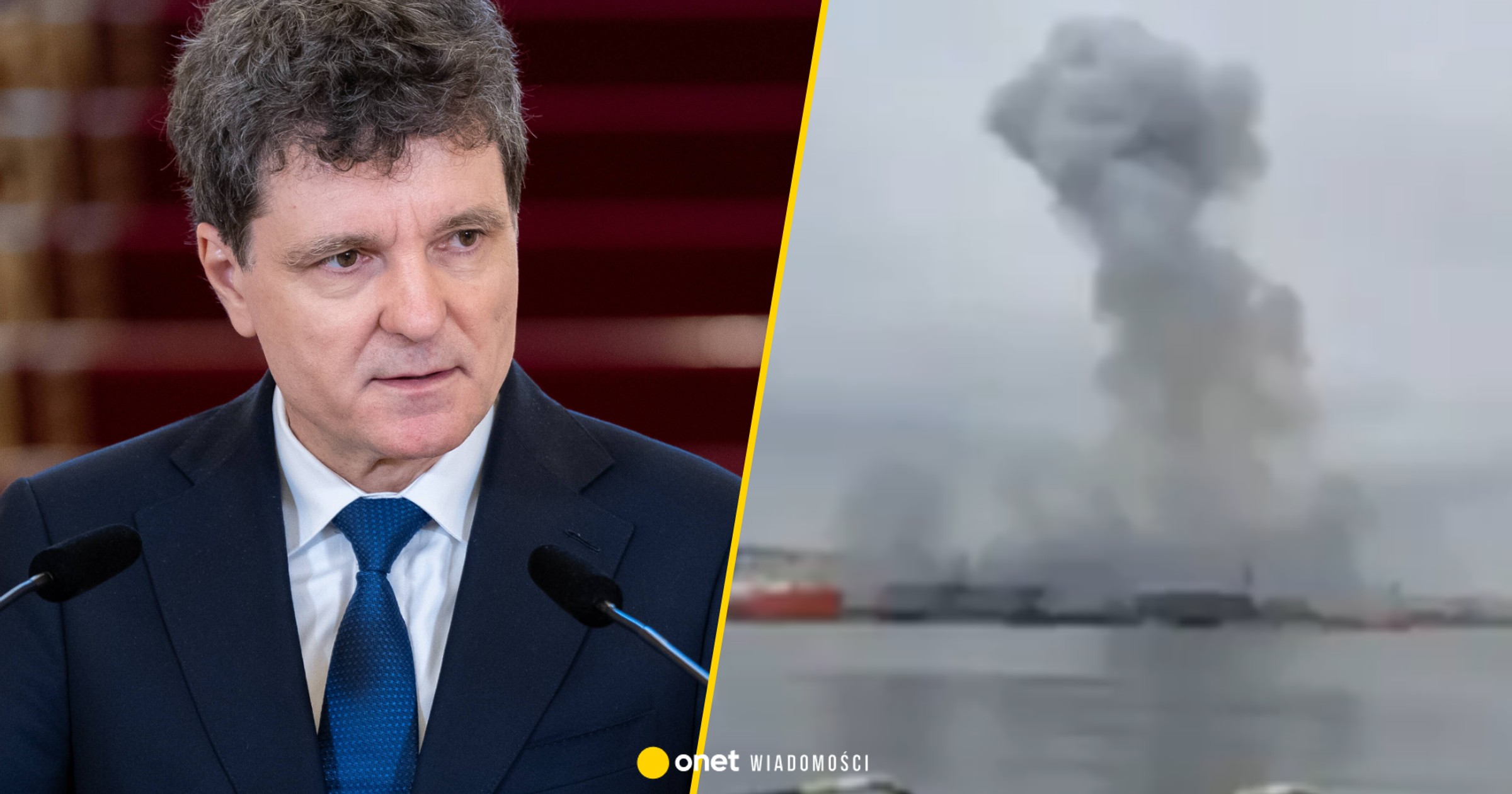
How does the US election annulment report affect us? “A topic already smoked. Romania is not targeted, it's a pretext for attacking the EU”


In a normal climate, this report by the US House of Representatives on EU interference in member state elections, including Romania, would have shaken the transatlantic relationship to its foundations, says political scientist Sergiu Mișcoiu. In the current context, it will have no effect.

The report of the House of Representatives, a new episode of the US-EU conflict. PHOTO: Shutterstock
Political scientist Sergiu Mișcoiu, professor at Babeș-Bolyai University and at Paris-Est Créteil University, explains for “Adevărul” what the effects of this report are for Romania.
“There is an area of collaboration that is not directly affected and that relates to concrete business, say, in the sphere of trade and even in the military sphere“, he says.
On the other hand, there are certainly certain guidelines that are given by these reports: “This report takes up one of the themes that was put on the back burner by JD Vance at the Munich Security Conference in 2025, the one related to Europe's interference in the electoral processes. The annulment of the elections in Romania could only serve as the main example in this analysis, but Romania is not important here, Romania was not targeted neither then nor now. Romania is a pretext, an example by which the forces loyal to Trump are trying to dismantle the EU as a global actor and as, of course, a space of freedom and democracy that contrasts with what is happening in the United States of America.”
“No effect at EU level. It's a topic already smoked”
Asked about the effects of this report on the relationship between the US and the European Union, the professor claims that there will be no effect. “If this report had come under the conditions of a linear relationship between the US and Europe, without excesses, without bombastic phrases, without threats of taxes that are then canceled, without territorial threats on a country that belongs to the EU and NATO, that is, Denmark, and so on, if we were in a normal climate, this report, for sure, would have shaken the transatlantic relationship from its foundations.”
But now, after all the statements and actions, more or less consistent and put into action by the Trump administration against the countries in the EU and the Union as a whole, “this report represents nothing more, i.e. it cannot stand out. Trump took the face of Congress long ago, and this report appears to be a belated echo of an attitude already vocally expressed by those temporarily in power in the United States now.”
Although the report appears again around the Security Conference in Munich, an event where, last year, Romania was criticized by JD Vance for canceling the elections, Mișcoiu does not believe that the topic cannot be taken up again within the same conference that is to be organized in the following days. “I think the Congressional level was decided as a kind of strategic level important enough for an issue that is being smoked, it was already put on the back burner, there were reactions and counter reactions. To come back to this issue now at such a high level is to ridicule yourself on the part of the US.”
Why is the report out now?
Miscoiu does not think that the appearance of the report the other day is related to any event that happened on the international political scene. “It's just the bureaucratic move of the institutions that need more time to analyze the information.”
If these accusations were to be brought back now at the Munich conference and the Romanian president would be put in an unpleasant situation, the professor is of the opinion that “we must react in a much more decisive manner than we have done so far, because otherwise we will obviously do nothing but give water to these accusations. It's one thing to let things languish as long as you hope the topic is out of date and you don't want to cause a lot of negative reactions at one time. Another is to not allow yourself to be bombarded with the same theme from year to year.”
Asked if Romania still has delays in explaining the reasons for canceling the elections in Romania, Mișcoiu is of the opinion that in the post-truth era of President Trump, any explanation you give will be denied. “As obvious as things are, an alternate interpretation can completely destroy what you're standing for. So I don't know if you can rationally convince anyone in the Trump administration any more“.
However, if the issue will be brought up in Munich, the political scientist claims that we must again explain the reasons for the cancellation of the elections and the fact that there is no evidence that the European Union was involved in the cancellation of the elections.
The February 3 report
We remind you that a report by the Judiciary Committee of the US House of Representatives accuses the European Commission of interfering in the electoral processes of member states, including the one in Romania, by pressuring social platforms to censor content.
In the report published on February 3, 2026 by the Legal Commission of the House of Representatives of the United States of America, there are a series of accusations regarding a so-called campaign to censor political speech and electoral intervention that is said to have been carried out by the European Commission during the last years, including in Romania.
The report, titled “The Foreign Censorship Threat, Part II: Europe's Decade-Long Campaign to Censor the Global Internet and How It Harms American Speech,” claims that since at least 2020, the European Commission has regularly pressured social media platforms to change their moderation rules to lead to the censoring of certain types of content, including political speech — including in the United States.
The report claims that the European Commission has held more than 100 meetings with major social media platforms to persuade them to implement stricter moderation policies.
Some of these policies may have led to the censoring of information deemed true or relevant to important public debates in the US.
The report also states that in Europe, the European Commission would have exerted similar pressure on social media platforms during electoral periods, including before national elections in several states: Slovakia, the Netherlands, France, the Republic of Moldova, Ireland and Romania being directly mentioned examples.
The text of the report explicitly states that, in the context of the Digital Services Act (DSA), which entered into force in 2023, the Commission would have urged or pressured platforms to censor political content in order to control disinformation during election periods, which, according to the Legal Commission, raises serious questions about its neutrality and the limits of its action in electoral campaigns.
The report goes into detail about the developments in Romania, claiming that the most aggressive censorship measures would have been adopted during the 2024 presidential election. The European Commission allegedly exerted pressure on the platforms before the first round, and its cancellation by the Constitutional Court was based on claims of foreign interference — claims that the US report suggests that TikTok's internal documents presented to the Commission denied the existence of a coordinated Russian campaign.
“The elections were canceled without evidence and candidates were eliminated in order for the “favored candidate of the establishment” to emerge as president”
The report criticizes the influence of global moderation rules: the European Commission, through its proposals and meetings with the platforms, would have influenced the moderation rules applicable worldwide, thus affecting the freedom of expression of American users.
The report says that the Commission's actions, by encouraging censorship before elections, would have disadvantaged certain political parties or opinions in multiple EU member states.
In the case of Romania, the internal documents of a platform contradicted the conclusions of the intelligence services regarding the interference of an external power, which, according to the American report, would indicate a manipulation of the electoral context under the pretext of combating disinformation.
The document claims that “the elections were canceled without evidence and candidates were eliminated in order to make the “favored candidate of the establishment” president”. The European executive is accused of exerting pressure on social media networks to censor certain content during election periods in Slovakia, Ireland, the Netherlands, France, Moldova and Romania.
The document, drawn up by the Judiciary Committee of the House of Representatives, describes a campaign to censor American speech that was allegedly carried out by the European Commission over the course of a decade.
The European Commission (EC) rejects the accusations from the US that it influenced the elections in Romania through pressure on social networks and categorized as unfounded the claims regarding “censorship” and electoral interference in the national polls of the member states.
These accusations are “absurd and completely unfounded”, denounced a spokesman for the EU executive, Thomas Regnier.