A blue miracle in a red state. Trump's big failure. He faces the worst-case scenario of a “lame duck”

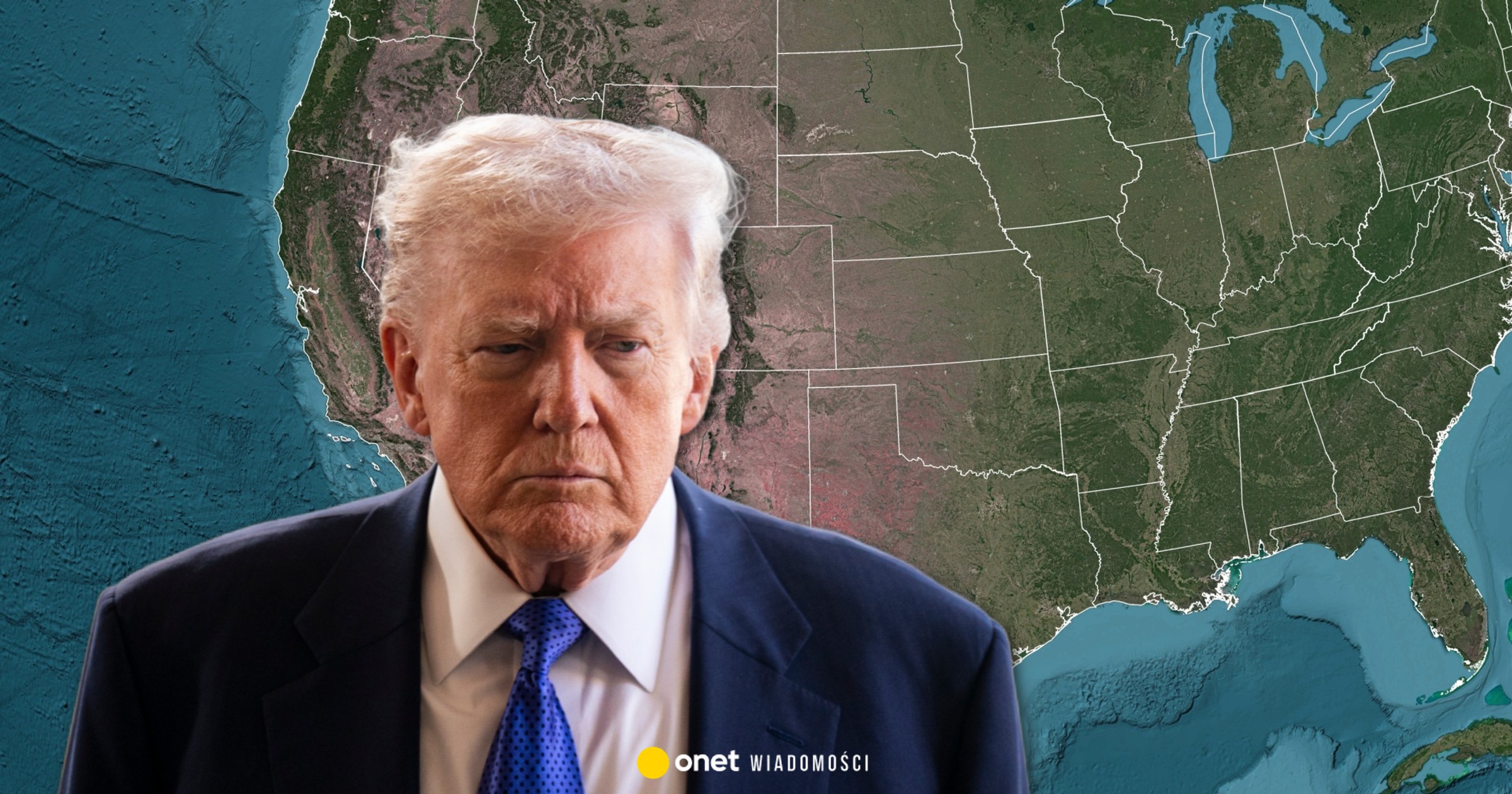
The election results in the Texas Senate district have made Washington nervous. What is happening in Texas, a state that is a “political seismograph”, reveals an uncomfortable truth. The Republicans' power is more fragile than they previously thought.
Trump's key constituency has turned on him, despite the president's personal involvement in the campaign — and no one can ignore it any longer.
Democratic candidate in Senate District 9 around Fort Worth [kolor Demokratów to niebieski] Taylor Rehmet won the by-election by approximately 14 percentage points. Republicans [ich kolor to czerwony] they had controlled the region for decades. In the last presidential election, Donald Trump won there with an advantage of about 17 points. Now the constituency has turned away from Republicans.
Republican candidate Leigh Wambsganss had significantly more resources financial resources, strong local networks and the full support of the party leadership. Donald Trump became personally involved in the campaign, publicly praising it and urging people to vote. However, this had no effect.
Why Texas is considered a political seismograph
The Republican result in Texas is being treated as a political wake-up call. The elections are an indication that the party that was on the rise is starting to lose popularity.
It's not just about Texas. In recent months, Republicans have suffered a series of painful defeats. They lost the gubernatorial elections in Virginia and New Jersey. In Pennsylvania, a district that had been dominated by Republicans for decades swung to the Democratic side in the Senate midterm elections. In New York, left-wing Democrat Zohran Mamdani became mayor.
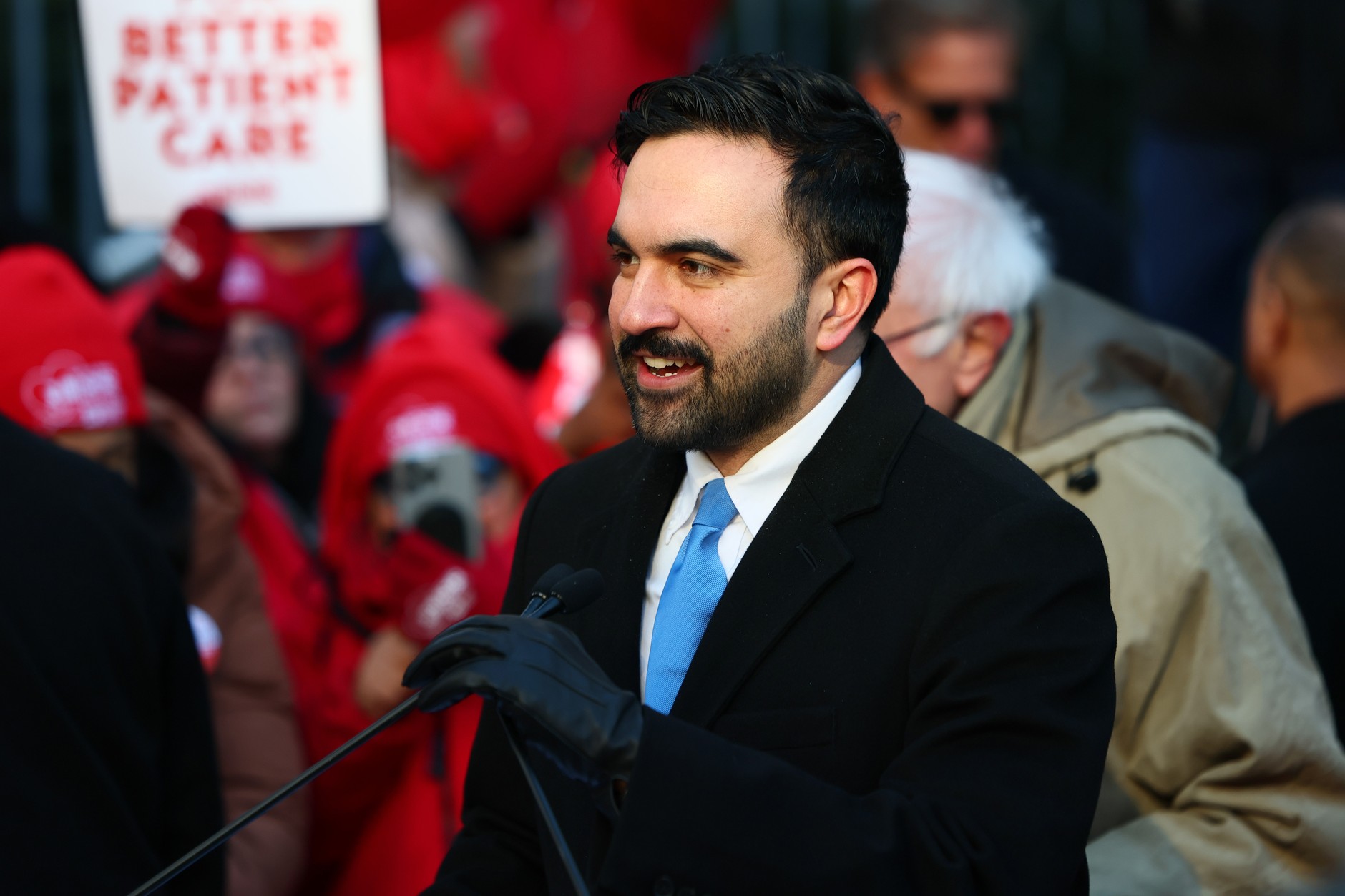
New York Mayor Zohran MamdaniMichael M. Santiago / Staff / Getty Images
This is causing concern in Washington. Mid-term elections will be held in November – a political assessment of the ruling party. If Republicans lose their majority in Congress, there is a risk of political stalemate. Bills will stall, investigative committees will dictate terms, and the second half of the term will be defensive, also because Trump faces a new impeachment procedure (as he himself mentioned).
The president may become a “lame duck”, i.e. a politician without real influence, while his current supporters will look for his successor.
It is this prospect that is leading to anxiety within the Republican Party. The closer we get to the end of the second term and the closer the next presidential election gets, the more the focus of attention in Washington changes. The current president is losing political importance, loyalties are changing fronts and suddenly it becomes less important who is in power and more important who wins in the future. This is a particularly sensitive issue for Donald Trump because his authority is based almost entirely on political dominance.
Therefore, in the Republican Party, potential candidates for the 2028 presidential elections are in the starting blocks. Vice President JD Vance is considered the natural successor. However, behind the scenes there is also talk about Secretary of State Marco Rubio, who has a strong position. Moreover, famous figures such as Ted Cruz and Florida Governor Ron DeSantis are waiting for their second chance. One thing is certain: the more Trump begins to resemble a “lame duck”, the sooner an open fight for dominance in the Republican Party will begin.
Donald Trump still controls the Republicans and has a lot of authority. But his power is now beginning to waver. A poll conducted by the public opinion research institute AP-NORC shows that his support remains below 45 percent, and on key issues such as the economy, foreign policy and the cost of living, it is even much lower. This is a dangerous signal for the incumbent president just before the by-elections.
Trump's political style – constant confrontation, constant crisis, culture war – mobilizes his loyal supporters, but increasingly alienates moderate voters. Added to this is the economic uncertainty that many Americans feel in their daily lives. Those who feel left out tend to stay home — or vote against the government.
The failure in Texas is therefore more than just a local failure. Trump invested, mobilized, used his name. The fact that his intervention was unsuccessful undermines his most important political capital: his image as a winner. Behind the scenes, the party begins to calculate. Governors, senators and strategists are wondering how much longer they must remain loyal to Trump, who has lost momentum.