Wetlands, including both peat bogs and floodplains, play a key role in regulating ecological processes. They are essential to ensuring clean water, food security and economic stability. Meanwhile, as scientists point out, Poland is one of the leading European countries in terms of degradation of these areas – at least 85% of them have been dewatered. native wetlands.
The rest of the article is below the video:
Read also: Deputy Minister on the results of the State Forests: strengthening nature protection pays off
Return to a forgotten project
As Deputy Minister Dorożała recalled, the strategy was prepared during the term of office of the previous government, but this document remained in the archives for several years. Only in January 2024 did the Ministry of Climate and Environment resume work on the project by organizing the first consultation meeting. “We have started talks and consultations not only within the Ministry of the Environment, but also inter-ministerial“- emphasized Dorożała.
At the beginning of 2025, the Interministerial Team for Wetlands was established at the Chancellery of the Prime Minister. It included representatives of key ministries, such as the ministries of climate, agriculture, infrastructure and finance. Representatives of the Ministry of National Defense and the Border Guard were also invited. “We wanted to create a document that would be accepted by various ministries,” explained the deputy minister.
Compromise and finalization of the project
The team's work lasted almost a year, and in December 2025, just before Christmas, an agreement was reached with the Ministry of Agriculture. In January 2026, the final version of the strategy was submitted to the Government Work Programming Team. “It has been officially included in the government's list of legislative works for this year,” Dorożała said. The deputy minister expressed hope that public consultations will start in February 2026, and the document will be adopted at the beginning of 2027.
Strategy in the face of the climate crisis
Dorożała emphasized that the adoption of the strategy would be a historic event. “We currently do not have any strategic document that would set the course of action in the era of climate change and water crisis,” he noted. He also pointed to the growing threat of droughts, recalling the peat bog fires in the Biebrza National Park, which took place in March 2025.
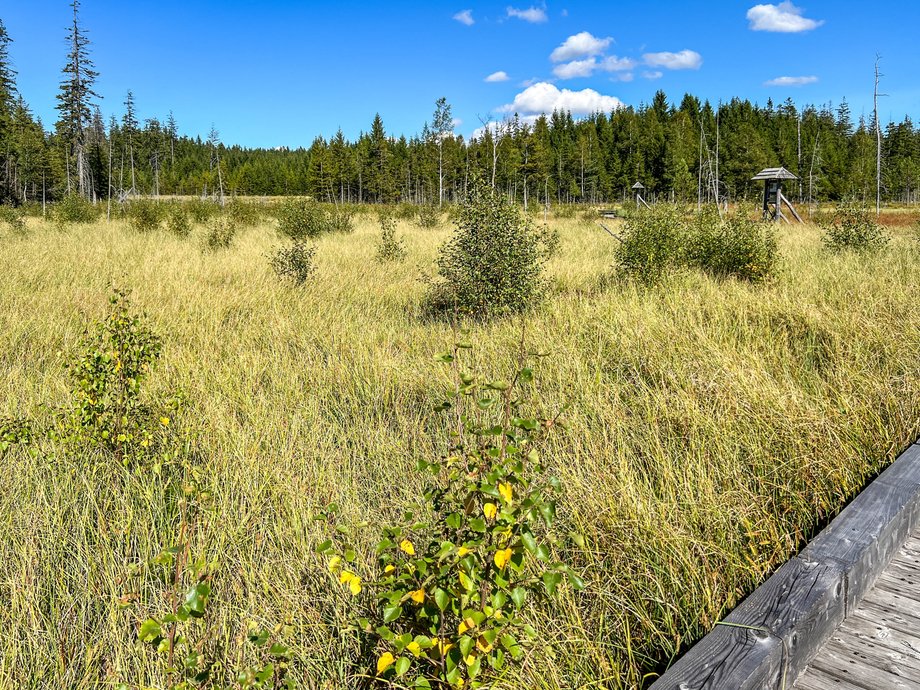
Peatbog
|
DyziO / Shutterstock
The main goal of the strategy is to create a framework for the protection and restoration of peat bogs and wetlands, as well as the management of water resources. The document is intended to be a reference point for government departments, local governments, non-governmental organizations and institutions such as State Forests and Regional Directorates for Environmental Protection. “We want it to clearly define how to manage, protect and rehabilitate wetlands,” explained the deputy minister.
Wetlands as an element of defense
Strategy is also important in the context of defense. The Ministry of National Defense, in cooperation with the Ministry of Climate, is mapping wetlands in the border zone. “We see a huge potential for peat bogs and irrigated areas in the border area, especially in the zone 20-30 km from the border,” Dorożała said. The plan includes recommendations regarding marshy areas, flooding with water and leaving forest areas wild.
World Wetlands Day and the Ramsar Convention
February 2, the anniversary of the signing of the Ramsar Convention, is celebrated as World Wetlands Day. This year's theme, “Wetlands and Traditional Knowledge: Celebrating Cultural Heritage,” highlights the connections of these areas with history and culture. The Ramsar Convention, an international treaty for the protection of wetlands, covers both terrestrial wetlands and inland and coastal waters.