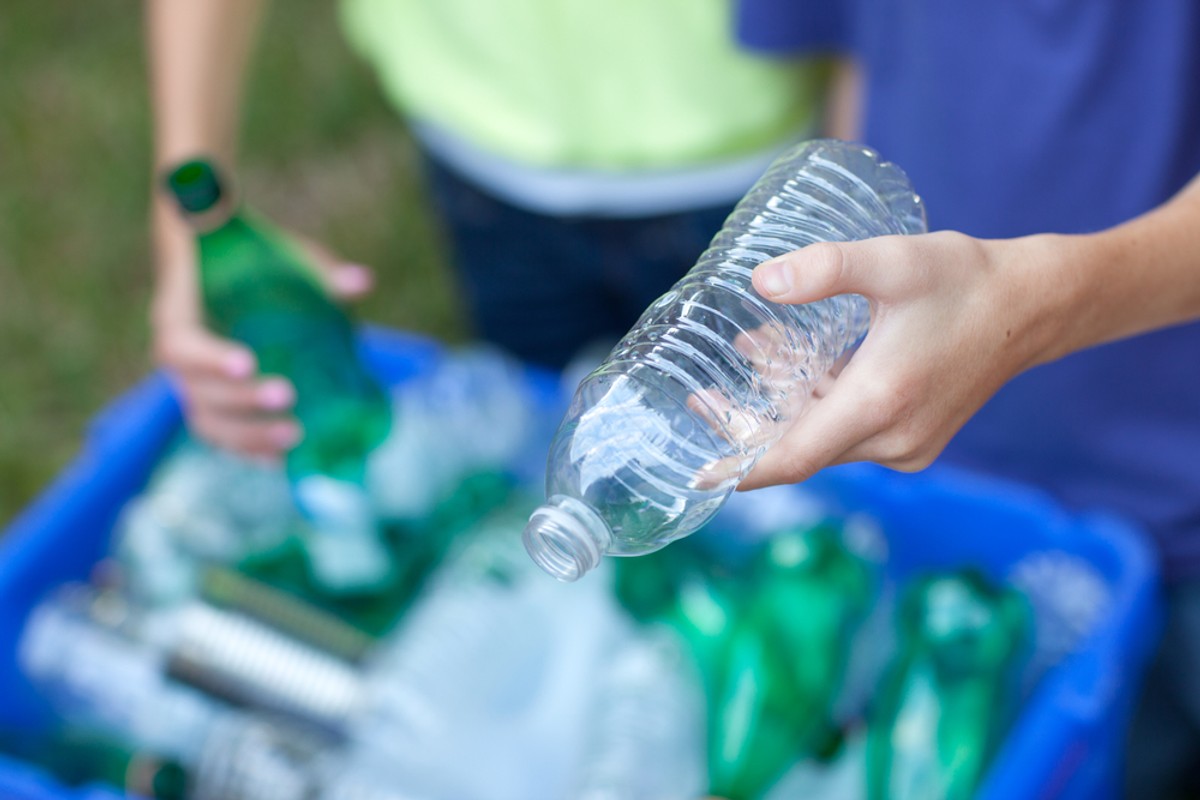
The deposit system requires retailers and retail chains to provide additional ways of collecting recyclable packaging. Customers have managed to get used to the bottle dispensers that can be found in many Lidl, Biedronka, Auchan and Kaufland stores. Now the chain owned by Jeromino Martins has moved towards simplicity and implemented… cardboard boxes.
See also: Full implementation of the deposit system. First data and new responsibilities
In Poland, thousands of stores must collect beverage packaging and return deposits. Most large discount stores, such as Biedronka, Lidl or Dino, have an area significantly exceeding the required 200 sq m. Introducing simple solutions can significantly reduce the costs and carbon footprint of the entire deposit system.
The text continues below the video
As Bizblog.Spiderweb.pl explains, at the end of 2025, there were almost 10,000 companies operating in Poland. discount stores, and this number is constantly growing. If each of them were to build a bottle dispenser, it would mean a huge consumption of energy and raw materials.
Deposit system. Biedronka uses bottle boxes instead of vending machines
Biedronka decided to go in a different direction when it comes to meeting the requirements of the deposit system. The solution is a cardboard box, which is cheap, easy to use and quickly disassembles.
As Bizblog.Spiderweb.pl explains, bottle collection machines cost from PLN 25,000 to even PLN 300,000. PLN per piece. They are made of metal, plastic and require constant power. A cardboard box is a symbolic expense, and if it is made of clean cardboard, it will decompose within a few weeks to half a year.
See also: In this way, producers bypass the deposit system. New beverage packaging
If other chains follow Biedronka's example, the deposit system will become cheaper and more environmentally friendly. Simple solutions may prove more effective than expensive technologies.