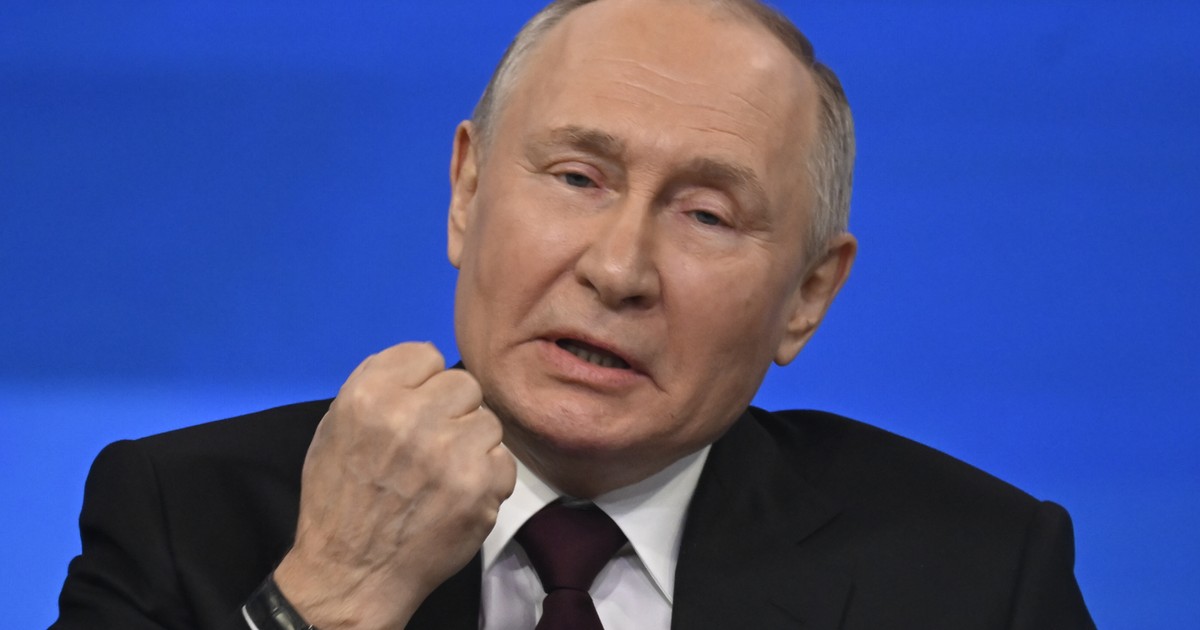
Vladimir Putin they may soon face a serious dilemma. The Russian National Welfare Fund (FNB) was created to protect the economy Russia against sharp declines in oil prices, as well as a reserve fund for the future, support for the pension system and stabilization of state finances. However, after the war in Ukraine began, the fund became a key source of financing the growing budget deficit caused by increased spending and falling revenues.
The rest of the article below the video:
Russia's National Welfare Fund (FNB) may be exhausted within 16 months if oil prices remain at their current low levels, according to an expert analysis by Gazprombank's Economic Forecasting Center.
The fund, managed by the Central Bank of Russia, is used to compensate for shortfalls in oil and gas revenues. When the export prices of these raw materials exceed the so-called cut-off price, tax surpluses go to FNB. In case of lower prices, the fund covers the difference, which causes its assets to decrease.
See also: Putin hits the brake. Spending on the war in Ukraine is expected to decline
A worst-case scenario for Russia and Vladimir Putin. The clock is ticking
According to analysts, if oil prices stay at $40. per barrel, the fund's reserves will be enough for less than a year and a half. If prices drop to $30-35. the funds may run out by the end of 2026. On the other hand, at a price of $50. per barrel, FNB could operate for about 2.5 years, reports the Moscow Times.
Oil prices are strongly dependent on geopolitical tensions, which may affect the extraction and transport of the raw material. Despite periodic fluctuations, the long-term trend indicates a decline in prices. In December 2025, a barrel of oil cost $39, and in January – before the increase caused by US-Iran tensions – prices fell to $36-38.
See also: A heavy defeat for Vladimir Putin. Russia is devastated
Russia's spending on the war in Ukraine is a problem for the budget
|
Michał Czernek / PAP / photos
At the beginning of January, the value of FNB's assets – mainly in foreign currencies and gold – was 4.1 trillion rubles, or about $54 billion.
Before the war, FNB had liquid assets worth USD 113 billion, which represented 6.5%. GDP of Russia. At the beginning of this year, this amount dropped to $52 billion. — this is a decrease of 2.5 times – reports “Moscow Times”. Gold reserves decreased by 71%, from 554 to 160 tons. Of the foreign exchange reserves, only the Chinese yuan remains, worth approximately USD 30 billion. — this is the lowest level since the fund was established in 2008.
Initially, the Russian Ministry of Finance assumed no spending from FNB in the 2026 budget. However, the drop in prices of Russian oil, which is sold at record discounts after the imposition of American sanctions, forced the government to use funds from the fund.
Source: The Moscow Times, PAP