Raed Arafat proposes that Romania “take a brave step” made by other countries: “It is not about censorship”

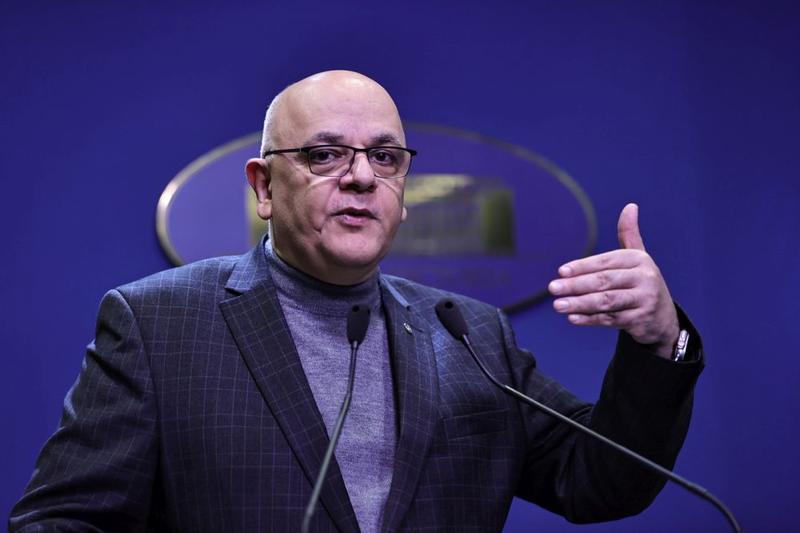
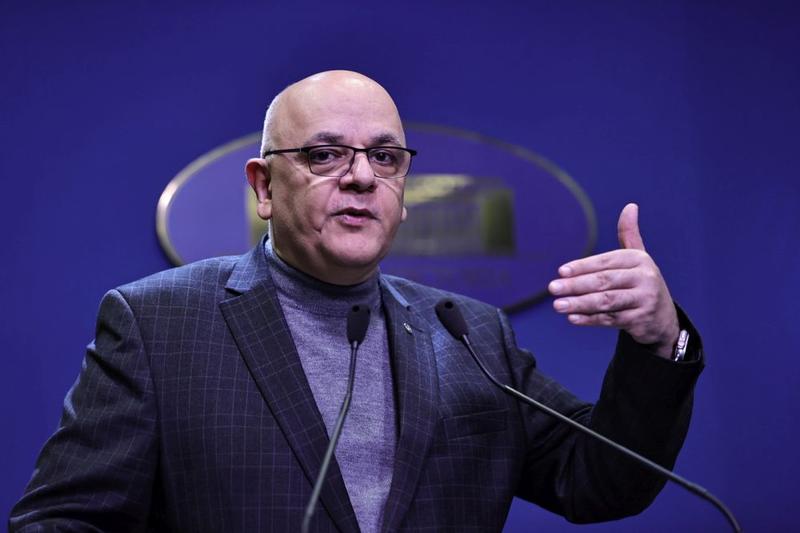
Raed Arafat, Photo: Romanian Government
Raed Arafat, head of the Department for Emergency Situations, appreciates that social networks “are high-risk products for children and adolescents” and says that Romania should limit by law their access to these platforms.
“I was sitting and reflecting, especially after the last extremely serious events that had children and teenagers as the main actors: wouldn't now be the right time for Romania to take a brave and responsible step and join the states that are discussing or have already decided to limit the access of children and teenagers to social networks?”, writes the head of the DSU on Saturday morning, in a post on Facebook.
In this sense, Arafat gives an example of the measures taken by other states.
“States such as France, Australia, the United Kingdom or Norway are already treating this issue as what it really is: a public health and child and adolescent protection issue, not an ideological debate,” says Arafat.
Arafat claims that “this is not about censorship” but about “protecting the mental health of children and adolescents”.
Arafat also says that just as, from a legal point of view, minors do not have access to alcohol, tobacco or gambling, the state should also intervene in the case of social networks.
“Social networks are high-risk products for children and teenagers. These platforms are based on sophisticated manipulation mechanisms, built to capture attention and generate addiction. A child or teenager does not yet have the neurological and emotional maturity necessary to defend themselves against algorithms deliberately designed to exploit vulnerabilities”, argues the head of the DSU.
“It's not just the parents' job”
“Saying that 'it's just the parents' responsibility' is no longer enough in a world dominated by global platforms and huge commercial interests. When the risk is systemic, the answer must be one of public policy”, says the head of the DSU.
In these conditions, Arafat proposes a law that limits access to social networks for children under 15-16 years old.
“That's why it's time for the Romanian parliamentarians to assume this responsibility and initiate a clear legislative framework that limits the access of children and adolescents under 15-16 years to social networks,” Arafat said.
What measures have other states taken?
Australia has passed a law requiring platforms to prevent people under 16 from creating or maintaining accounts.
France has approved a bill banning access to social media for children under 15 and requiring age verification of users, effective from September 2026. Norway plans to raise the minimum age at which minors can consent to data processing on social media from 13 to 15 and is working on an age verification system.
In the United Kingdom, the Government is looking at the possibility of restrictions similar to those in Australia, although there is not yet a complete ban on minors.