Russian negotiators apologized to Ukraine for the attack on a train in Kharkiv. What are the explanations for breach of agreement


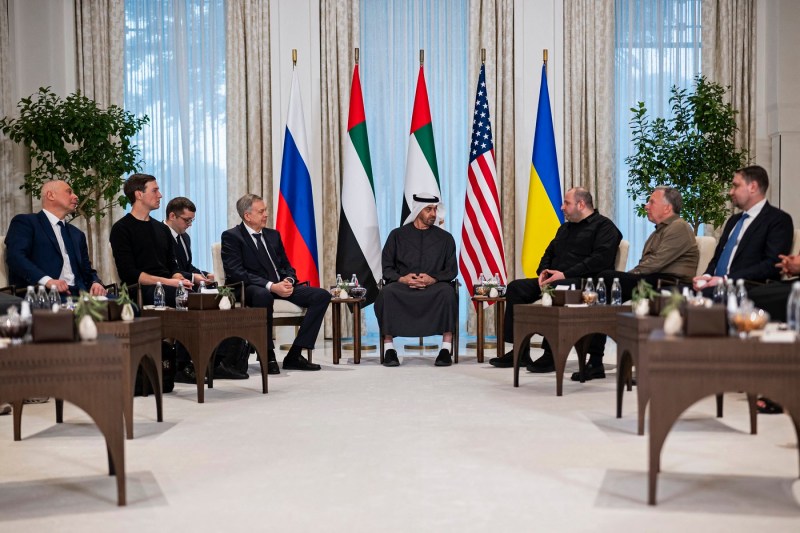
Sheikh Mohamed bin Zayed al-Nahyan (Center), talking to the heads of delegations participating in the trilateral talks between the US, Russia and Ukraine. Photo source: AFP / AFP / Profimedia
The attacks took place despite an informal pause in hostilities established for the duration of the two days of negotiations held in Abu Dhabi at the end of last week, an adviser in the Presidential Administration in Kyiv told the New York Times quoted by KyivPost.
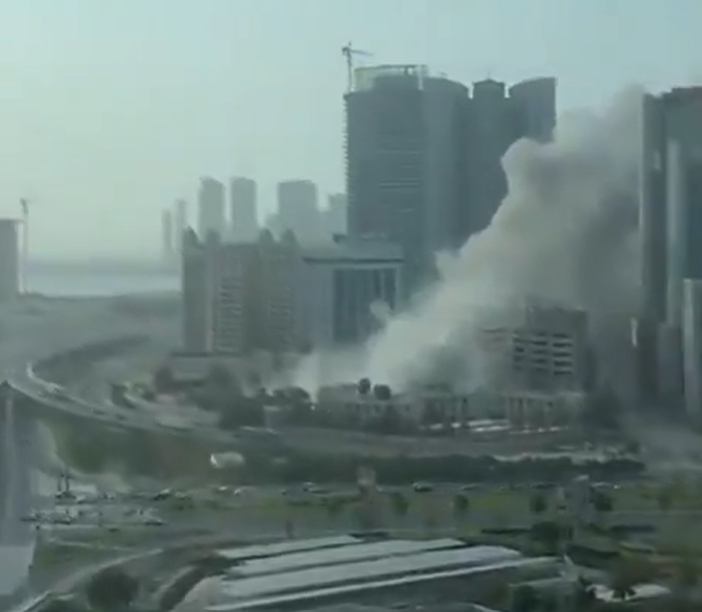
Six people lost their lives in the attacks on Odesa and a train in Kharkiv. As a result, Russian negotiators privately apologized for Russia's failure to comply with what was discussed. They explained that not all of the Russian military was informed of the agreement.
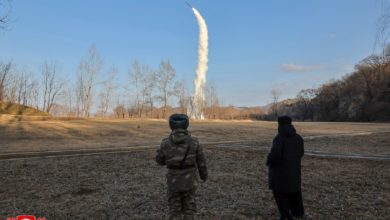
The attack took place on January 27 when Russia hit a train with 291 passengers in the Kharkiv region with drones. The next day, Kharkiv regional authorities announced that six people had lost their lives in the Russian attack which was carried out by Shahed kamikaze drones.
Volodymyr Zelensky described the attack as “an act of terrorism” for which Russia must be held accountable.
“The Russians have significantly increased their ability to kill, their ability to terrorize. They are investing in the advancement of terror,” the Ukrainian president wrote on X.
A new deal went into effect with Trump's mediation
Meanwhile, a truce regarding attacks on energy infrastructure has come into effect between Russia and Ukraine. Zelensky said on Friday that Russia had not attacked energy facilities overnight, but that Ukraine was witnessing a shift in direction towards attacks on logistics infrastructure.
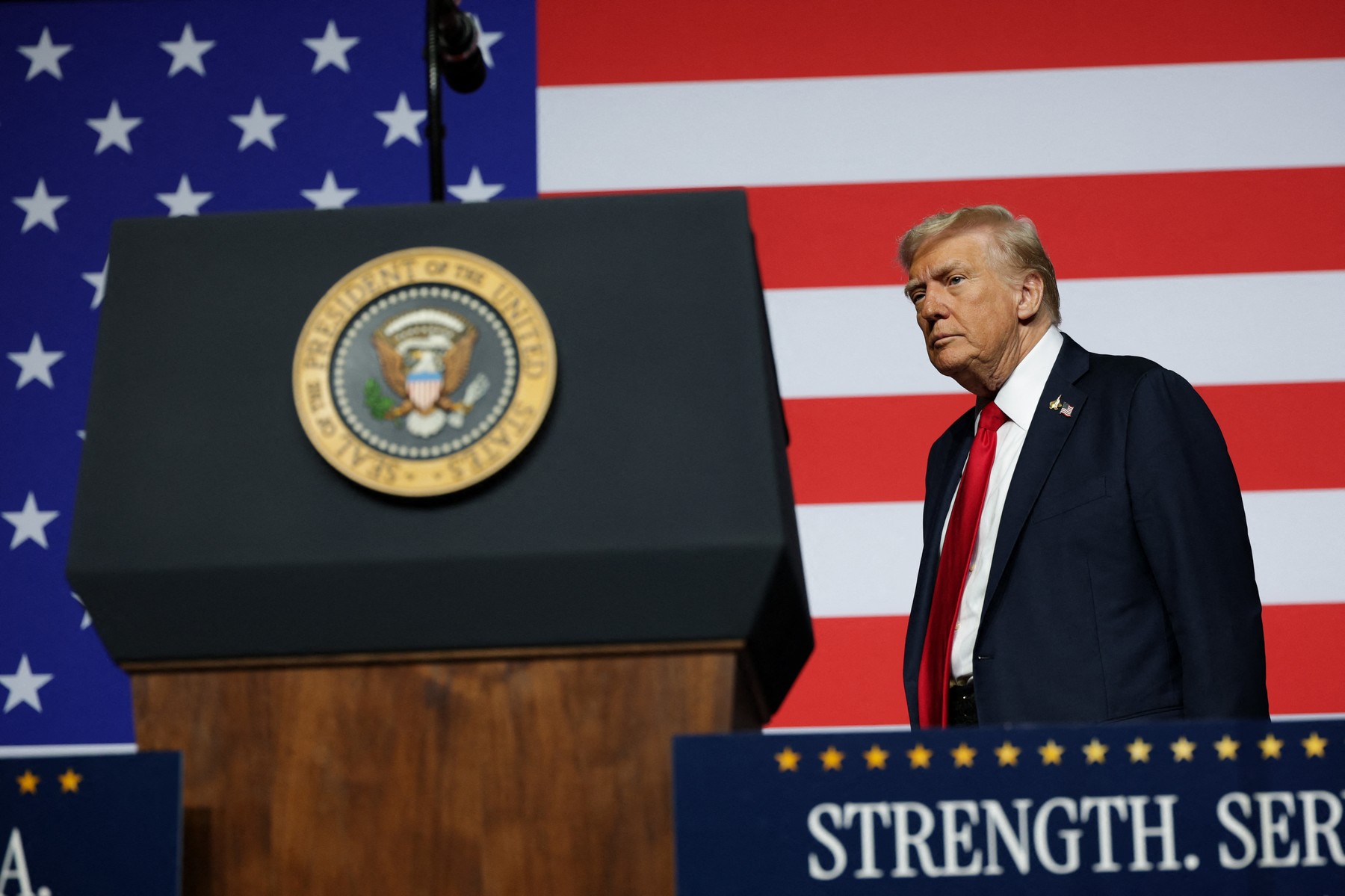
The Kremlin said Donald Trump had personally asked Russian leader Vladimir Putin to suspend attacks on Kiev until February 1 to support negotiations, but did not say whether the Russian leader had agreed.
However, Trump said Putin had agreed to a one-week suspension of attacks on Kiev and other cities.
The ministry comes as Ukraine faces a period of extreme cold starting on February 1, with temperatures expected to drop to -30°C in some areas.
Zelenskiy stressed that there is no truce or formal agreement, but Ukraine is ready to suspend energy attacks if Russia does the same.