The Kremlin, on the signing of a new nuclear treaty with the USA: “The elaboration will be long and difficult. There are many factors involved”


Kremlin spokesman Dmitry Peskov warned Donald Trump on Thursday, January 29, that signing a new nuclear disarmament treaty after the START III treaty expires on February 4 will be a “long and difficult” process.
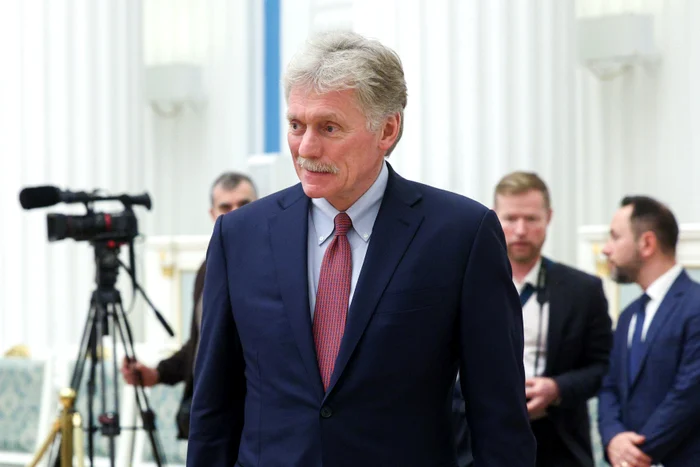
Dmitry Peskov/PHOTO: Profimedia
“Elaboration of a new treaty will be long and difficult. There are many factors involved“, said the spokesman of Russian President Vladimir Putin at his daily press conference, writes Agerpres.
The Kremlin's statement comes after former Russian President Dmitry Medvedev stressed on Monday that, before concluding such a treaty, “an elementary normalization of Russian-American relations is necessary”.
“We need to make sure that Washington is genuinely willing, not just in words but in practice, to respect our core security interests. And that it is able to work together on an equal footing to reduce the potential for conflict.” continued the former Russian president.
He noted in this regard that the signals coming from Washington “are clearly insufficient”.
Therefore, believes Medvedev, “it is better to have no START IV than to have an agreement that masks mutual distrust and causes an arms race in other countries”.
On Thursday, Peskov recalled a statement by Trump, in which he claimed that signing a new treaty to replace START III would not be a problem.
“Is the document expiring? We will make a new one, which will be even better“, claimed Trump in a recent interview with the New York Times publication.
“We are still waiting, but the deadline is approaching. We have no response from the US” to the proposals made by Russia, the Kremlin spokesman pointed out.
Peskov commented on Putin's September 2025 proposal to extend by one year the limits on strategic armaments provided for in the New START Treaty (START III).
He warned that the termination of the treaty would create an important legal loophole, which would adversely affect global strategic stability and the interests of the people of both countries.