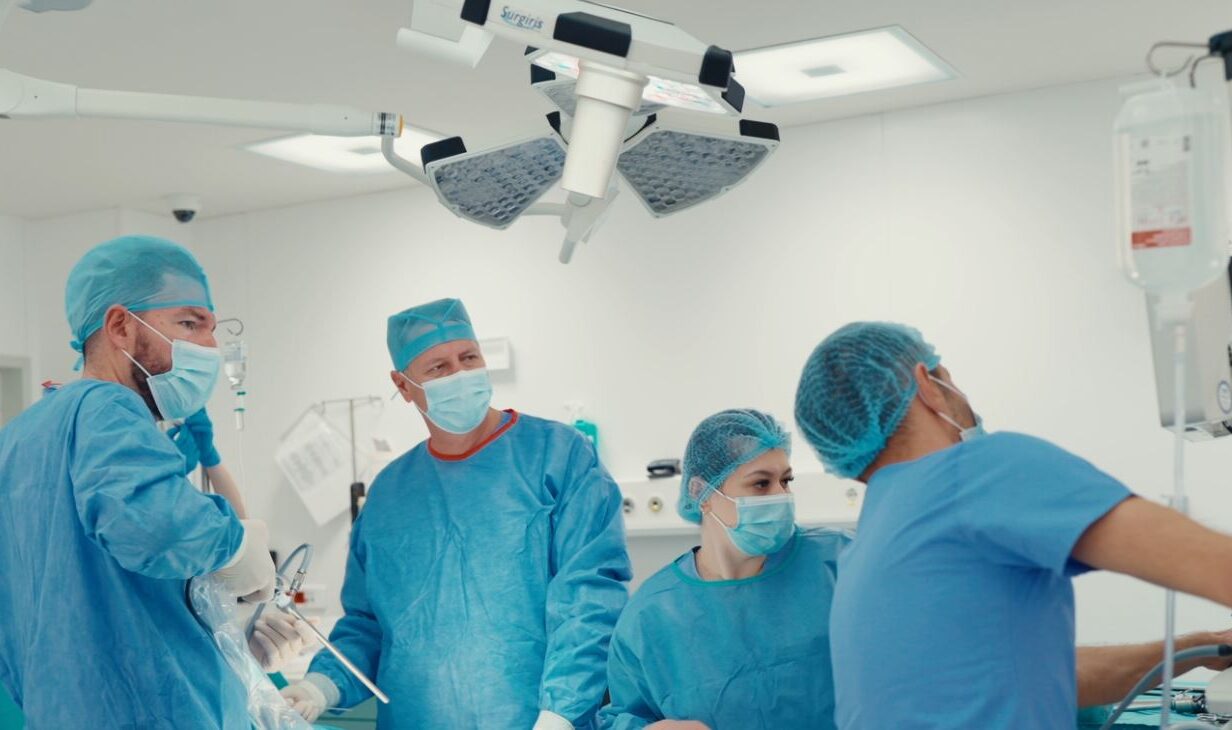
An innovative intervention, known as OFFA (Ovarian Fragmentation for Follicular Activation), carried out for the first time in Romania at Regina Maria Cluj Hospital by the team coordinated by Prof. Dr. Romeo Micu, brings a real chance to women with severely diminished ovarian reserve or premature ovarian insufficiency — diagnoses that drastically limit the options of having a biological child. The procedure applied in only a few centers in the world “aims to recruit remaining follicles, which cannot be recruited spontaneously to be stimulated later,” explained Prof. Dr. Romeo Micu, head of the Obstetrics-Gynecology section and Coordinator of the Cluj Fertility Center, located at the Regina Maria Cluj Hospital. “We are concerned with implementing the newest techniques and procedures available at the European level in the field of assisted reproduction, this bringing with it the maintenance of the status of the leader in the field of Fertility Center Cluj”, said the doctor.
Premature ovarian insufficiency (IOP), also called primary ovarian insufficiency or, popularly, early menopause, is a condition defined by the dysfunction of the ovaries before the age of 40. This means that the ovaries stop working normally, that is, they stop producing adequate levels of estrogen and stop releasing eggs regularly much earlier than they would normally, around the age of 51, the average age of menopause. The ovaries no longer produce enough estrogen and may have fewer eggs or the eggs do not develop normally.
Premature ovarian failure has an incidence of approximately 1% in patients aged up to 40 years and 0.1% up to 30 years. Complications of IOP include infertility, although sometimes ovulations can be intermittent and there is a small chance of natural pregnancy.
“I wanted to try everything possible with my own eggs”
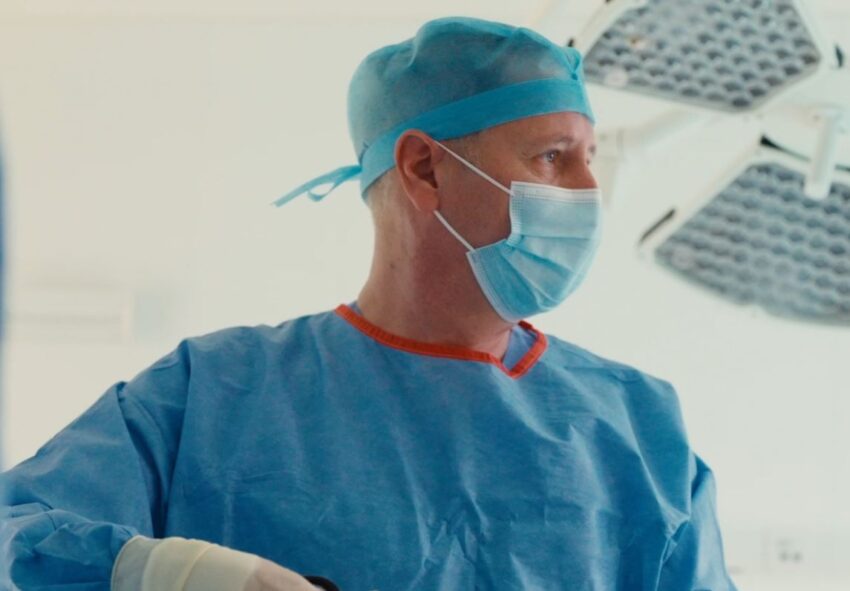
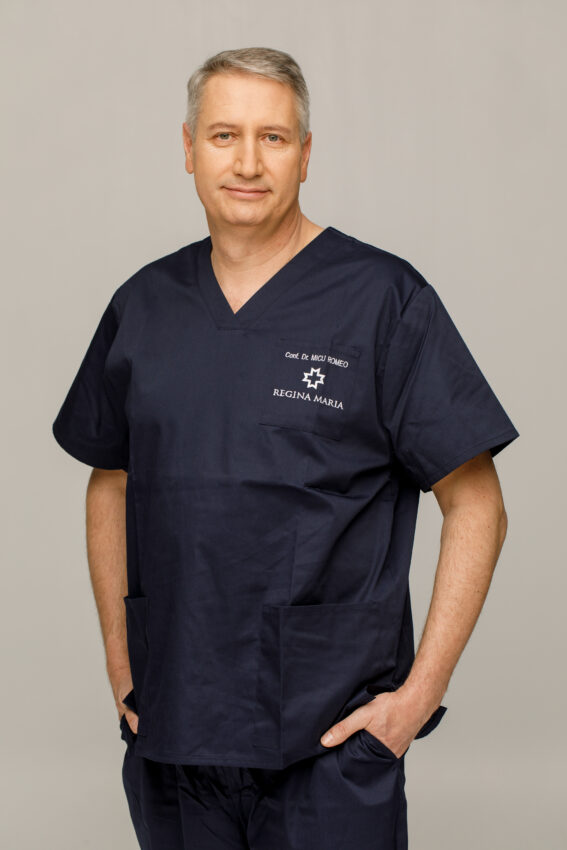
Prof. Dr. Romeo Micu, one of the most experienced specialists in infertility, performed this procedure for the first time in our country on a woman with premature ovarian failure. Worldwide, only 200 such interventions have been performed, and in Romania Prof. Dr. Micu, the head of the Obstetrics-Gynecology section, is the one who performed the first intervention of this type on a young woman in full investigation and treatment.
She had received the news that she had reduced ovarian reserve “a few years ago, not much, but enough to affect the natural functioning of the ovary,” as the woman who consulted several specialists in the country said. The proposed solutions turned to donated oocytes, an option the woman was not ready to accept.
“Dr. Micu was the only one who proposed this option as an alternative to donated oocytes, one that would give me a better chance of having a child with my own oocytes,” the woman, who was facing a severe diagnosis, told us.
“The patient's diagnosis was premature ovarian failure, and in this case the production of oocytes, spontaneously or with conventional stimulation, does not work,” explained Prof. Dr. Romeo Micu.
“We're not rejuvenating the ovaries. We're recruiting follicles that otherwise can't be activated”
The OFFA procedure is an intervention that is performed before ovarian stimulation for IVF. “It involves harvesting a fragment of the ovarian cortex laparoscopically, fragmenting it and then transplanting the fragments into the contralateral ovary. It is not an ovarian stimulation method,” the doctor emphasized, adding that OFFA is followed by an ovarian stimulation time interval.
The younger the patient, the better the quality of the remaining follicles, i.e. the oocytes, so the chances of obtaining a high-quality embryo are higher.
“The method is aimed at patients who fail to produce follicles in the context of previous stimulations or if the analyzes indicate the diagnosis of premature ovarian insufficiency and do not want to use donated oocytes”, stated Prof. Micu.
“Being the first is not a bad thing. As long as you trust the doctor”
Learning the news that she will be the first patient in Romania to go through this procedure did not scare the young woman, who had great faith in the doctor and his team and left herself in the hands of the specialists from Cluj. “Being the first doesn't mean it's bad. As long as you trust the doctor, you don't have to be afraid. I understood that I was the first, but I didn't have thoughts that would make me back down. In my case, this procedure was more effective, that's why I decided to go with this method,” the patient confessed to us.
The intervention was carried out by Prof. Dr. Romeo Micu, together with the team of the Regina Maria Cluj Hospital made up of: Dr. Sergiu Pătcaș – Obstetrics-Gynecology primary physician, Dr. Miron Țigănaș, ATI specialist and nurses Lavinia Kubra Tuncal and Elena Anutei.
“Collaboration with colleagues in the team was, as always, exceptional, each of them knowing very well what they have to do in the case of endoscopic interventions,” the doctor stated.
The laparoscopic intervention lasted according to the protocol, the patient was discharged the next day, and the recovery was fast: “After a week I felt like before the operation. Only the resumption of sports was gradual,” said the young woman.
As a recent intervention, the woman is in the post-operative phase with monitoring and treatment, so the results on ovarian activity cannot yet be assessed: “It depends on how the body reacts to the treatment. There is no exact timetable.”
“For patients with a very low reserve, any extra oocyte is a gain”
The success rate of the procedure is related to obtaining follicles or oocytes following the intervention. The procedure is a new technique first performed about 5 years ago, so data and observations about it are still being published in the literature.
“We cannot appreciate how much the oocyte count increases after OFFA. For patients with very low reserve, any extra oocyte is a gain. At the moment, the latest publication that centralizes the data published in the specialized literature regarding OFFA until March 2025, shows that 6 studies were conducted with 187 patients with premature ovarian failure and 4 studies with 65 patients with diminished ovarian reserve. The results are variable — between 18% and 83% of patients obtained oocytes after the intervention,” said the doctor.
The authors of the studies say that large randomized researches are needed to validate the effectiveness, but “the data we have so far show us that it is a promising method that deserves to be taken into account”, the doctor from Cluj believes. Prof. Micu warns that the technique does not change the basic biological reality: “the method does not influence the quality of the oocytes, only their number.”
A new beginning for women who want to become mothers
For the patient from Romania who opened a new path in the treatment of infertility, hope can be seen in the next period, when treatments and ovarian stimulation will show whether the procedure has achieved its goal.
“As long as you have confidence and follow your goal, you don't have to be afraid. Every woman feels her own way. I just think that if you really want it, you have to have faith and try,” admitted the woman, who passionately wants to become a mother using her own eggs.
“Every couple wants their biological child, and the oocyte donation solution is not always easy to accept. For these couples, we have new procedures at hand, such as OFFA or ovarian PRP. Fertility Center Regina Maria Cluj has been performing ovarian PRP procedures for years, and from now on we can also offer the OFFA procedure to patients who have an indication. We are open to collaboration with other centers in the country to facilitate patients' access to the most modern techniques in the field,” said Prof. Dr. Romeo Micu.
Article endorsed by Queen Mary