Nicotine sachets, a growing trend in Romania among teenagers. What risks do they have for their health?

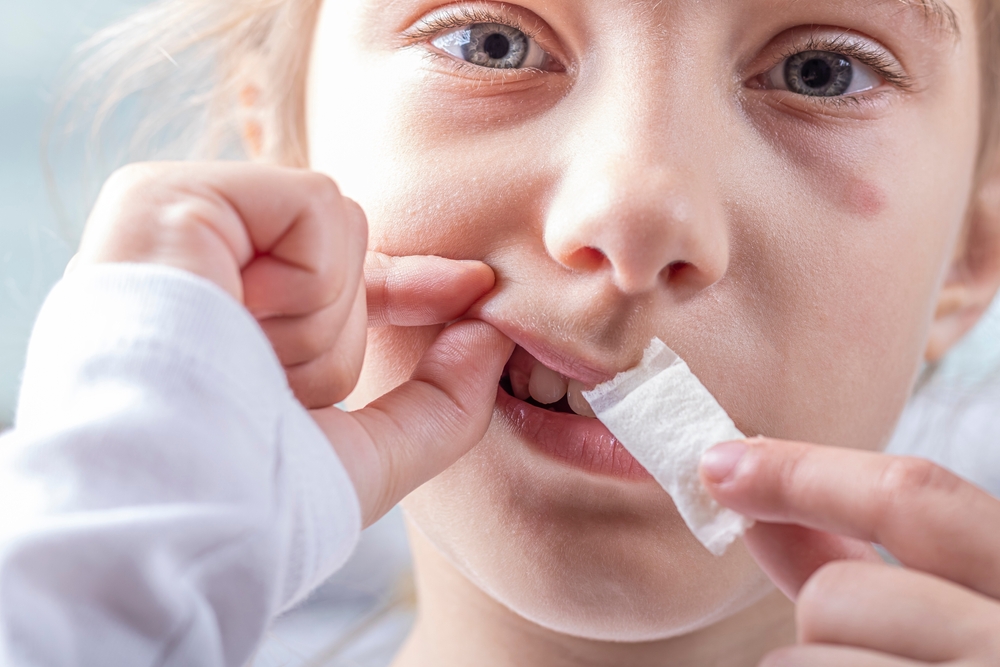
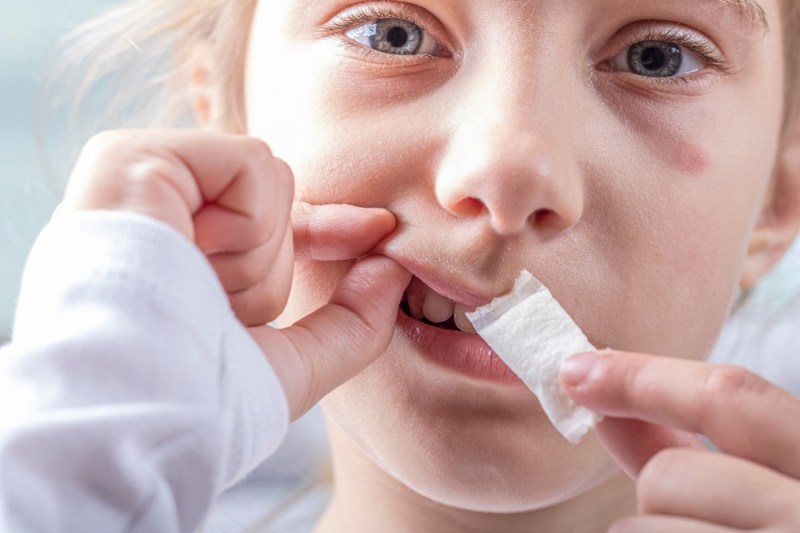
Nicotine sachets are smokeless products that release nicotine through the buccal mucosa when placed under the upper/lower lip. They do not contain classic tobacco, but may contain pure nicotine, flavors and other ingredients/Photo: Shutterstock
Nicotine sachets are advertised as “discreet” and smoke-free products, but recent data shows they are becoming increasingly popular among teenagers in particular. At the same time, only a part of parents manage to recognize or understand the real risks of nicotine on teenagers. What are these products, why do they appeal to young people and what parents can do to prevent consumption.
Although not as visible as e-cigarettes or traditional cigarettes, nicotine patches (nicotine pouches) have begun to capture the attention of teenagers and young adults – and not just as an alternative to smoking. In Romania, the topic began to appear in public discussions about nicotine consumption among young people and the risk that this habit may evolve into addiction. In addition, sales and marketing of these products are increasing in Europe and overseas, and scientific studies in 2025 include data on their use in young people.
What are nicotine patches and why they are not harmless
Nicotine sachets are small, smokeless products that release nicotine through the buccal mucosa when placed under the upper/lower lip. They do not contain classic tobacco, but may contain pure nicotine, flavors and other ingredients. Although they are seen as a “safer” alternative to smoking, because they do not produce smoke or vapor, they are not without risk and are not approved as therapeutic products for smoking cessation.
“The difference between these sachets and chewing gum or nicotine pills is given by the concentration and excipients – that is, by those substances that are added to nicotine to increase its absorption. In the case of medicines, these ingredients are tested, in the case of sachets, they are not. We do not know if, over time, they will not lead to the development of lesions in the oral cavity, nor do we know the concentration of nicotine”, explains pulmonologist Magdalena Ciobanu.
There are several popular and flavored brands on the market that can easily be mistaken for harmless products or even “drops”, which increases their appeal to young people. Although they do not contain classic tobacco, in Romania, nicotine sachets were regulated in 2024 and are legally included alongside nicotine products, being subject to the same restrictions as tobacco and vaping products.
A discreet product that most parents don't know about
Nicotine sachets can easily go unnoticed even by parents who think they are aware of the risks of e-cigarettes or vaping. This very discretion is one of the characteristics that make them attractive to teenagers and difficult to identify for adults.
A 2024 survey by The Ohio State University Comprehensive Cancer Center – Arthur G. James Hospital and Richard J. Solove Research Institute (OSUCCC – James) clearly shows this difference in perception. According to the research, only 25% of adults say they could recognize a nicotine packet if they saw one, although most are aware that nicotine is an addictive substance.
The survey data shows an important discrepancy: almost 70% of adults agree that using nicotine patches can lead to addiction, but very few feel able to actually identify the product. In other words, the risk is recognized at a theoretical level, but the product itself remains “invisible” to many parents.
What parents can do: Conversation, boundaries and real support
If you discover that your teen or pre-teen is using nicotine patches, the first important thing is to avoid impulsive reactions. Using a substance doesn't automatically mean addiction, and how a parent reacts can make the difference between occasional behavior and one that builds up.
Specialists point out that in many cases, a calm and clear conversation with a trusted adult can be enough for a young person to quit. However, there are also situations in which adolescents need more support, including counseling or specialized help, especially if nicotine use becomes repetitive or associated with stress, anxiety or social pressure.