Defense of NATO's eastern flank. Allies are preparing a robotic, troop-free zone on the border with Russia and Belarus

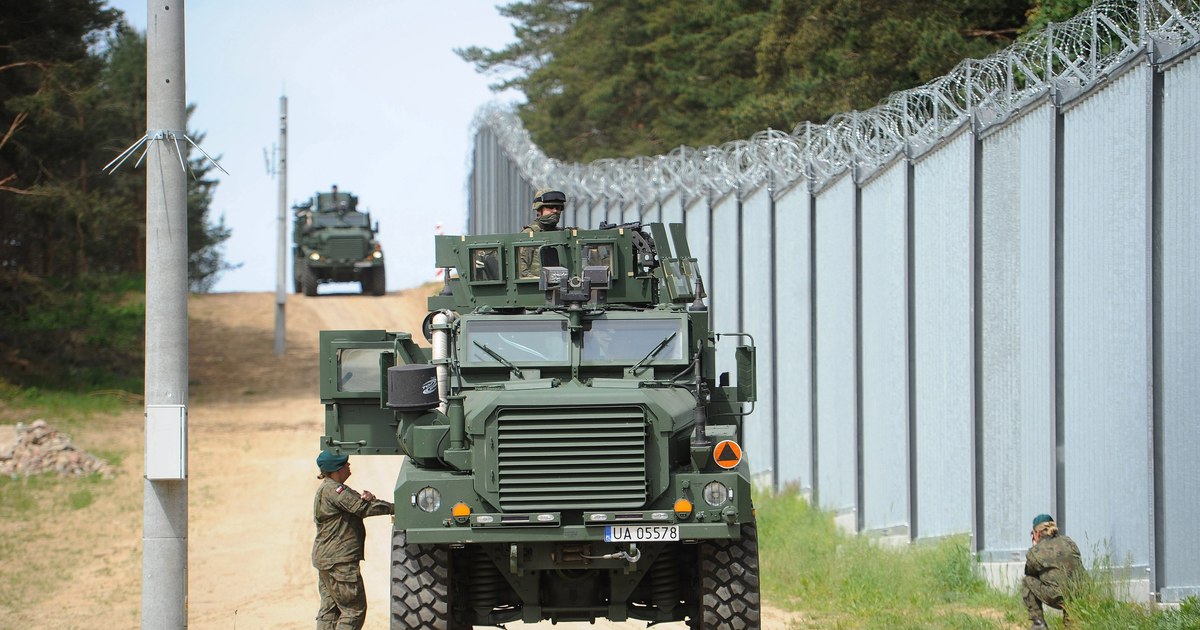
NATO plans to implement, over the next two years, a large-scale rearmament process on the Alliance's eastern flank, on the borders with Russia and Belarus, which will include the significant addition of weapons stocks and the creation of an automated, largely unmanned defense zone.
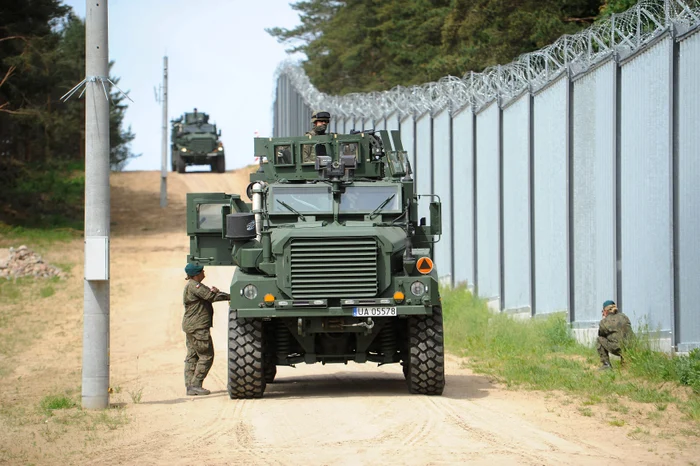
Poland's border with Belarus/FOTO:X
The information was confirmed by German Brigadier General Thomas Löwin, from the Bundeswehr, in an interview given to the Welt am Sonntag publication. Löwin is the first senior NATO official to speak publicly about the new defense doctrine, called the Eastern Flank Deterrence Line (EFDL).
According to the general, the plan could be implemented, depending on available resources, by the end of 2027. “We will see significantly larger stockpiles of weapons than before in NATO states bordering Russia,” said Löwin, who serves as deputy chief of staff for operations at NATO's Izmir Land Command.
These stocks will include, among other things, weapons and ammunition warehouses intended for the rapid rearming of defense systems in an automated area, but also for equipping NATO forces that would intervene in the event of a conflict.
The new strategy aims to build a complex, multi-level defensive system along the borders with Russia and Belarus. “We intend to use not only conventional forces, but also obstacles, sensors and advanced technologies to create a robotic or automated zone on the line of contact with the potential adversary – a zone that the potential adversary will first have to overcome,” explained Löwin.
Sensor-based reconnaissance systems, along with largely automated and robotic weaponry, would play a critical role in the initial phase of a possible attack, with the aim of slowing or halting the advance of Russian forces while reducing risks to Alliance militaries. According to the NATO official, that area will be mainly free of troops.
The announcement is part of a wider context of strengthening European defensive capabilities. In October, the European Commission presented member states with a broad plan to strengthen defences, which includes measures to counter threats posed by drones and other risks from the air, sea and space.
The European Union is also considering the formation of a “drone alliance” with Ukraine, a project that could become operational as early as 2026. In parallel, Poland has announced that it intends to start developing a national anti-drone system, without waiting for the implementation of the European initiative known as the “drone wall”.
All these steps reflect a clear paradigm shift in Europe's security architecture, against the backdrop of the increasingly heightened perception of a long-term threat from Russia.